Narendra Modi Urges ‘Team India’ Approach, Calls on CMs to Secure Supplies Amid Gulf Crisis
‘Team India’ Approach Key as PM Modi Urges States to Secure Supplies Amid Gulf Crisis
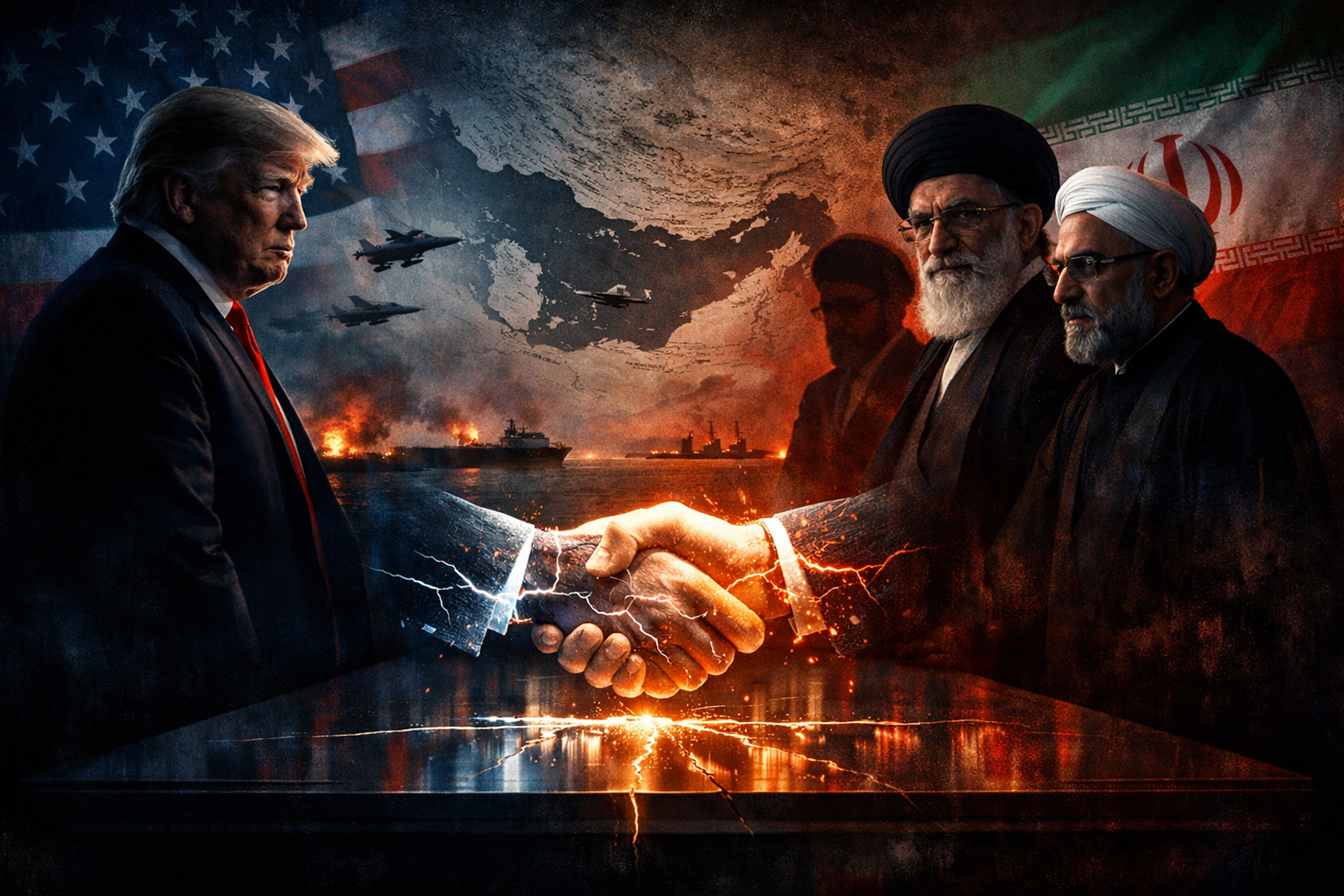
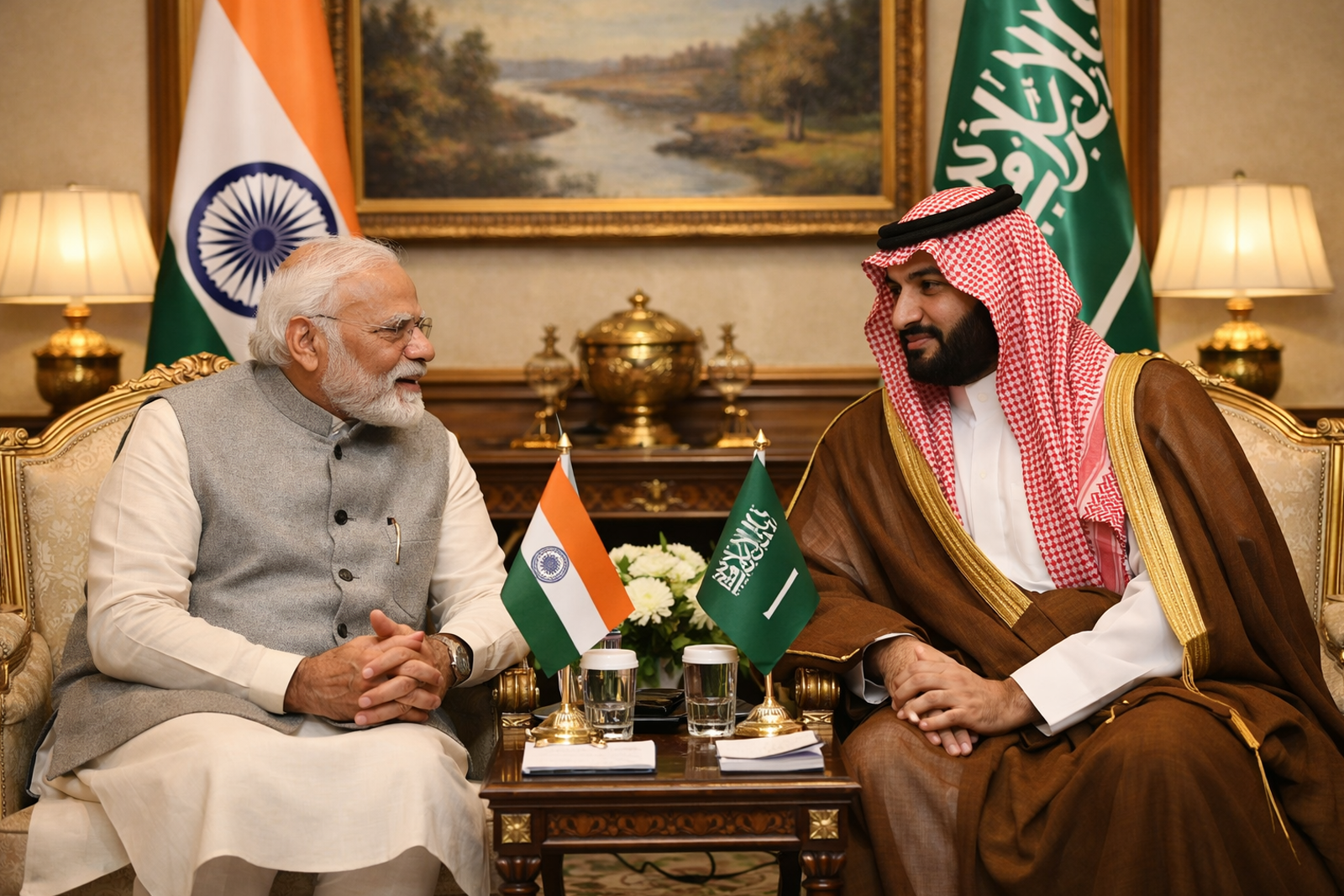
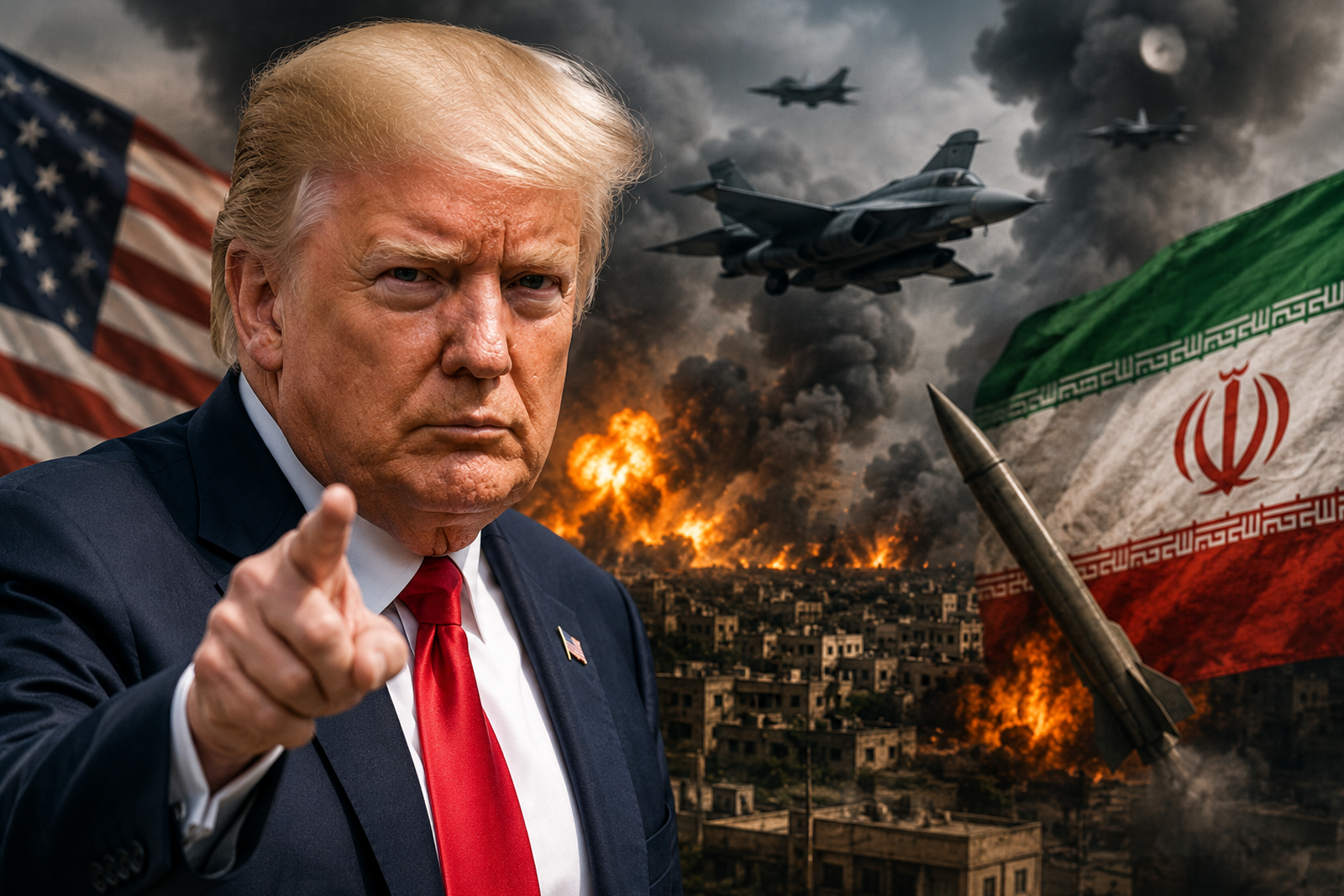
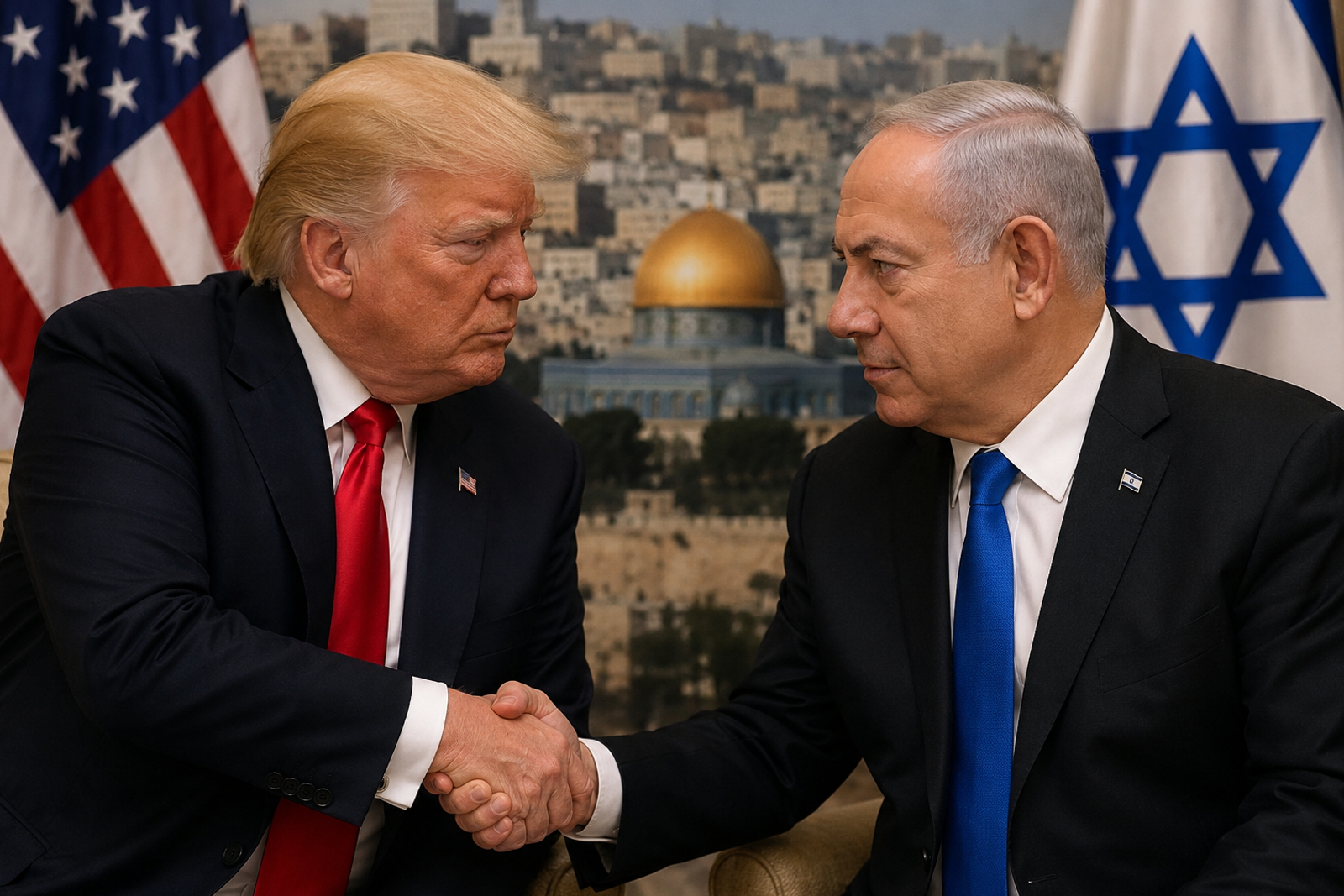
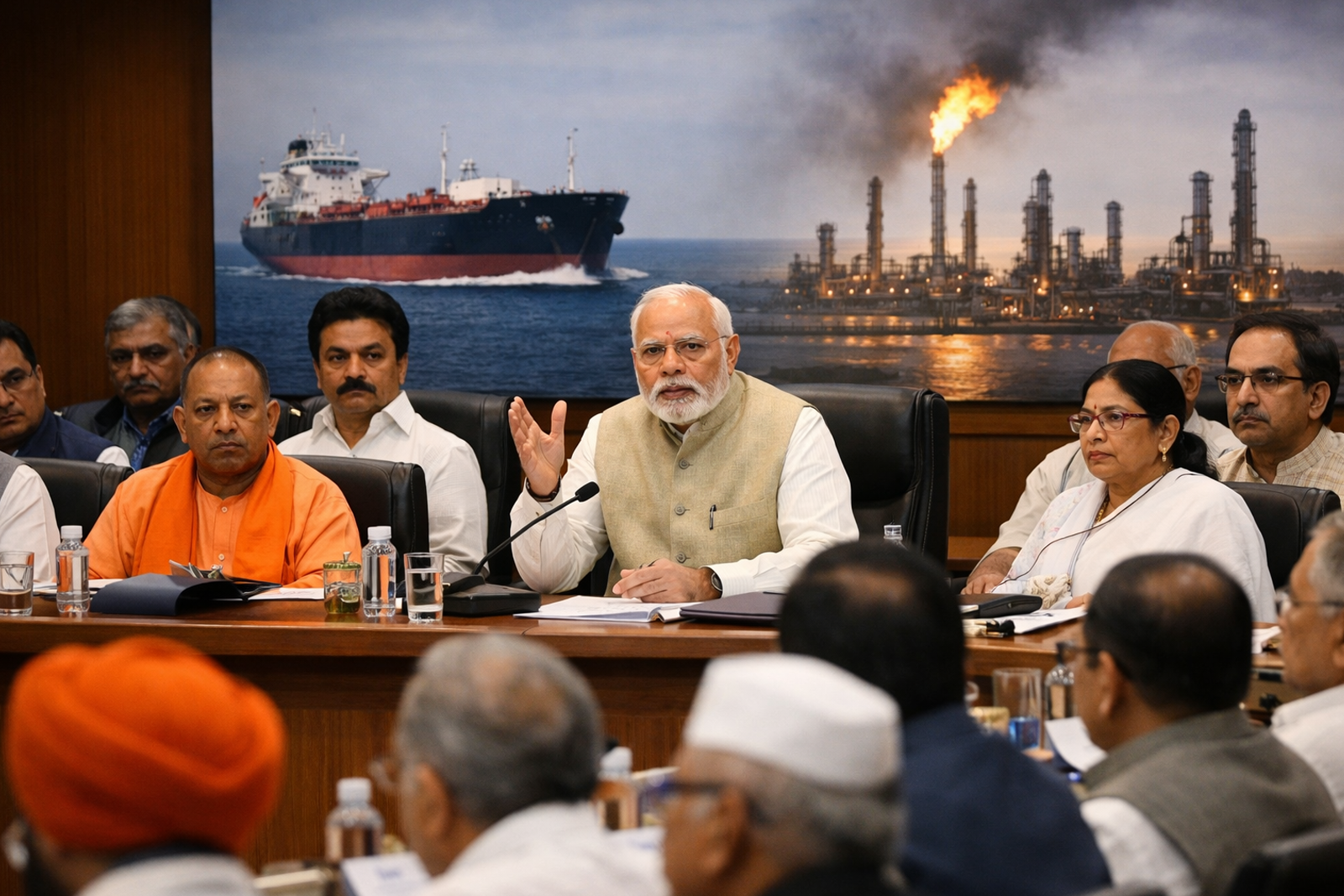
Amid growing uncertainty in the Gulf region, Narendra Modi has called on Chief Ministers across the country to work in close coordination to safeguard essential supply chains. Stressing the importance of unity, the Prime Minister emphasized a “Team India” approach to ensure that citizens do not face shortages or disruptions during the evolving geopolitical situation.
The Gulf region plays a crucial role in India’s energy security and trade, making the situation particularly sensitive for both the central and state governments. In his communication, Modi urged states to closely monitor the availability of critical commodities such as fuel, food items, and fertilizers. He highlighted the need for proactive planning, efficient logistics, and real-time coordination between agencies to avoid panic and maintain stability in local markets.
Officials have been advised to review emergency response mechanisms and strengthen distribution networks, especially in regions that may be more vulnerable to supply fluctuations. The Prime Minister also encouraged states to keep the public informed with accurate updates to prevent misinformation and unnecessary hoarding.
This coordinated effort comes at a time when global supply chains are already under pressure due to ongoing geopolitical shifts. By promoting collaboration between the Centre and states, the government aims to build resilience and ensure that India remains prepared for any potential challenges arising from the Gulf crisis.
The message underscores a broader strategy of cooperative governance, where both levels of administration act in sync to protect national interests. As the situation unfolds, the focus remains firmly on preparedness, stability, and the well-being of citizens across the country.

PM Modi Calls for ‘Team India’ Strategy to Tackle Gulf Crisis, Focus on Supply Security and Coordination
As geopolitical tensions intensify in the Gulf region, Narendra Modi has issued a strong call for unity and preparedness, urging Chief Ministers to function as a cohesive “Team India.” The directive comes amid concerns that disruptions in the Gulf could affect India’s energy supplies, trade routes, and overall economic stability. The Prime Minister’s message underscores the importance of coordinated governance to ensure that essential commodities remain available and accessible to citizens across the country.
India’s deep economic and strategic ties with Gulf nations make the situation particularly significant. A large portion of the country’s crude oil and natural gas imports originates from this region, and any instability could have ripple effects on fuel prices, transportation, and inflation. Recognizing these risks, the Centre has moved swiftly to engage states in a unified response strategy.
Why the Gulf Crisis Matters for India
The Gulf region serves as a lifeline for India’s energy requirements and international trade. Any escalation in tensions could disrupt shipping lanes, delay imports, and increase costs.
Key concerns include:
-
Heavy dependence on Gulf nations for crude oil and LNG
-
Potential disruptions in maritime trade routes
-
Impact on Indian expatriates living and working in the region
-
Rising global fuel prices affecting domestic markets
Given these factors, both the central and state governments are expected to remain on high alert and take preventive measures.
Focus on Essential Supply Chains
A major highlight of the Prime Minister’s directive is ensuring uninterrupted supply of essential goods. From fuel to food grains, states have been asked to monitor stocks closely and prevent any artificial shortages.
Priority areas identified:
-
Fuel availability at petrol pumps and storage facilities
-
Distribution of food grains through public systems
-
Availability of fertilizers for the agricultural sector
-
Smooth transportation and logistics operations
States are also encouraged to coordinate with private stakeholders and suppliers to avoid bottlenecks and maintain steady distribution channels.
Strengthening Centre-State Coordination
The concept of “Team India” emphasizes seamless coordination between the Union government and state administrations. Narendra Modi highlighted that collective action is essential in times of global uncertainty.
Steps to enhance coordination:
-
Regular review meetings between Centre and states
-
Sharing real-time data on supply and demand
-
Rapid response systems for emerging shortages
-
Joint decision-making to tackle emergencies
This approach ensures that no state is left isolated in dealing with challenges, promoting a sense of shared responsibility.
Preventing Panic and Misinformation
Another critical aspect of the strategy is maintaining public confidence. The government is aware that misinformation or rumors can lead to panic buying and hoarding, which may worsen the situation.
Measures suggested:
-
Timely and transparent communication with citizens
-
Strict action against hoarding and black marketing
-
Monitoring of market trends to detect irregularities
-
Public awareness campaigns to discourage panic
Authorities have been advised to ensure that accurate information reaches the public quickly to maintain order and trust.
Preparedness for Economic Impact
Beyond immediate supply concerns, the Gulf crisis could also influence India’s broader economic outlook. Rising oil prices can increase transportation costs, affect industries, and put pressure on household budgets.
Economic preparedness includes:
-
Reviewing price stabilization mechanisms
-
Exploring alternative supply sources if needed
-
Managing inflation through policy interventions
-
Supporting vulnerable sectors impacted by cost increases
The government’s proactive stance aims to cushion the economy from external shocks while maintaining growth momentum.
Role of States in Crisis Management
Chief Ministers play a crucial role in implementing policies at the ground level. The Prime Minister has emphasized that states must take ownership of local challenges and respond swiftly.
Responsibilities of states:
-
Ensuring fair distribution of essential commodities
-
Strengthening local storage and supply networks
-
Coordinating with district administrations
-
Keeping law and order under control
This decentralized approach allows for quicker and more effective responses tailored to regional needs.
A Unified National Response
The call for a “Team India” approach reflects a broader philosophy of cooperative federalism. By aligning the efforts of all states and the Centre, the government aims to build a resilient system capable of handling global uncertainties.
Narendra Modi’s message serves as a reminder that national challenges require collective action. The emphasis is not only on addressing immediate concerns but also on strengthening long-term preparedness.
As the situation in the Gulf continues to evolve, India’s focus remains on safeguarding its citizens, securing essential supplies, and maintaining economic stability. Through coordinated planning and decisive action, the country aims to navigate the crisis effectively while minimizing its impact on everyday life.

Soojin DasJournalist
Soojin Das is a dedicated journalist with a strong focus on public affairs, governance, and grassroots reporting. With a passion for uncovering stories that matter, she brings clarity, accuracy, and depth to complex issues shaping communities across India. Her reporting spans politics, social development, education, and local civic concerns, giving readers a balanced and well-researched perspective.
Known for her sharp news sense and ethical approach to journalism, Anita combines on-ground reporting with data-driven analysis and compelling storytelling. She has covered major policy announcements, elections, disaster response efforts, and community-led initiatives, ensuring that audiences receive timely and trustworthy information.
Anita believes journalism plays a vital role in strengthening democracy and amplifying under-represented voices. Through interviews, investigative pieces, and human-interest stories, she aims to inform, engage, and empower readers.
When not in the field, she closely follows media innovation and digital storytelling trends, continually refining her craft to meet the evolving needs of modern newsrooms.