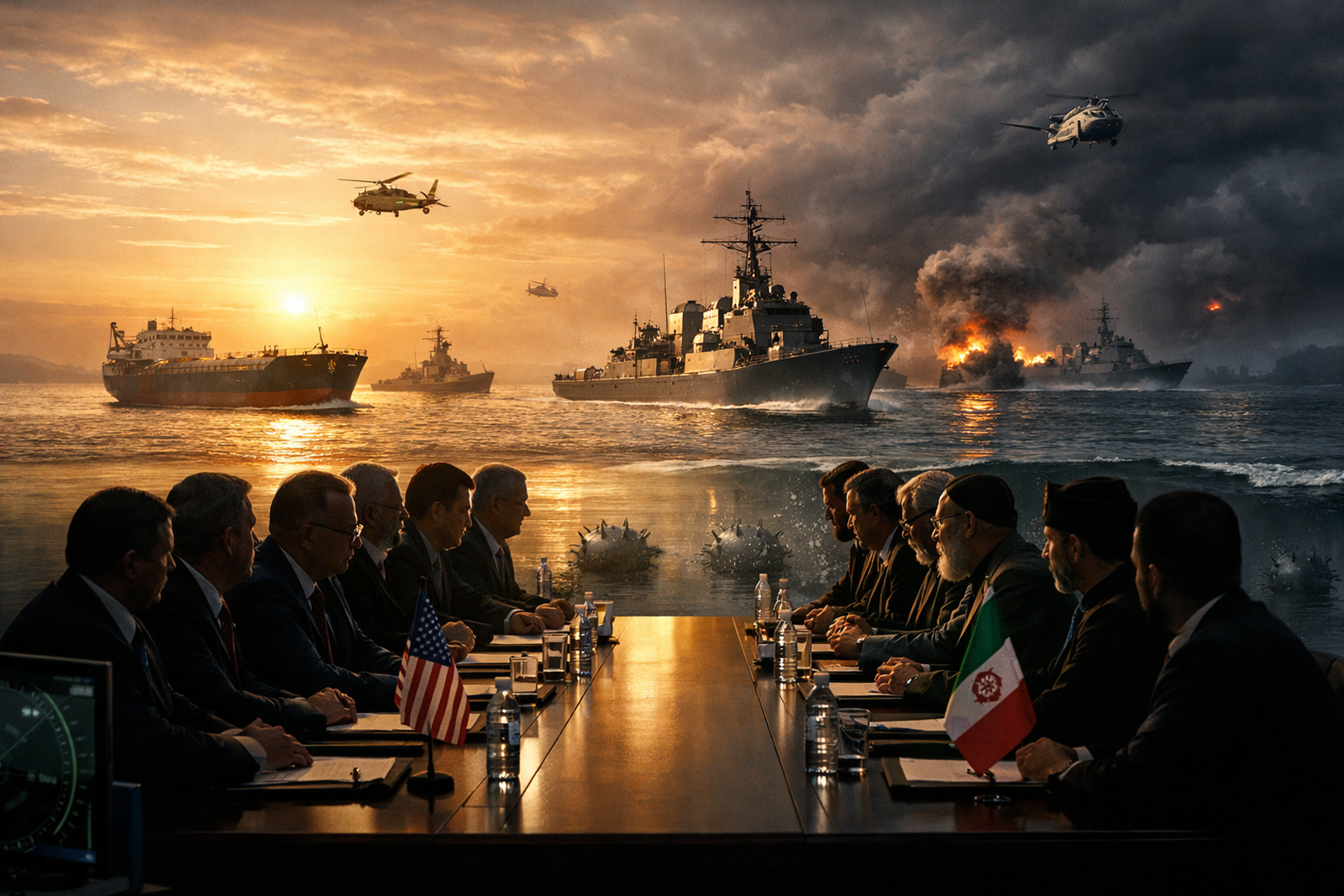
Rising Tensions as Trump Issues Stark Warning to Iran
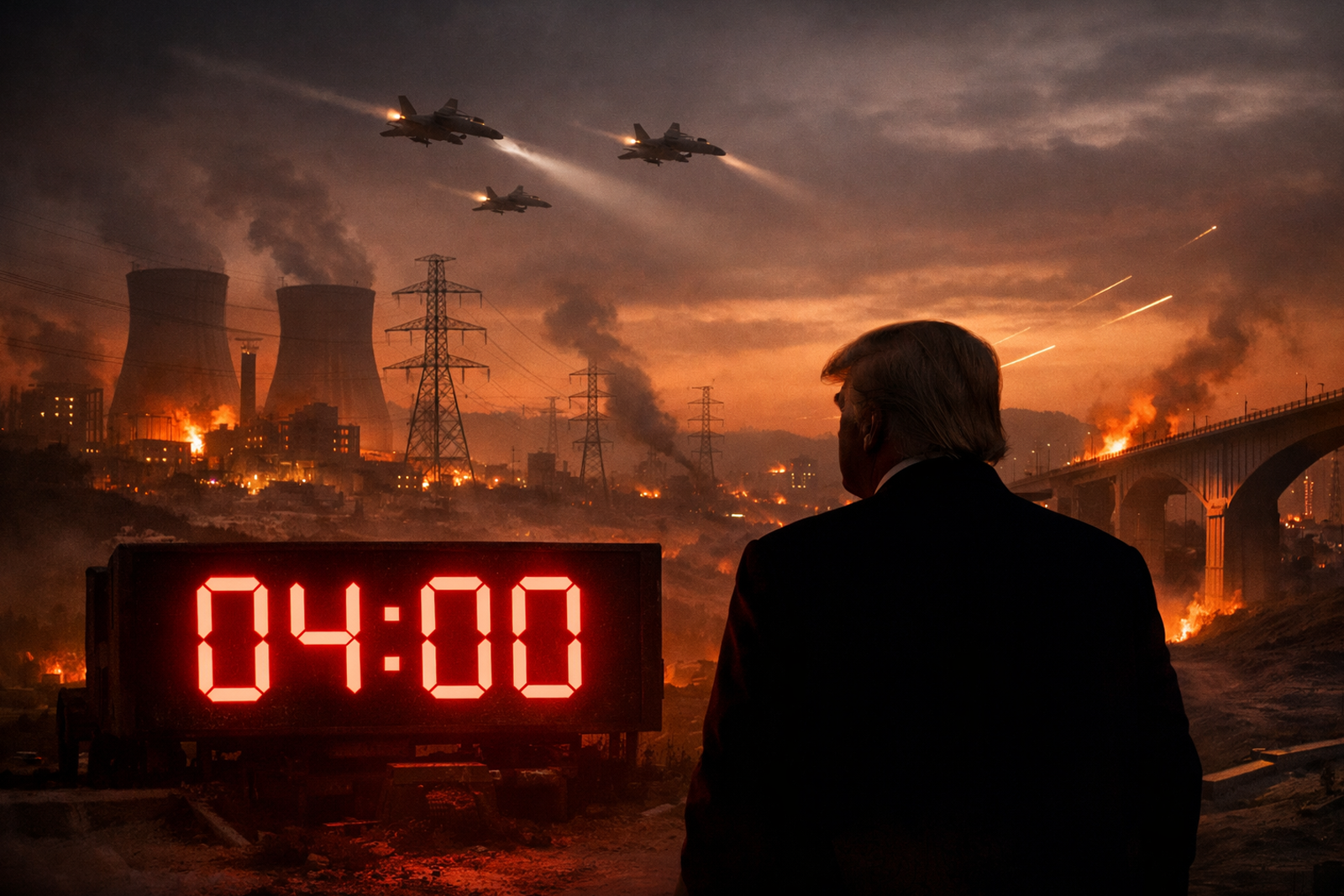
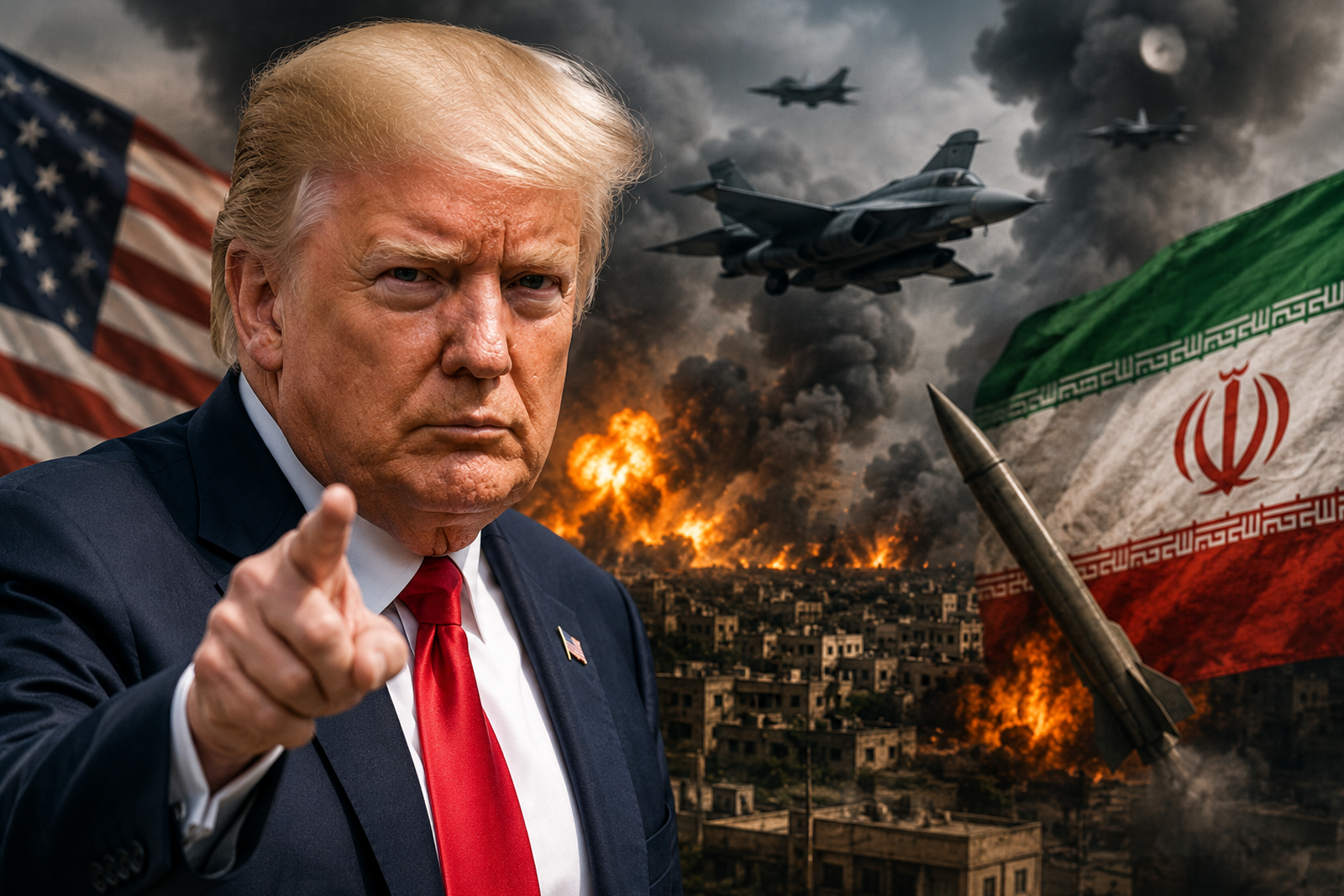
The geopolitical climate in the Middle East has taken a sharp turn after former U.S. President Donald Trump delivered a strong warning aimed at Iran, signaling the possibility of swift and severe military action. In a statement that has quickly drawn global attention, Trump indicated that key Iranian infrastructure—including bridges and power facilities—could be targeted within hours if diplomatic negotiations fail to produce results.
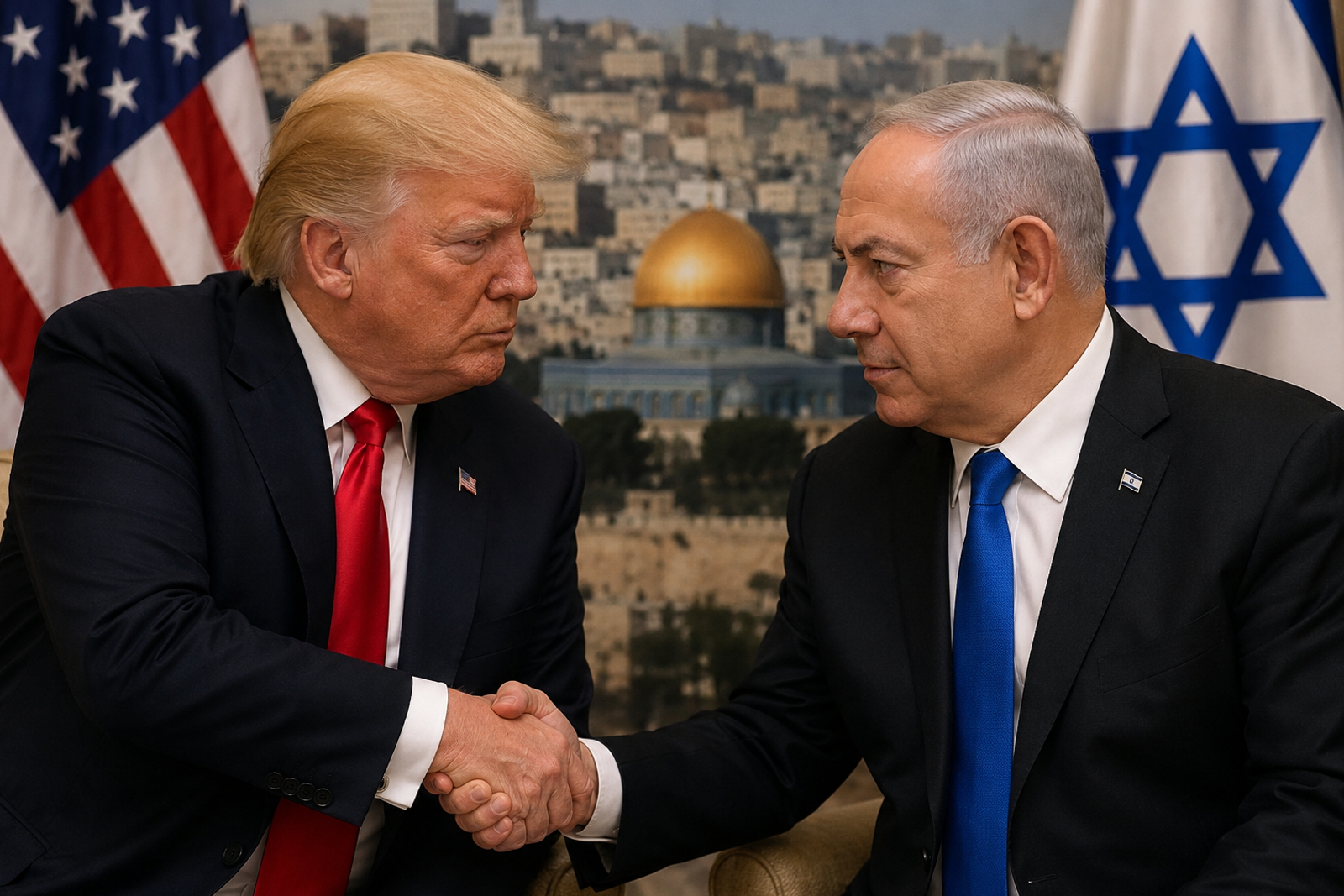
This development comes at a time when relations between Iran and Israel are already strained, with both sides engaged in a cycle of threats and strategic posturing. Trump’s remarks have added a new layer of urgency to the situation, raising concerns about the potential for rapid escalation into a broader conflict that could impact the entire region.
International observers have expressed alarm over the intensity of the rhetoric, noting that such statements could further complicate ongoing diplomatic efforts. Many fear that any sudden military move could disrupt global oil supplies, trigger economic instability, and deepen existing divisions among world powers.
Meanwhile, calls for restraint have grown louder from various quarters, with leaders urging all parties to prioritize dialogue over confrontation. Analysts believe that while the warning may be intended to pressure Iran into negotiations, it also carries significant risks if misinterpreted or acted upon too quickly.
As the situation continues to evolve, the world watches closely, aware that decisions made in the coming hours could have far-reaching consequences. The focus now remains on whether diplomacy can prevail or if the region is heading toward another dangerous chapter of conflict.
Crisis Point in the Middle East: High-Stakes Warning Intensifies Global Anxiety
A fresh wave of geopolitical tension has gripped the international community after Donald Trump issued a sharp and time-bound warning to Iran, threatening to strike critical infrastructure if a deal is not reached quickly. The statement arrives at a moment when relations between Iran and Israel are already under severe strain, pushing the region closer to a potentially dangerous turning point.
The tone and urgency of the warning have drawn immediate global attention, with experts highlighting the risks of rapid escalation. Unlike routine diplomatic pressure, this message suggests immediate consequences, raising fears about how quickly the situation could spiral into open conflict.
Key Developments and Core Issues
1. Escalation Through Strong Rhetoric
The language used in the warning reflects a significant shift toward aggressive posturing. Such rhetoric often aims to apply maximum pressure but can also provoke strong counter-reactions, making the situation more unpredictable.
2. Focus on Critical Infrastructure
By specifically mentioning bridges and power systems, the threat underscores a strategy aimed at weakening civilian and economic stability. These targets are essential for everyday functioning, and any disruption could have long-lasting effects on the population.
3. Increasing Regional Fragility
The Middle East has been witnessing layered tensions, including proxy conflicts and strategic rivalries. The current situation adds another dimension, increasing the risk of overlapping crises that are harder to contain.
4. Heightened Military Readiness
While no official action has been taken, such warnings often lead to increased alert levels among armed forces in the region. This can create a tense atmosphere where even minor incidents might trigger larger confrontations.
Broader Implications for the Region
The implications of this situation extend far beyond immediate political tensions. Iran’s geographic and strategic importance makes it a central player in regional stability. Any disruption could influence neighboring countries and affect key trade and energy routes.
Israel’s role in the equation further complicates matters. As a nation with significant security concerns regarding Iran, any escalation could draw it directly into a broader confrontation. This interconnected dynamic makes the situation highly sensitive and difficult to manage.
Potential Outcomes if the Crisis Deepens
• Rapid Military Confrontation
If diplomacy fails, the possibility of swift military action cannot be ruled out. Given the short timeline mentioned, decisions may be made quickly, leaving little room for de-escalation.
• Chain Reaction Across the Region
An attack on Iran could trigger responses from allied groups and regional actors, potentially expanding the conflict zone. This could involve multiple countries and non-state actors.
• Disruption of Global Energy Markets
The Middle East remains a key supplier of oil and gas. Any instability in the region could disrupt supply chains, leading to price volatility and economic stress worldwide.
• Civilian and Humanitarian Challenges
Damage to infrastructure would directly affect civilians, leading to power shortages, transportation issues, and limited access to essential services. Humanitarian agencies may face difficulties in providing aid under such conditions.
International Reactions and Diplomatic Efforts
Global leaders have responded with caution, urging all parties to avoid actions that could escalate tensions further. Diplomatic channels are expected to remain active, with efforts focused on preventing the situation from reaching a breaking point.
Many countries are emphasizing the importance of dialogue, highlighting that aggressive measures could undermine long-term stability. Multilateral discussions may play a crucial role in diffusing the crisis.
Strategic Analysis: Pressure vs. Provocation
From a strategic perspective, the warning can be seen as an attempt to force a quick resolution through pressure. By outlining severe consequences, it aims to push Iran toward compliance in negotiations.
However, such an approach carries inherent risks. Strong threats can be interpreted as provocation, potentially hardening positions rather than encouraging compromise. Iran’s response will be critical in determining whether the situation moves toward negotiation or confrontation.
The Role of Timing in Escalation
Timing is a crucial factor in this scenario. The short window mentioned in the warning reduces the opportunity for diplomatic intervention. This creates a high-pressure environment where decisions must be made بسرعة, increasing the likelihood of missteps.
At the same time, global attention is firmly fixed on the region, which may encourage behind-the-scenes negotiations. Diplomatic efforts often intensify during such high-stakes moments, even if they are not immediately visible.
What to Watch in the Coming Days
• Diplomatic Movements
Any signs of renewed talks or mediation efforts will be closely monitored as indicators of possible de-escalation.
• Military Activity
Increased troop movements or strategic positioning could signal preparation for potential action.
• Official Statements
Responses from Iran and Israel will provide insight into how each side is interpreting the situation.
• Global Market Reactions
Fluctuations in oil prices and stock markets may reflect growing concerns about instability.
Conclusion
The latest developments mark a critical moment in Middle Eastern geopolitics. With tensions already high between Iran and Israel, the introduction of a sharp and immediate warning from Donald Trump has raised the stakes significantly. While the intention may be to push for a swift agreement, the risks associated with such an approach cannot be ignored.
The coming days will be decisive in shaping the outcome. Whether the situation moves toward resolution or escalation will depend on the choices made by key players and the effectiveness of diplomatic efforts. For now, the world remains watchful, aware that even a single miscalculation could have far-reaching consequences.