Operation Sindoor: India Downs 13 Pakistani Aircraft, Strikes 11 Airfields, Says Air Marshal Bharti
Operation Sindoor: India’s Decisive Air Strike Reshapes Regional Security
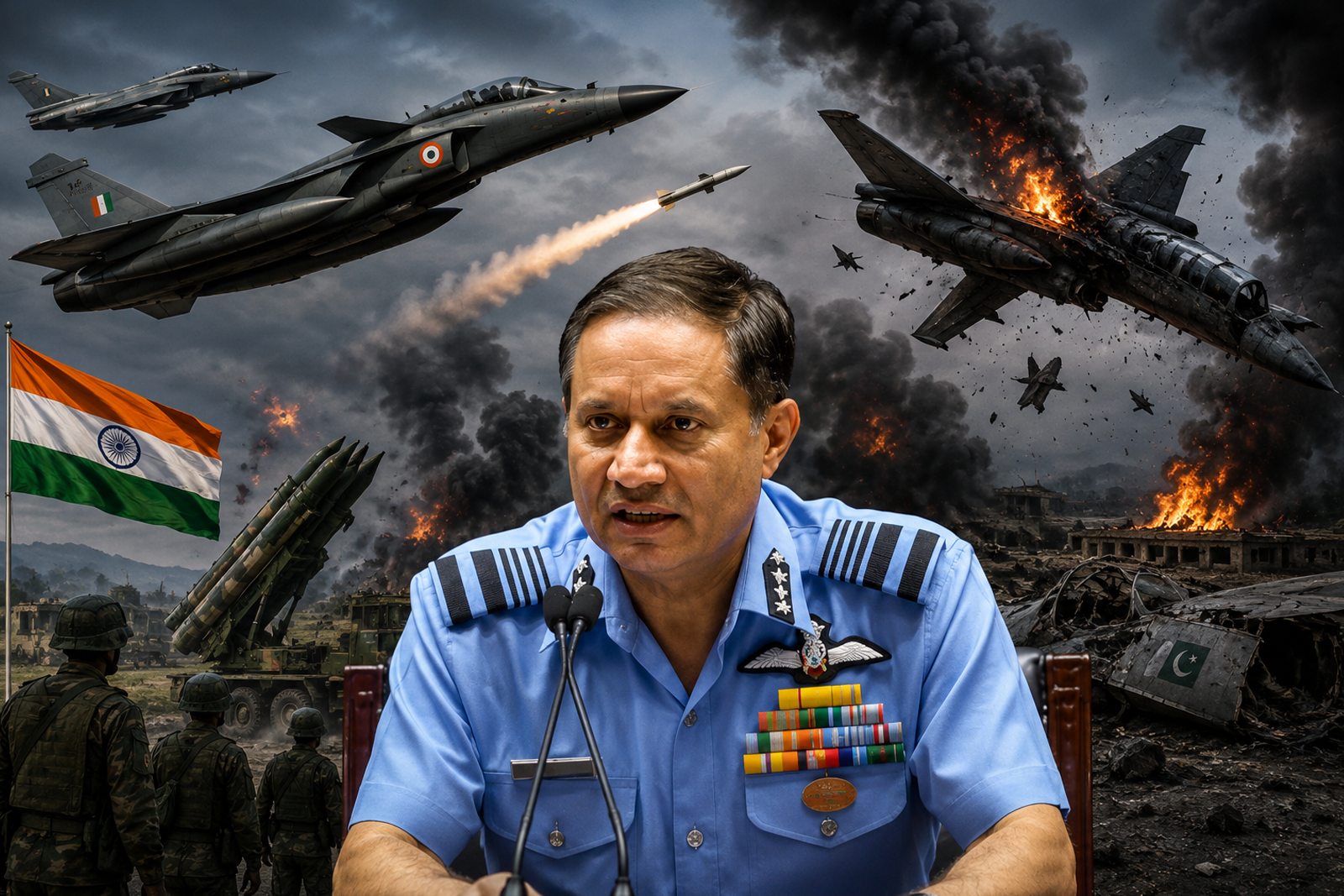
India’s latest military action, dubbed Operation Sindoor, has emerged as a significant development in South Asia’s security landscape. According to Air Marshal Bharti, the operation resulted in the destruction of 13 Pakistani aircraft and targeted 11 critical airfields, marking one of the most assertive air campaigns in recent times. The announcement has drawn widespread attention, not only for its scale but also for its potential geopolitical implications.
Strategic Precision and Military Planning
Operation Sindoor reflects a high level of coordination and precision within India’s armed forces. Military experts suggest that such a large-scale strike would have required detailed intelligence inputs, advanced surveillance systems, and seamless execution. The targeting of airfields indicates a strategic intent to weaken aerial response capabilities, thereby gaining temporary air superiority in a conflict scenario.
Impact on Regional Stability
While official responses from Pakistan are awaited or remain measured, the scale of the reported damage could trigger diplomatic as well as military reactions. Analysts warn that such developments may lead to heightened alert levels along borders and increased global scrutiny of the region.
International Reactions and Diplomatic Angle
Global powers are closely monitoring the situation, emphasizing the need for restraint and dialogue. Historically, any escalation between India and Pakistan has drawn international concern due to its potential to disrupt regional and global stability. Operation Sindoor is likely to become a focal point in diplomatic discussions in the coming days, with calls for de-escalation expected from multiple quarters.
A Message of Strength
From India’s perspective, the operation signals a strong stance on national security and a willingness to respond decisively to perceived threats. It reinforces the country’s evolving defense doctrine, which increasingly prioritizes proactive measures and rapid response capabilities.
What Lies Ahead
As more details emerge, Operation Sindoor could redefine military engagement strategies in the region. The coming days will be crucial in determining whether the situation stabilizes through diplomatic channels or escalates further. For now, the operation stands as a powerful demonstration of military capability and strategic intent, leaving a lasting impact on the region’s security dynamics.

Operation Sindoor: A Turning Point in India’s Air Power Strategy
India’s announcement of Operation Sindoor has sent shockwaves across the strategic and geopolitical landscape of South Asia. As confirmed by Air Marshal Bharti, the operation reportedly led to the destruction of 13 Pakistani aircraft and targeted 11 key airfields. This development is being viewed as one of the most assertive demonstrations of air power in recent years, highlighting India’s evolving military doctrine and preparedness in handling high-stakes security challenges.
Background: Rising Tensions and Strategic Context
The roots of Operation Sindoor lie in the long-standing tensions between India and Pakistan. Decades of mistrust, border disputes, and intermittent military confrontations have shaped a volatile relationship. In recent times, increasing security concerns and cross-border threats have pushed India to adopt a more proactive defense posture.
Operation Sindoor appears to be a calculated response within this broader context. Rather than a spontaneous action, it reflects a pre-planned strategy designed to neutralize perceived threats and send a clear signal of deterrence.
Key Highlights of Operation Sindoor
-
Large-Scale Air Engagement: The operation reportedly involved coordinated air strikes that led to the destruction of 13 Pakistani aircraft.
-
Targeting of Airfields: Eleven airbases were identified and struck, aiming to disrupt operational readiness and limit aerial retaliation.
-
Precision and Timing: The mission is believed to have been executed with high accuracy, minimizing collateral damage while maximizing strategic impact.
-
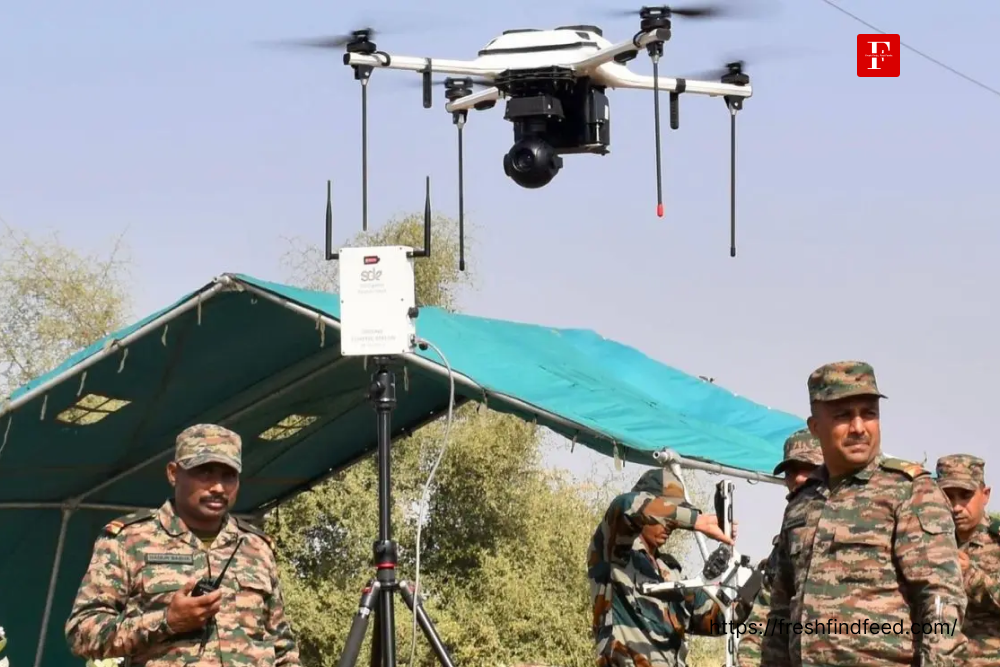
Use of Advanced Technology: Though official details remain limited, experts believe modern surveillance systems, drones, and precision-guided munitions played a key role.
Military Significance and Tactical Advantage
Operation Sindoor underlines a shift in India’s military thinking—from reactive defense to proactive engagement. By targeting airfields, India appears to have aimed at weakening Pakistan’s ability to launch counter-operations quickly.
This type of strategy focuses on achieving air superiority, a crucial factor in modern warfare. Control of the skies allows greater flexibility in both offensive and defensive operations, providing a decisive edge in conflict situations.
Additionally, the reported scale of the operation demonstrates improved coordination between intelligence agencies and the armed forces. Such synchronization is essential for executing complex missions with minimal risk.
Regional Security Implications
The impact of Operation Sindoor extends beyond immediate military outcomes. South Asia is one of the most sensitive regions in the world due to the presence of nuclear-armed neighbors. Any escalation carries significant risks, not only for the countries involved but also for global stability.
-
Heightened Border Tensions: Military alertness along the borders is likely to increase, with both sides remaining vigilant.
-
Risk of Escalation: Even limited military actions can trigger a chain reaction, potentially leading to broader conflict.
-
Strategic Signaling: The operation sends a message about India’s readiness to act decisively, which could influence future engagements.
Diplomatic Reactions and Global Attention
The international community is expected to respond with caution and concern. Historically, conflicts between India and Pakistan have attracted global attention, with major powers urging restraint and dialogue.
Countries with strategic interests in the region may push for diplomatic engagement to prevent further escalation.
Operation Sindoor may also influence defense partnerships and alliances, as nations observe India’s military capabilities and strategic intent.
Technological Edge in Modern Warfare
One of the defining aspects of modern military operations is the integration of advanced technology. Operation Sindoor likely showcased India’s growing capabilities in this domain.
-
Surveillance and Reconnaissance:Real-time intelligence gathering helps in identifying high-value targets.
-
Precision Weaponry:Advanced missiles and guided bombs enable accurate strikes with minimal unintended damage.
-
Electronic Warfare:Disrupting enemy communication and radar systems can significantly weaken defense mechanisms.
Such capabilities not only enhance operational success but also reduce risks for personnel involved in combat missions.
Public Perception and National Sentiment
Within India, the operation is likely to be seen as a demonstration of strength and resolve. Public sentiment often leans toward supporting decisive actions that reinforce national security.
At the same time, there may also be discussions around the risks associated with escalation and the importance of maintaining diplomatic channels. Balancing assertiveness with restraint remains a key challenge for policymakers.
Challenges and Risks Ahead
While Operation Sindoor highlights military capability, it also brings several challenges:
-
Potential Retaliation:Any military action can provoke a counter-response, increasing the risk of prolonged conflict.
-
Diplomatic Strain:Relations between the two nations may face further deterioration.
-
Economic Impact:Heightened tensions can affect trade, investment, and overall economic stability in the region.
-
Global Pressure:International stakeholders may push for de-escalation, influencing future decisions.
What the Future Holds
The long-term impact of Operation Sindoor will depend on how both India and Pakistan navigate the aftermath. If managed carefully, it could reinforce deterrence and prevent future conflicts. However, missteps or miscalculations could lead to further instability.
Experts suggest that sustained diplomatic engagement, confidence-building measures, and open communication channels are essential to maintaining peace. Military strength, while important, must be complemented by strategic diplomacy to ensure lasting stability.
Conclusion: A Defining Moment in Regional Dynamics
Operation Sindoor stands as a significant moment in South Asia’s security narrative. It reflects India’s evolving defense strategy, characterized by precision, preparedness, and assertiveness.
As the situation develops, the focus will remain on whether this operation leads to deterrence or escalation. The coming weeks will be critical in shaping the future trajectory of India-Pakistan relations, with the world watching closely.

Shivani NayakJournalist
Shivani Nayak is an emerging journalist committed to delivering accurate, timely, and impactful stories for a fast-growing digital news platform. With a keen interest in politics, public policy, and community reporting, she focuses on issues that directly affect everyday life. Her work reflects a strong belief in responsible journalism, transparency, and fact-based reporting.
She brings a modern, digital-first approach to news coverage, blending field reporting with multimedia storytelling to reach audiences across platforms. From breaking developments to in-depth explainers and human-interest features, Anita strives to present news in a clear, accessible manner while maintaining editorial integrity.
Driven by curiosity and a deep sense of social responsibility, she actively engages with sources at the grassroots level, ensuring diverse voices are represented. She is particularly interested in governance, education reform, infrastructure development, and civic affairs.
Through her reporting, Anita aims to build trust with readers and contribute to a culture of informed public dialogue. As part of a new portal, she looks forward to growing alongside the publication and helping shape its journalistic identity in the digital age.