Trump’s ‘Abraham Accord Plus’ Pushes for Historic Israel-Iran Reset Across Islamic World
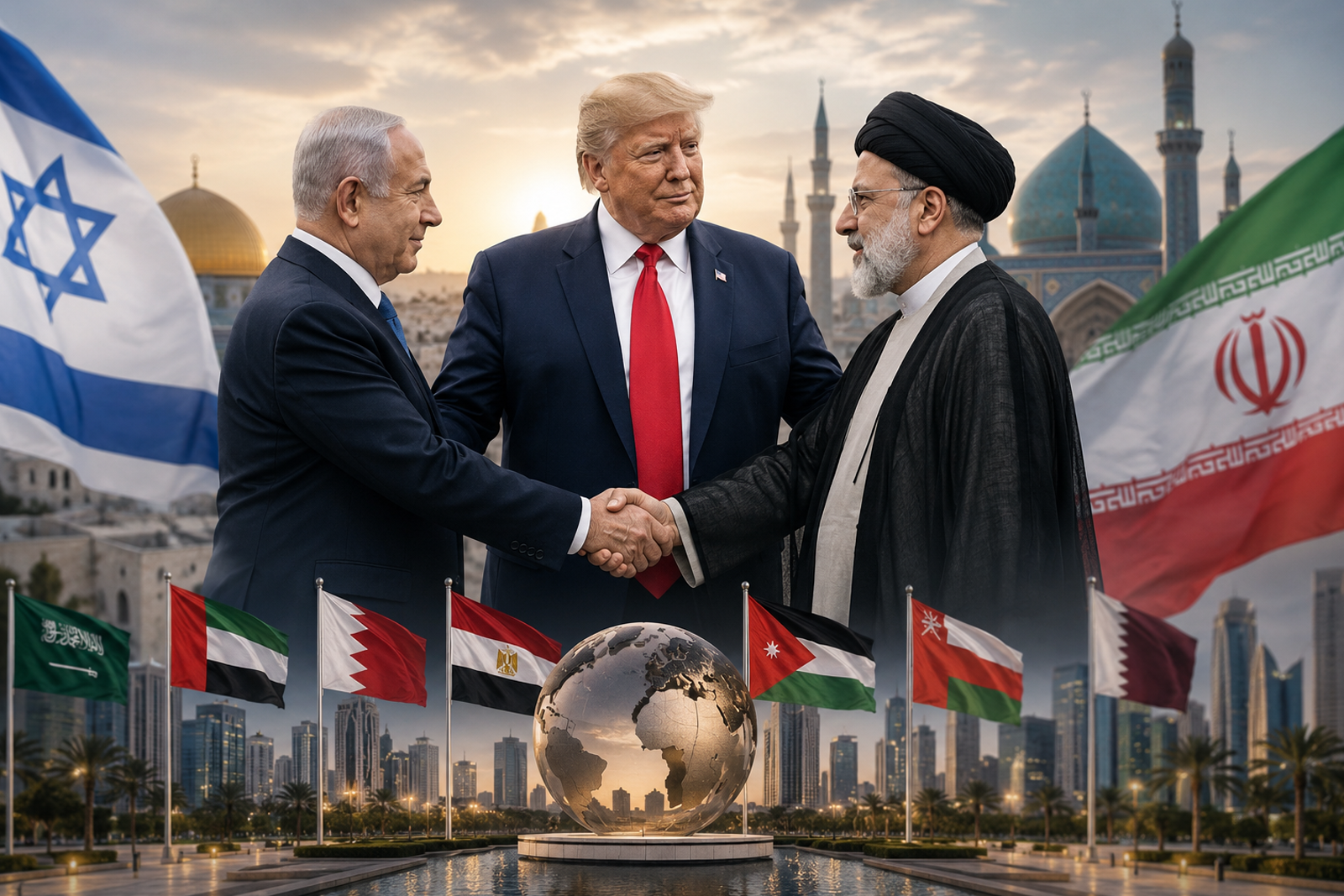
Trump’s Abraham Accord Plus: A New Diplomatic Gamble in the Middle East
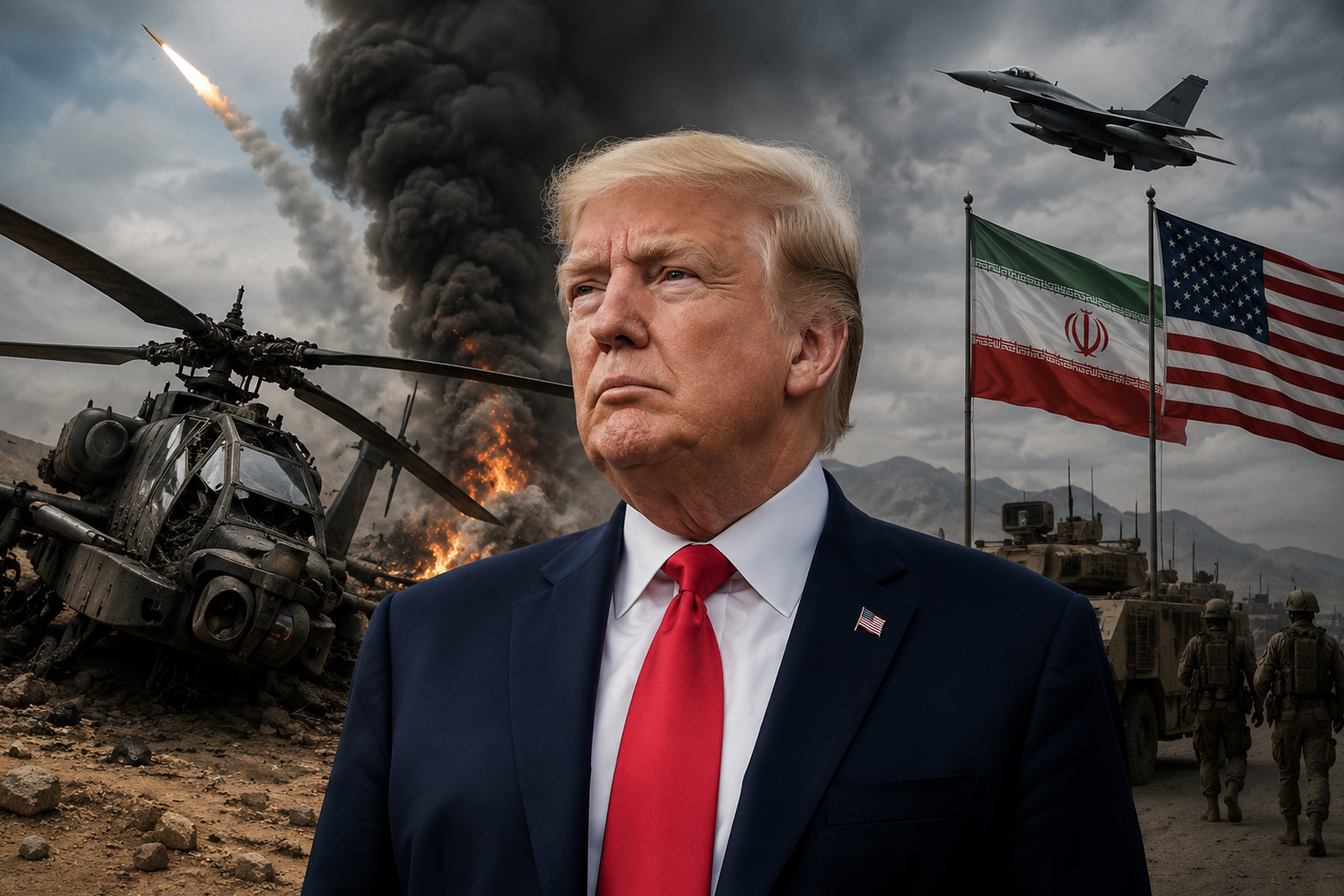
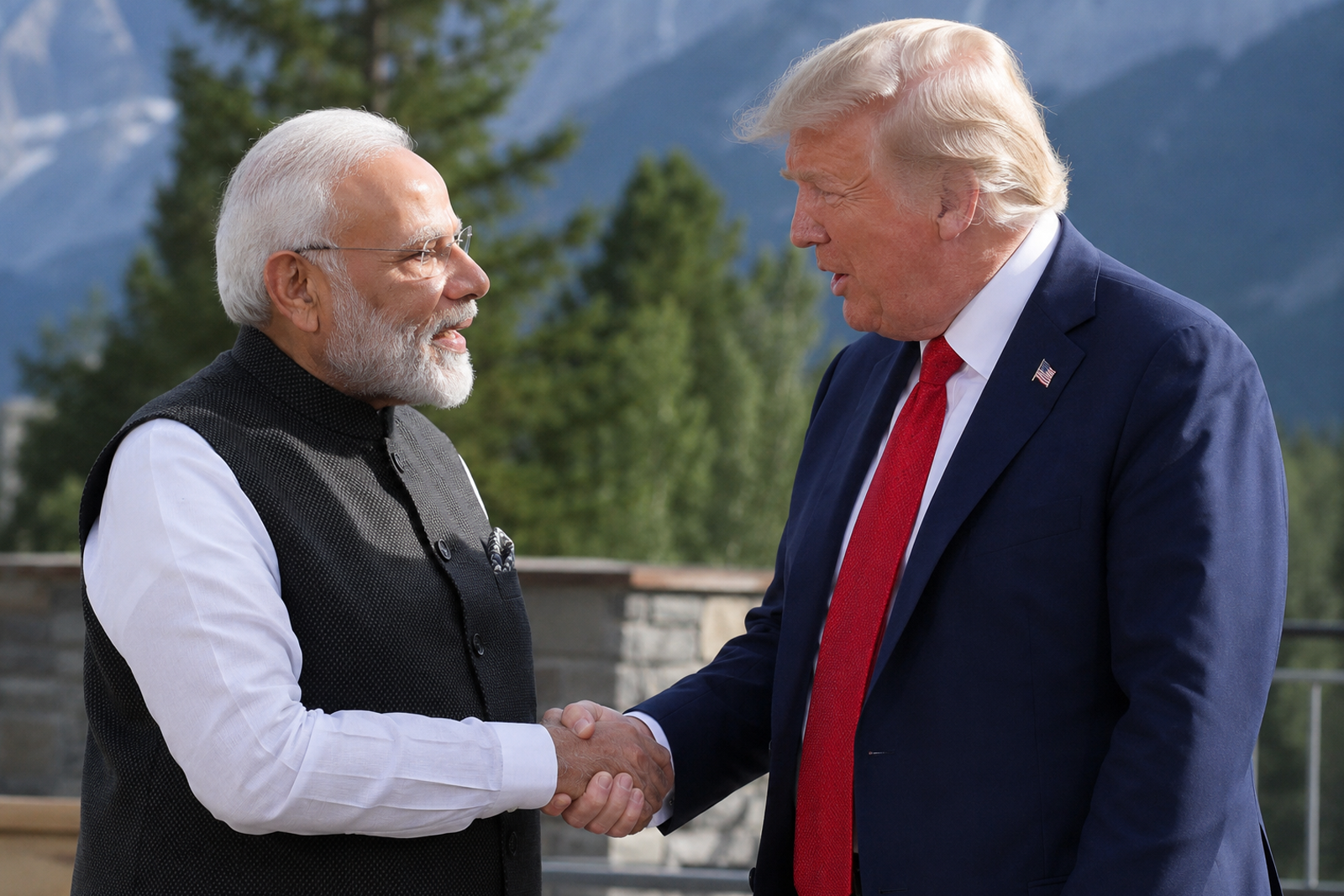
The possibility of a broader peace framework connecting Israel with major Islamic nations — and even longtime rival Iran — has once again placed former US President Donald Trump at the center of global diplomacy. Reports surrounding the proposed “Abraham Accord Plus” suggest an expanded vision that goes beyond the original normalization agreements signed during Trump’s presidency.
Expanding the Original Abraham Accords
The original Abraham Accords, introduced in 2020, led to diplomatic normalization between Israel and several Arab nations, including the UAE and Bahrain. The new proposal reportedly seeks to widen that framework by encouraging more Islamic countries to engage with Israel through economic partnerships, security cooperation, and regional development initiatives.
What makes this latest effort particularly significant is the possibility of including Iran in broader negotiations. Tehran and Tel Aviv have remained bitter adversaries for decades, often clashing over regional influence, military concerns, and nuclear ambitions. Any attempt to reduce hostility between the two would mark a dramatic shift in Middle Eastern politics.
Why the Timing Matters
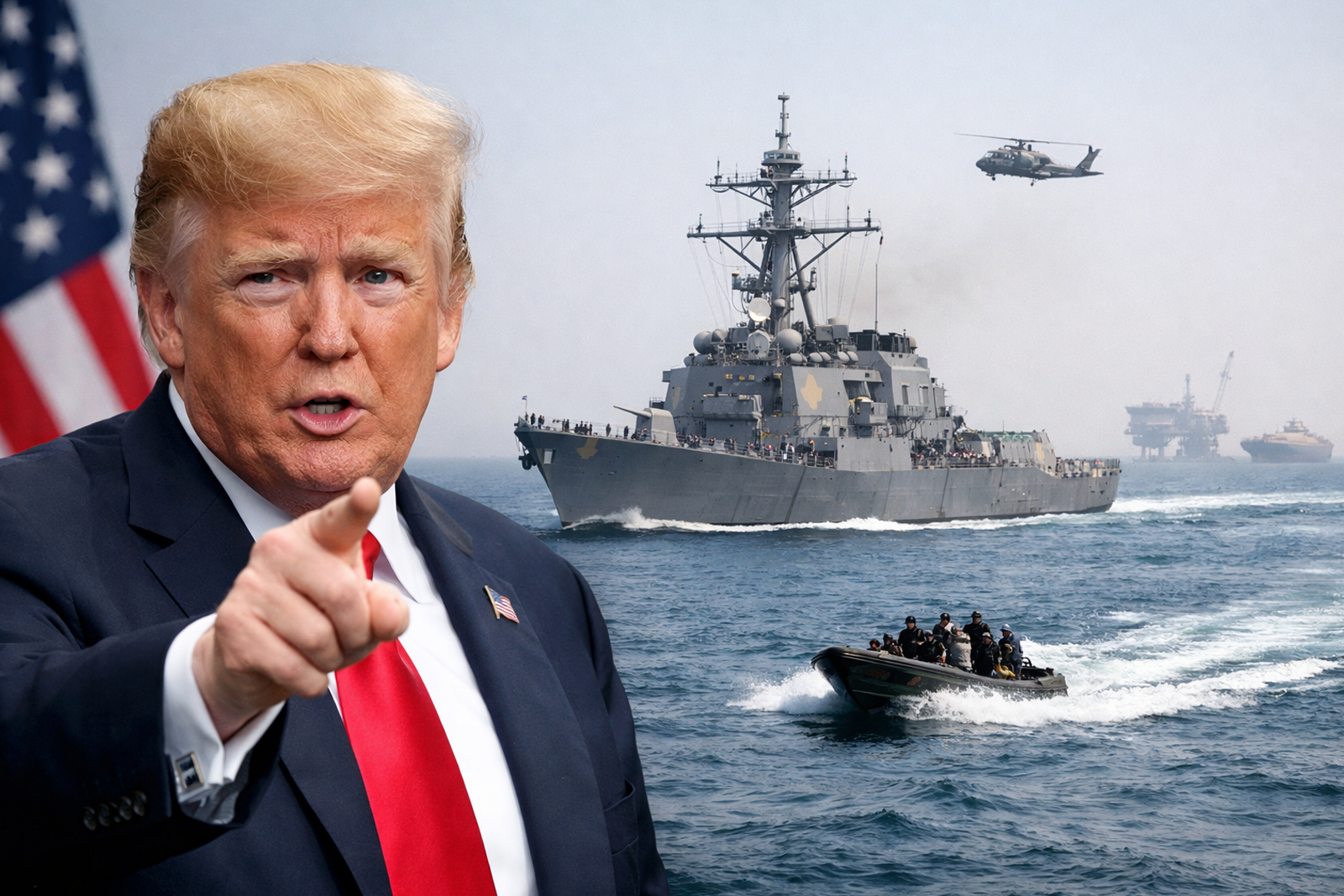
The initiative comes at a time when the Middle East faces growing instability due to conflicts in Gaza, tensions in the Red Sea, and broader power struggles involving regional actors. Diplomats and analysts believe that stronger regional cooperation could help reduce economic uncertainty and improve long-term security.
Trump’s reported strategy appears to focus on creating a “grand bargain” where economic incentives, trade opportunities, and political guarantees encourage nations to move toward dialogue rather than confrontation.
Global Reactions Remain Mixed
Supporters argue that broader diplomatic engagement could open doors for investment, energy cooperation, and reduced military tensions. Critics, however, remain skeptical about whether Iran and Israel can genuinely move toward reconciliation given years of hostility and deep ideological differences.
Several observers also question whether such a complex diplomatic framework can succeed without direct involvement from current global powers and regional leadership.
A High-Stakes Political Vision
Even though details of the proposal remain limited, the idea of an “Abraham Accord Plus” has already sparked international discussion. If pursued seriously, the initiative could redefine alliances across the Islamic world and reshape the future of Middle East diplomacy.
Whether the plan becomes a realistic pathway to peace or remains a political ambition, it highlights the continuing global importance of dialogue, regional partnerships, and strategic negotiation in one of the world’s most sensitive geopolitical regions.

Abraham Accord Plus: Trump’s Vision for a New Middle East Alliance
The Middle East may once again be approaching a major diplomatic turning point as former US President Donald Trump reportedly pushes for an expanded peace framework widely described as the “Abraham Accord Plus.” Unlike the earlier Abraham Accords that focused mainly on normalization between Israel and selected Arab nations, this new strategy aims for something far more ambitious — a regional understanding involving the wider Islamic world, potentially including Iran.
The proposal has generated intense debate among diplomats, analysts, and political leaders because it could alter the balance of power across the Middle East. While many questions remain unanswered, the initiative signals a renewed attempt to reduce decades of hostility through economic cooperation, strategic partnerships, and political negotiation.
Understanding the Original Abraham Accords
The original Abraham Accords were signed in 2020 during Trump’s presidency. The agreements established formal diplomatic relations between Israel and several Arab countries, including the United Arab Emirates, Bahrain, Morocco, and Sudan.
The accords were considered historic because they broke a long-standing regional pattern in which many Arab states refused official ties with Israel until progress was made on the Palestinian issue.
Key Achievements of the Original Accords
-
Opening of embassies and diplomatic missions
-
Expansion of tourism and trade partnerships
-
Growth in technology and defense cooperation
-
Increased business investment between participating nations
-
Improved intelligence-sharing on regional security threats
Supporters claimed the agreements brought economic opportunities and regional stability, while critics argued they failed to address core political conflicts in the region.
What Makes “Abraham Accord Plus” Different
The reported “Abraham Accord Plus” strategy appears designed to move beyond limited normalization agreements and create a broader regional alliance structure.
Instead of focusing only on Arab-Israeli relations, the new concept reportedly seeks to connect Israel with a larger network of Islamic countries through diplomacy, economic integration, and security dialogue.
Major Goals of the New Initiative
1. Broader Regional Engagement
The plan reportedly encourages additional Muslim-majority nations to establish or improve relations with Israel through trade, infrastructure projects, and diplomatic cooperation.
2. Economic Connectivity
Economic development is believed to be one of the core pillars of the proposal. Regional trade corridors, energy partnerships, and technology-sharing arrangements could become central features.
3. Security Cooperation
The Middle East continues to face threats from armed conflicts, extremist groups, cyber warfare, and maritime tensions. A broader alliance could improve intelligence coordination and regional defense planning.
4. Diplomatic Inclusion of Iran
Perhaps the most surprising aspect of the proposal is the suggestion that Iran could eventually become part of wider negotiations. This would represent one of the most dramatic diplomatic shifts in modern Middle Eastern history.
Why Iran’s Inclusion Is So Significant
For decades, Iran and Israel have remained fierce regional rivals. Their tensions have shaped conflicts across the Middle East, influencing wars, proxy battles, and international diplomacy.
Main Sources of Tension Between Iran and Israel
-
Disputes over Iran’s nuclear program
-
Military confrontations through regional proxy groups
-
Competing influence in countries such as Syria and Lebanon
-
Hostile political rhetoric from both sides
-
Security concerns involving missile development and cyber operations
Because of these issues, many analysts believe any direct diplomatic understanding between Iran and Israel would face enormous obstacles.
However, supporters of broader engagement argue that long-term stability cannot be achieved without including major regional powers in negotiations.
Trump’s Strategic Calculation
Trump’s foreign policy approach has often emphasized large-scale diplomatic agreements and unconventional negotiation tactics. The reported “Abraham Accord Plus” initiative appears consistent with that strategy.
Political observers believe the proposal may serve several strategic objectives.
Potential Political and Strategic Benefits
Strengthening America’s Regional Influence
A successful diplomatic framework could allow the United States to maintain influence in the Middle East while reducing the need for prolonged military involvement.
Countering Regional Instability
The Middle East continues to experience instability linked to armed conflicts, economic pressures, and political rivalries. Broader cooperation could help reduce tensions over time.
Expanding Economic Opportunities
A larger regional alliance could increase trade, investment, energy collaboration, and technology partnerships among participating nations.
Creating a Legacy Initiative
Trump has frequently highlighted the original Abraham Accords as one of the signature achievements of his presidency. Expanding the framework could strengthen that legacy further.
Challenges Facing the Proposal
Despite the ambitious vision, the road toward any expanded agreement would be extremely difficult.
Major Obstacles Include
Deep Historical Distrust
Many regional rivalries are rooted in decades of political conflict, religious divisions, and military confrontation.
The Israel-Palestine Conflict
The unresolved Palestinian issue remains a central obstacle in Middle Eastern diplomacy. Several Islamic countries may hesitate to deepen relations with Israel without progress on Palestinian statehood and humanitarian concerns.
Domestic Political Resistance
Political leaders across the region could face internal opposition from groups that reject normalization or distrust diplomatic engagement with traditional rivals.
Military and Security Concerns
Ongoing conflicts involving proxy forces, missile programs, and border disputes continue to complicate efforts toward long-term peace.
International Reactions
Global reactions to the reports surrounding “Abraham Accord Plus” have been mixed.
Supportive Voices
Some analysts believe expanded diplomacy could reduce regional tensions and encourage economic growth. Business communities in several countries have also supported deeper regional integration.
Skeptical Reactions
Critics argue that symbolic agreements alone cannot solve deeply rooted political and security disputes. Others question whether Iran and Israel would genuinely commit to long-term reconciliation efforts.
Several observers also note that successful implementation would likely require active participation from current governments, regional organizations, and international powers.
Economic Opportunities Could Drive Diplomacy
One of the strongest incentives for regional cooperation may be economic necessity.
Many Middle Eastern countries are working to diversify their economies beyond oil dependence. Partnerships involving renewable energy, artificial intelligence, transportation, infrastructure, and tourism could provide major financial benefits.
Potential Economic Areas of Cooperation
-
Cross-border transport corridors
-
Renewable energy investments
-
Technology and cybersecurity partnerships
-
Tourism and aviation agreements
-
Agricultural innovation projects
-
Maritime trade development
Economic partnerships often create long-term incentives for political stability, making diplomacy more sustainable.
Could This Reshape the Middle East?
If even partially successful, an expanded Abraham Accord framework could significantly reshape Middle Eastern geopolitics.
A regional structure involving both Israel and major Islamic nations could reduce isolation, encourage economic interdependence, and shift the focus from military confrontation toward strategic cooperation.
However, success would depend on careful diplomacy, trust-building measures, and realistic expectations.
Conclusion
The reported “Abraham Accord Plus” initiative represents one of the boldest diplomatic concepts currently being discussed in global politics. By attempting to connect Israel with a wider coalition of Islamic nations — potentially including Iran — the proposal seeks to redefine the future of Middle East relations.
While enormous political, ideological, and security barriers remain, the initiative reflects a growing recognition that lasting regional stability may require broader engagement rather than permanent confrontation.
Whether the proposal evolves into a historic diplomatic breakthrough or remains an ambitious political vision, it has already reignited global debate about peace, power, and the future direction of the Middle East.

Shivani NayakJournalist
Shivani Nayak is an emerging journalist committed to delivering accurate, timely, and impactful stories for a fast-growing digital news platform. With a keen interest in politics, public policy, and community reporting, she focuses on issues that directly affect everyday life. Her work reflects a strong belief in responsible journalism, transparency, and fact-based reporting.
She brings a modern, digital-first approach to news coverage, blending field reporting with multimedia storytelling to reach audiences across platforms. From breaking developments to in-depth explainers and human-interest features, Anita strives to present news in a clear, accessible manner while maintaining editorial integrity.
Driven by curiosity and a deep sense of social responsibility, she actively engages with sources at the grassroots level, ensuring diverse voices are represented. She is particularly interested in governance, education reform, infrastructure development, and civic affairs.
Through her reporting, Anita aims to build trust with readers and contribute to a culture of informed public dialogue. As part of a new portal, she looks forward to growing alongside the publication and helping shape its journalistic identity in the digital age.