Iran Draws Red Line: No U.S. Deal Until Tehran’s Rights Are Guaranteed
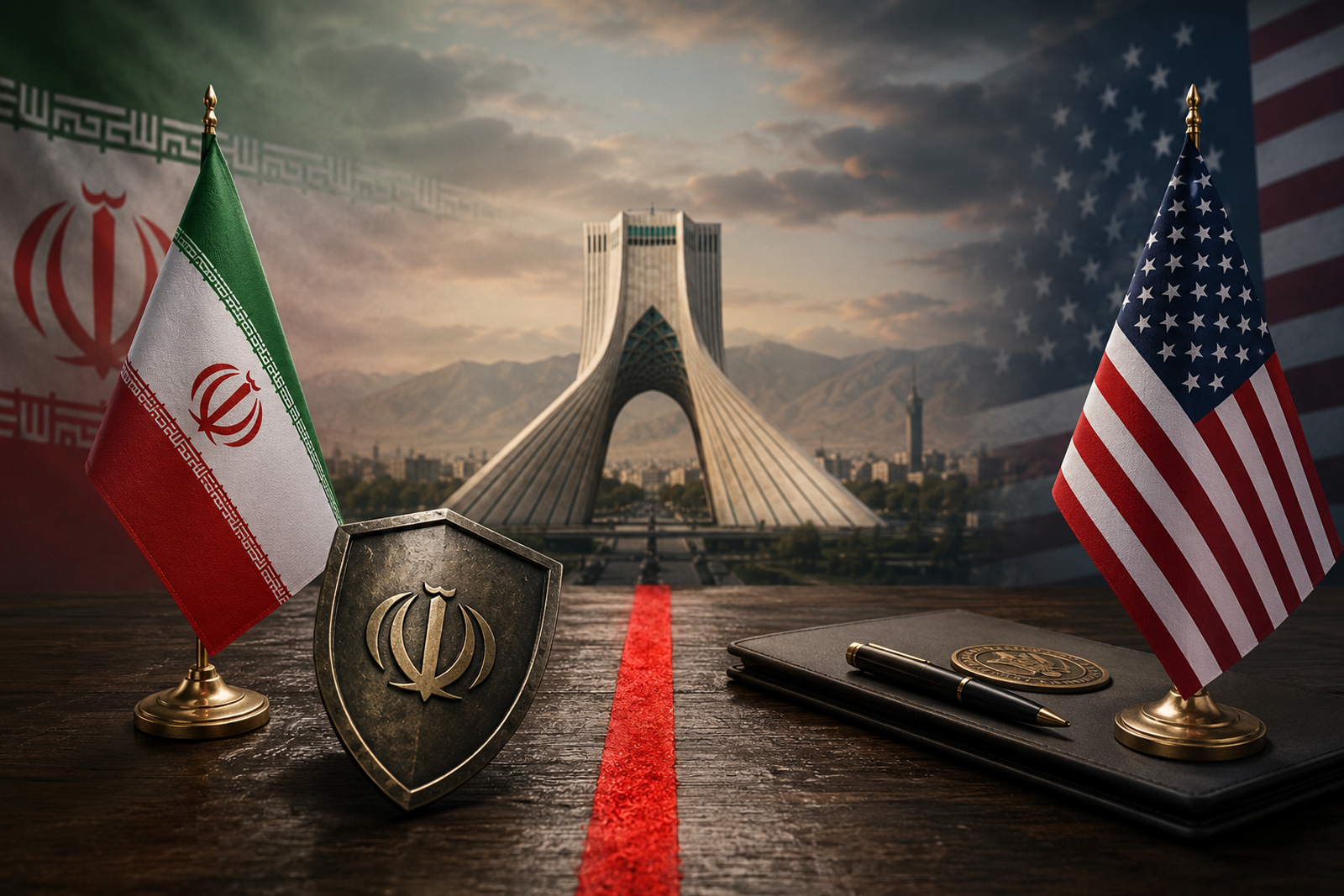
Iran Stands Firm: No Agreement with U.S. Without Safeguards for National Rights
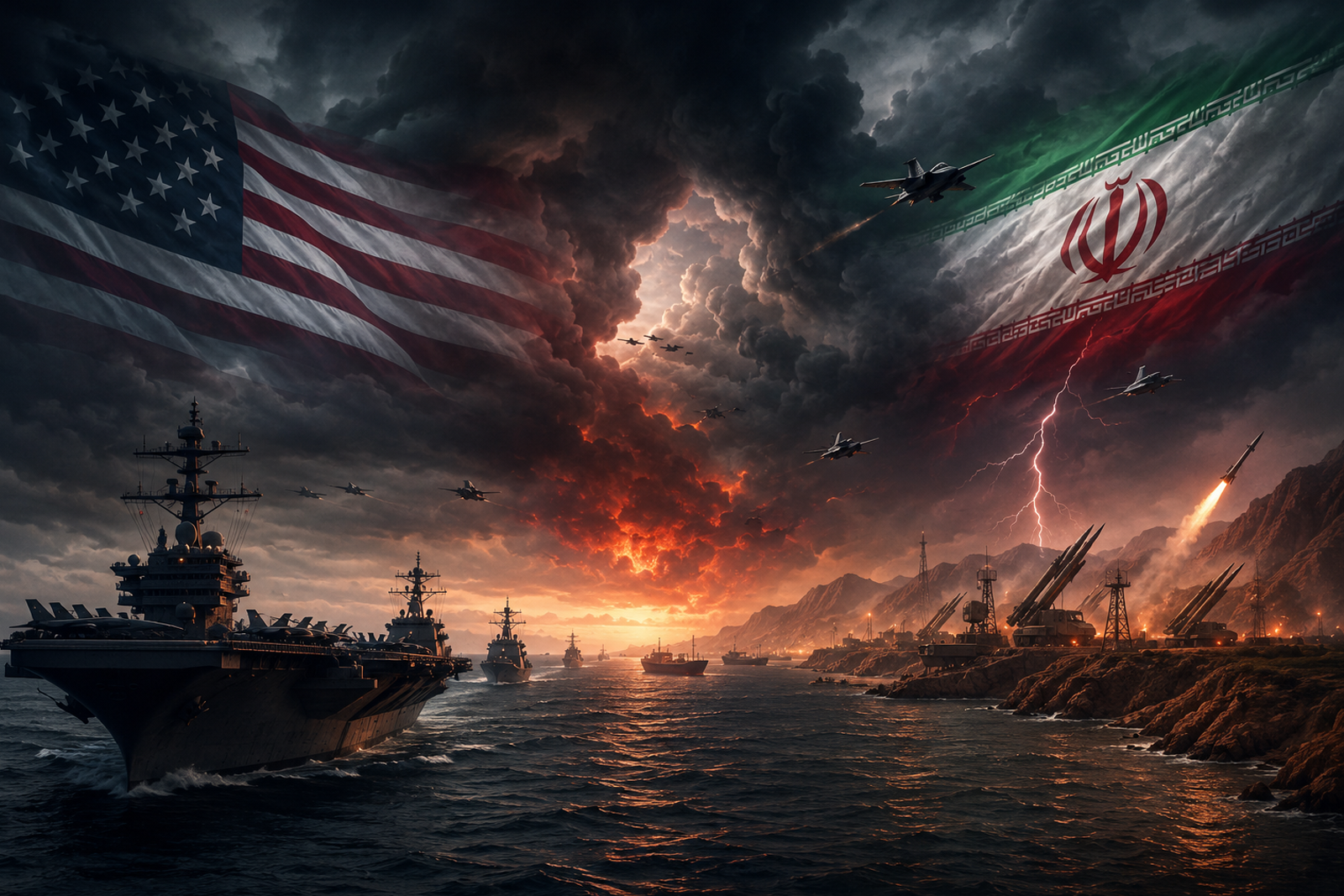
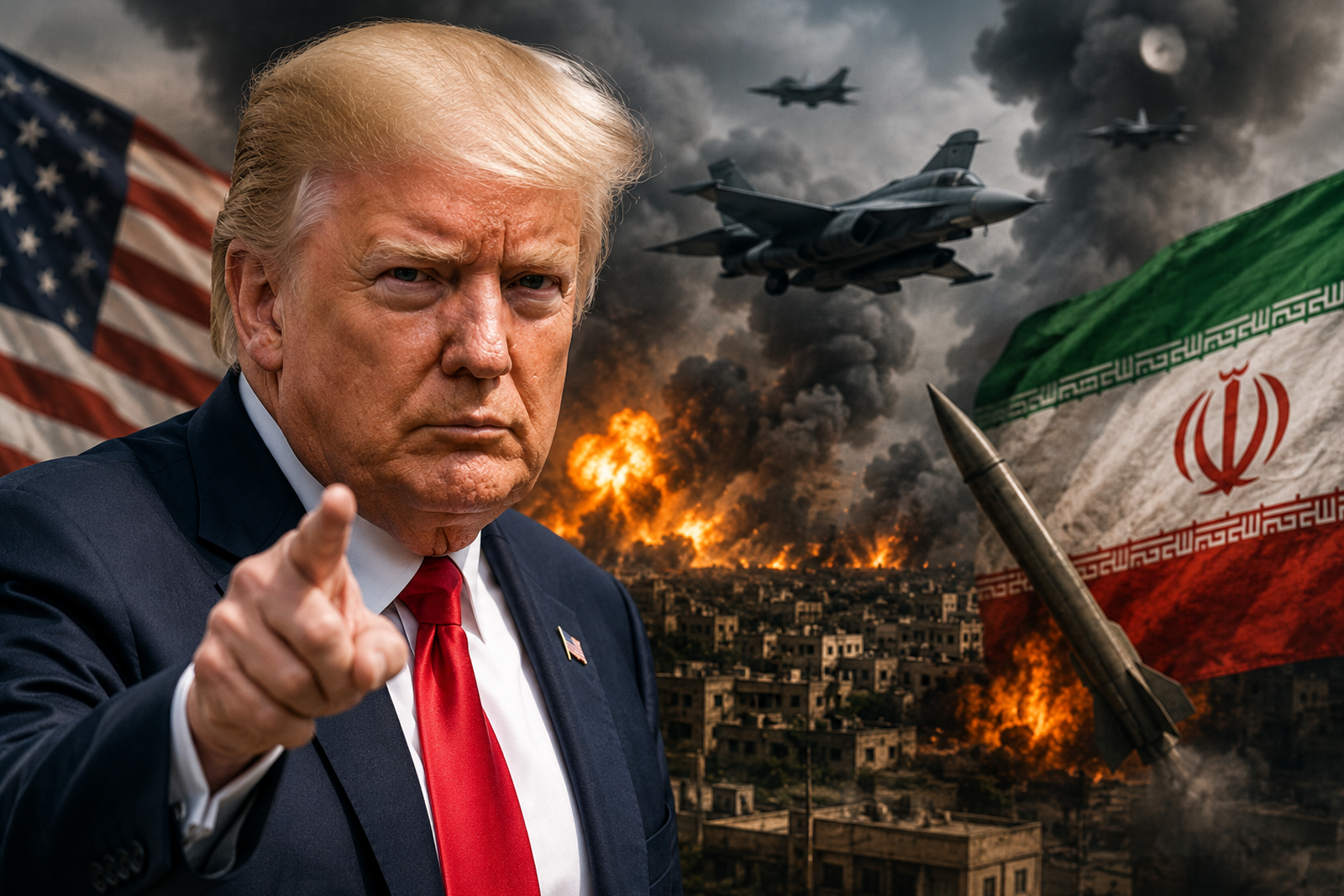
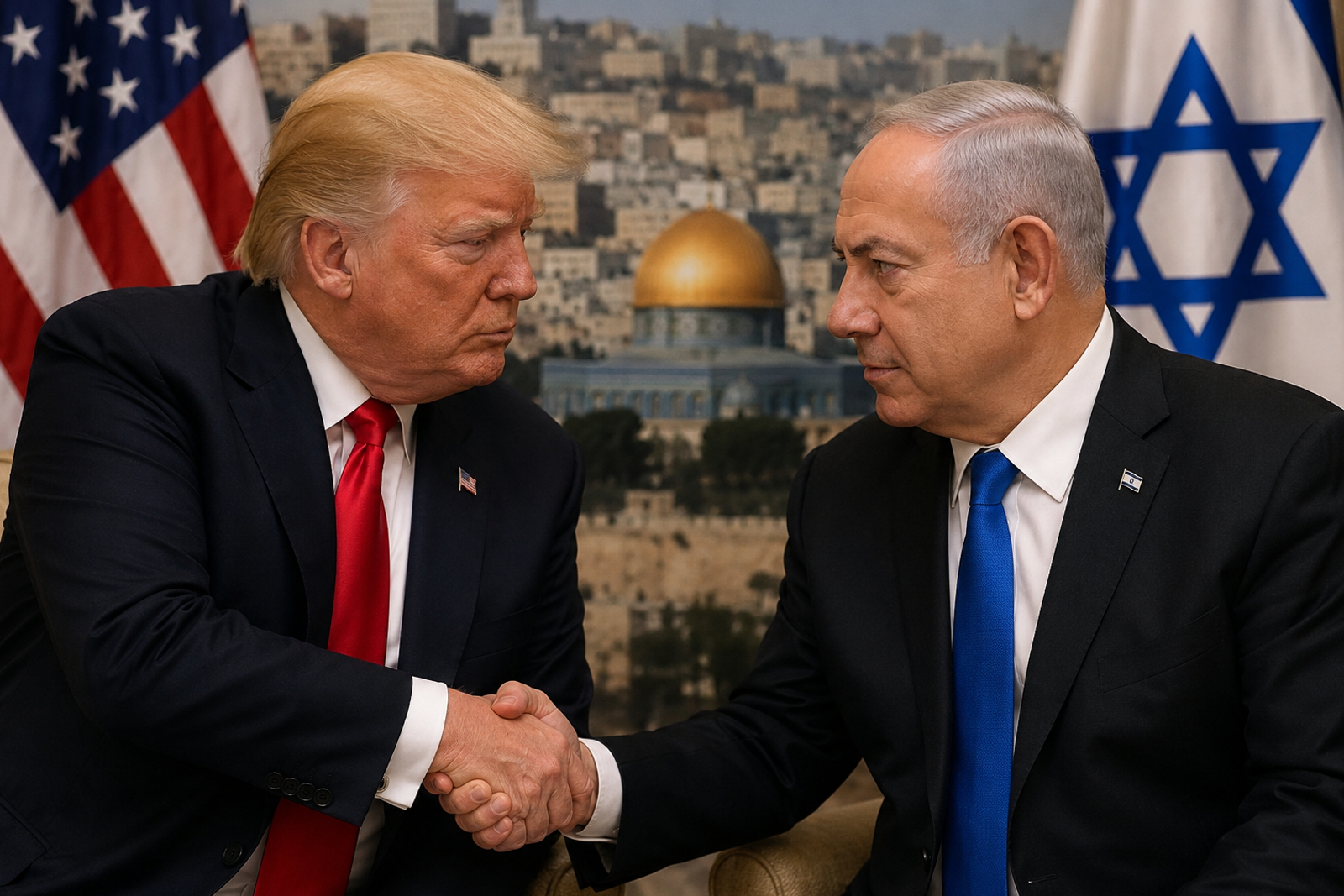
As diplomatic efforts continue amid heightened tensions in the Middle East, Iran has reiterated its position that any future agreement with the United States must fully protect the country's national interests and sovereign rights. The statement from Iran’s chief negotiator highlights the challenges facing ongoing negotiations and underscores Tehran’s determination to secure guarantees before committing to any deal.
Iran’s Clear Message to Washington
Iranian officials have emphasized that negotiations are not simply about reaching a quick agreement but about ensuring long-term security and fairness. According to Tehran, any understanding with Washington must include respect for Iran’s political independence, economic interests, and strategic concerns.
The latest remarks suggest that Iran remains cautious about entering into commitments without clear assurances that its rights will be protected and that previous disputes will not be repeated.
Diplomatic Talks Face New Challenges
Negotiations between Iran and the United States have experienced multiple ups and downs over the years. While both sides have expressed interest in reducing tensions, significant differences remain over key issues.
Among the major concerns are:
-
Economic sanctions and their impact on Iran’s economy.
-
Regional security arrangements.
-
Nuclear-related commitments and monitoring mechanisms.
-
Guarantees regarding future policy changes.
These unresolved matters continue to slow progress despite ongoing diplomatic engagement.
Regional Impact of the Standoff
The absence of a breakthrough agreement has implications beyond Iran and the United States. Countries across the Middle East are closely monitoring developments, as the outcome could influence regional stability, trade routes, and security cooperation.
Analysts believe that prolonged uncertainty may increase geopolitical risks, while a balanced agreement could help reduce tensions and encourage broader diplomatic dialogue across the region.
Global Reactions
International observers have called for restraint and constructive negotiations. Many governments support diplomatic solutions and encourage both parties to continue discussions aimed at preventing further escalation.
Global markets are also watching developments carefully, particularly because instability in the Middle East can affect energy supplies and international trade flows.
The Road Ahead
Despite the current deadlock, diplomatic channels remain open.
For Iran, the central demand remains unchanged: any agreement must guarantee the country's rights and interests. For the United States, achieving a workable and sustainable framework remains a key objective.
Iran’s latest stance demonstrates that significant hurdles remain before a comprehensive agreement can be reached. While negotiations continue, Tehran’s insistence on securing its rights first signals that any future deal will require careful compromise, detailed guarantees, and sustained diplomatic effort from all parties involved.

Iran Refuses to Rush Agreement: Tehran Demands Protection of National Rights Before Any U.S. Deal
The diplomatic relationship between Iran and the United States remains one of the most closely watched issues in international politics. Amid renewed discussions and attempts to ease tensions, Iran’s chief negotiator has delivered a firm message: no agreement will be finalized until the country's rights and interests are fully secured.
The statement comes at a time when the Middle East is experiencing heightened uncertainty, with regional conflicts, economic concerns, and security challenges influencing negotiations. Iran's leadership argues that any future understanding with Washington must be based on mutual respect, clear commitments, and guarantees that protect the nation's sovereignty.
As global powers monitor developments, the latest remarks reveal both the opportunities and obstacles that continue to shape one of the world's most complex diplomatic relationships.
Iran’s Position: Rights Before Agreements
Iranian officials have repeatedly emphasized that negotiations are not merely about signing a document. Instead, they view diplomacy as a process that must produce tangible benefits and protect national interests.
According to Tehran, several principles remain non-negotiable:
Key Priorities for Iran
-
Protection of national sovereignty.
-
Respect for Iran's political independence.
-
Economic benefits from any agreement.
-
Removal or easing of restrictive sanctions.
-
Security guarantees against future threats.
-
Recognition of Iran's lawful rights under international agreements.
Iranian leaders believe that any deal lacking these protections would be unsustainable and vulnerable to future disputes.
Why Tehran Remains Cautious
Iran's cautious approach is rooted in years of political tensions and fluctuating diplomatic relations with Washington.
Many Iranian policymakers argue that previous agreements failed to deliver expected outcomes, creating skepticism about new negotiations. As a result, Tehran seeks stronger assurances before making significant commitments.
Factors Behind Iran's Caution
-
Past Diplomatic Setbacks
-
Previous agreements faced implementation challenges.
-
Political changes altered diplomatic priorities.
-
Economic Pressure
-
Sanctions have significantly affected trade and investment.
-
Economic recovery remains a national priority.
-
Regional Security Concerns
-
Ongoing conflicts in neighboring regions create uncertainty.
-
Tehran seeks guarantees that its security interests will be respected.
-
Domestic Expectations
-
Iranian citizens expect negotiations to improve economic conditions.
-
Leaders face pressure to secure meaningful results.
This combination of factors explains why Iranian negotiators continue to adopt a firm stance.
The U.S. Perspective
The United States has consistently stated that diplomacy remains the preferred path for addressing disputes with Iran.
American officials have indicated that a negotiated solution could help reduce tensions and contribute to regional stability. However, Washington also seeks assurances regarding security issues and compliance with international commitments.
Main Objectives for the United States
-
Reducing regional instability.
-
Strengthening diplomatic engagement.
-
Preventing further escalation.
-
Building confidence through verifiable agreements.
-
Encouraging long-term security cooperation.
While both sides express support for dialogue, differences over priorities continue to complicate negotiations.
Impact on Middle East Stability
The outcome of U.S.-Iran negotiations extends far beyond the two countries involved.
Regional governments are carefully watching developments because any breakthrough—or failure—could reshape the geopolitical landscape.
Potential Effects on the Region
1. Security Environment
A successful agreement could lower military tensions and encourage diplomatic cooperation among regional actors.
2. Energy Markets
The Middle East remains a critical energy-producing region. Reduced tensions could improve market confidence and stabilize supply chains.
3. Trade Opportunities
Improved relations could create new economic opportunities and encourage international investment.
4. Diplomatic Cooperation
A negotiated settlement may open doors for broader regional discussions on security and development.
Economic Stakes Are High
Economic considerations play a major role in the ongoing negotiations.
Iran continues to seek relief from economic restrictions that have impacted:
-
Oil exports.
-
Banking transactions.
-
Foreign investment.
-
Industrial growth.
-
International trade.
Experts believe that meaningful economic progress could strengthen domestic stability and improve living conditions for many Iranians.
Potential Economic Benefits of a Deal
|
Area |
Possible Benefit |
|
Energy Sector |
Increased exports |
|
Banking |
Improved international transactions |
|
Trade |
Expanded global partnerships |
|
Investment |
Greater foreign capital inflows |
|
Employment |
New job opportunities |
However, these benefits depend on the successful implementation of any future agreement.
International Community Calls for Diplomacy
Governments around the world continue to encourage dialogue between Tehran and Washington.
Major international organizations and diplomatic partners argue that negotiations offer the best path toward reducing tensions and avoiding further instability.
Global Expectations
The international community generally hopes for:
-
Peaceful dispute resolution.
-
Greater regional stability.
-
Protection of international trade routes.
-
Reduced risk of military confrontation.
-
Continued diplomatic engagement.
Many countries believe that sustained communication remains essential even when progress appears slow.
Obstacles That Still Remain
Despite ongoing discussions, several significant challenges continue to stand in the way of a comprehensive agreement.
Key Roadblocks
Trust Deficit
Years of political disagreements have created deep mistrust between both sides.
Verification Mechanisms
Questions remain regarding how commitments would be monitored and enforced.
Regional Dynamics
Broader geopolitical tensions continue to influence negotiations.
Domestic Political Pressures
Leaders in both countries face internal political considerations that can affect diplomatic flexibility.
Long-Term Guarantees
Iran seeks assurances that future policy shifts will not undermine any new agreement.
These issues represent some of the most difficult aspects of the negotiation process.
Experts Weigh In
Political analysts suggest that the latest statement from Iran's chief negotiator is designed to establish clear boundaries before talks move forward.
Many experts believe Tehran wants to signal that it will not accept symbolic concessions and instead seeks practical guarantees.
Analyst Observations
-
Iran is prioritizing long-term security over short-term diplomatic gains.
-
Negotiations may continue for an extended period.
-
Both sides appear interested in avoiding direct escalation.
-
Economic considerations remain a powerful motivation for compromise.
-
Future discussions will likely focus on confidence-building measures.
While progress may be slow, most observers agree that diplomatic channels remain open.
What Happens Next?
The coming weeks could prove crucial in determining whether negotiations gain momentum or encounter further setbacks.
Possible scenarios include:
Scenario 1: Gradual Progress
Both sides continue discussions and reach partial understandings on key issues.
Scenario 2: Extended Negotiations
Talks remain active but move slowly as negotiators work through complex disagreements.
Scenario 3: Temporary Stalemate
Differences over guarantees and commitments delay meaningful progress.
Scenario 4: Comprehensive Framework
A broader agreement emerges that addresses security, economic, and political concerns.
At present, analysts believe gradual progress remains the most likely outcome.
Conclusion
Iran’s declaration that no agreement with the United States will be accepted until national rights are fully secured highlights the complexity of ongoing diplomatic efforts. Tehran’s position reflects concerns about sovereignty, economic recovery, and long-term security guarantees.
While both nations continue to engage through diplomatic channels, substantial differences remain. The outcome of these negotiations will not only shape future U.S.-Iran relations but could also influence stability across the broader Middle East.
As the world watches closely, one message from Tehran remains unmistakably clear: any future agreement must deliver concrete protections for Iranian interests before a final deal can move forward.

Shivani NayakJournalist
Shivani Nayak is an emerging journalist committed to delivering accurate, timely, and impactful stories for a fast-growing digital news platform. With a keen interest in politics, public policy, and community reporting, she focuses on issues that directly affect everyday life. Her work reflects a strong belief in responsible journalism, transparency, and fact-based reporting.
She brings a modern, digital-first approach to news coverage, blending field reporting with multimedia storytelling to reach audiences across platforms. From breaking developments to in-depth explainers and human-interest features, Anita strives to present news in a clear, accessible manner while maintaining editorial integrity.
Driven by curiosity and a deep sense of social responsibility, she actively engages with sources at the grassroots level, ensuring diverse voices are represented. She is particularly interested in governance, education reform, infrastructure development, and civic affairs.
Through her reporting, Anita aims to build trust with readers and contribute to a culture of informed public dialogue. As part of a new portal, she looks forward to growing alongside the publication and helping shape its journalistic identity in the digital age.