- Loading...
- Loading...



The National Testing Agency (NTA) has issued a fresh set of instructions for candidates appearing in the NEET UG 2026 re-examination. The agency has emphasized strict compliance with entry procedures and dress code requirements to maintain fairness, transparency, and security during the examination process. Students are advised to carefully review the guidelines well before the exam day to avoid any inconvenience at test centres.
According to the latest advisory, candidates must reach their allotted examination centres well before the reporting time mentioned on their admit cards. Entry gates will be closed at the specified time, and no candidate will be allowed to enter after the deadline. The NTA has urged students to account for traffic, weather conditions, and security checks while planning their travel.
Officials have highlighted that punctuality is crucial for ensuring a smooth examination process and minimizing disruptions for other candidates.
The NTA has once again implemented a prescribed dress code to prevent the use of unauthorized items during the examination. Candidates are encouraged to wear simple and comfortable clothing with minimal accessories.
Students should avoid outfits with large buttons, heavy embroidery, or metallic decorations. Wearing excessive jewelry, watches, bracelets, or electronic accessories is discouraged. Footwear should also be simple, with slippers or sandals preferred over shoes with thick soles.
Candidates who follow the dress code are expected to experience faster security clearance at the examination venue.
The agency has reminded candidates to carry essential documents, including a printed admit card, a valid photo identification document, and any additional paperwork specified in the official instructions.
Candidates are advised to verify all details on their admit cards in advance and report any discrepancies to the authorities immediately.
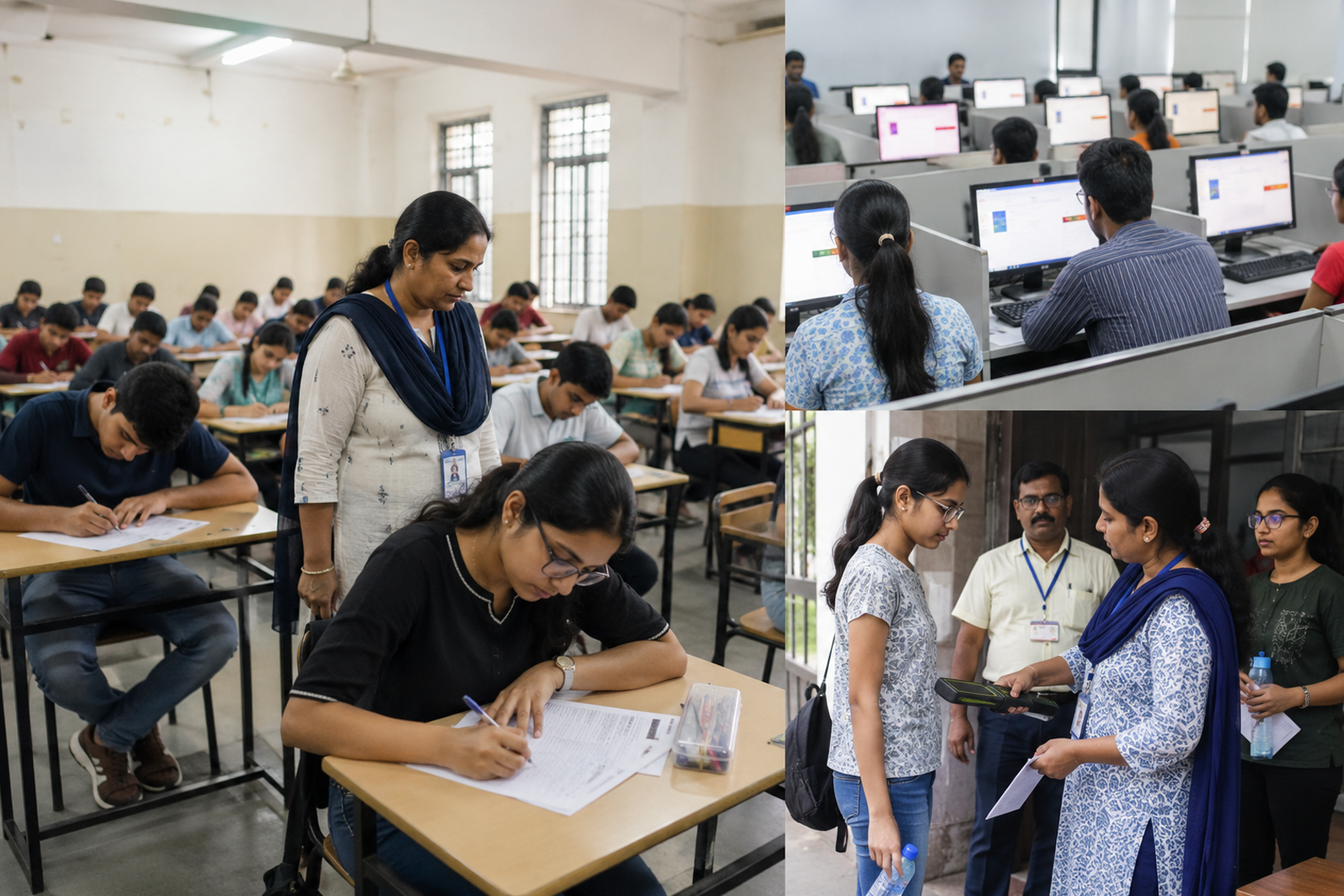
To maintain the integrity of the examination, strict security arrangements will be in place across all centres. Electronic devices such as mobile phones, smartwatches, Bluetooth gadgets, calculators, and other communication devices will not be permitted inside the examination hall.
Invigilators and security personnel will conduct thorough checks before allowing candidates to enter the premises.
As thousands of medical aspirants prepare for the NEET UG 2026 re-exam, adherence to NTA guidelines remains essential. Candidates who arrive on time, carry the necessary documents, and follow the prescribed dress code can focus entirely on their performance without facing avoidable complications. The latest instructions reflect the agency’s commitment to conducting a fair, secure, and transparent examination for all participants.
With the NEET UG 2026 re-examination approaching, the National Testing Agency (NTA) has released an updated set of instructions aimed at ensuring a smooth and transparent conduct of the examination. The agency has advised all candidates to strictly follow the prescribed entry rules, reporting schedule, and dress code requirements. These measures are intended to strengthen examination security, prevent malpractice, and provide a fair testing environment for every aspirant.
As NEET remains one of India's most competitive entrance examinations, even minor violations of the guidelines could create unnecessary complications for candidates on exam day. Therefore, students are encouraged to thoroughly understand the instructions and prepare accordingly.
The NTA periodically updates examination protocols to maintain the integrity of national-level entrance tests. The re-examination presents an additional responsibility for authorities to ensure that all candidates are treated fairly and that the assessment process remains transparent.
The latest guidelines focus on:
These instructions are designed not only to improve security but also to help candidates navigate the examination day with confidence.
One of the most important aspects of the advisory is the emphasis on punctuality.
The NTA recommends reaching the venue well in advance to complete verification procedures without stress.
Arriving early can help candidates:
A calm and organized start can significantly improve concentration during the examination.
The prescribed dress code is a crucial component of the examination guidelines. It is intended to facilitate efficient security checks and eliminate opportunities for unfair practices.
Candidates are advised to wear:
The emphasis is on simplicity and practicality.
Students should refrain from wearing:
Such items may lead to additional scrutiny during security checks.
Footwear is another area where candidates must exercise caution.
Following these guidelines can speed up entry procedures and reduce inconvenience.
The NTA has reiterated its ban on several accessories and personal items.
These restrictions are intended to prevent the concealment of electronic devices or communication tools.
Proper documentation remains essential for entry into the examination centre.
Candidates should carry:
Candidates should verify:
Any discrepancy should be reported immediately to the relevant authorities before the examination date.
To preserve the integrity of the examination, electronic devices remain strictly prohibited.
Possession of such items inside the examination hall may result in disciplinary action and possible disqualification.
The NTA has strengthened security arrangements for the re-examination.
These measures are intended to create a fair environment where candidates compete solely on merit.
Every year, some students face difficulties due to avoidable errors.
Awareness and preparation can help candidates avoid these issues.
Apart from academic preparation, logistical planning plays an important role.
If possible, locate the centre a day before the exam to estimate travel time.
Keep all required documents ready the night before.
Choose examination-day attire according to the prescribed dress code.
Identify the safest and most reliable route to the centre.
A well-rested mind performs better under examination conditions.
The NTA regularly updates candidates through official notices and announcements. Aspirants should rely only on authentic information sources rather than rumors circulating on social media platforms.
Reading official advisories carefully helps students:
Being informed can prevent unnecessary stress on the day of the examination.
The strict dress code and entry regulations reflect the NTA’s broader commitment to maintaining examination standards. With lakhs of students competing for limited medical seats, transparency and fairness are essential.
The measures are designed to:
A secure examination environment ultimately benefits every genuine aspirant.
The NEET UG 2026 re-examination is a significant opportunity for aspiring medical students, and adherence to NTA guidelines is crucial for a hassle-free experience. Candidates should pay close attention to reporting times, carry all required documents, follow the prescribed dress code, and avoid prohibited items. Proper planning and compliance with official instructions can help students focus entirely on their performance rather than administrative issues.
As the examination date approaches, aspirants are encouraged to remain calm, stay informed through official channels, and approach the test with confidence. By following the rules and preparing thoroughly, candidates can ensure that their efforts are directed toward achieving success in one of the country's most important entrance examinations.

In today’s world of endless choices and digital noise, marketing is no longer just about promoting products — it’s about creating meaningful connections. Successful brands focus on building relationships rather than chasing transactions. Marketing that connects transforms audiences into loyal communities by earning their trust, understanding their needs, and delivering genuine value. When businesses prioritize people over promotions, marketing becomes more than strategy — it becomes a relationship built to last.

Odisha’s small businesses are entering a new era — where mobile apps, online payments, and e-commerce aren’t luxuries, but lifelines for growth and survival.

As India enters the second phase of its digital revolution, artificial intelligence and automation are not just transforming industries—they’re redefining what it means to work, earn, and adapt.

The conference brought together officials from ten central districts, including district collectors, tehsildars, registrars, and welfare officers, either virtually or in person.

We glorified sleepless nights, burnout, and exhaustion as signs of ambition. But when did working yourself to the edge become the definition of success?

Not everyone who thrives in tech writes code. Some design the very experiences that make technology human.




Leave Comments