Introduction
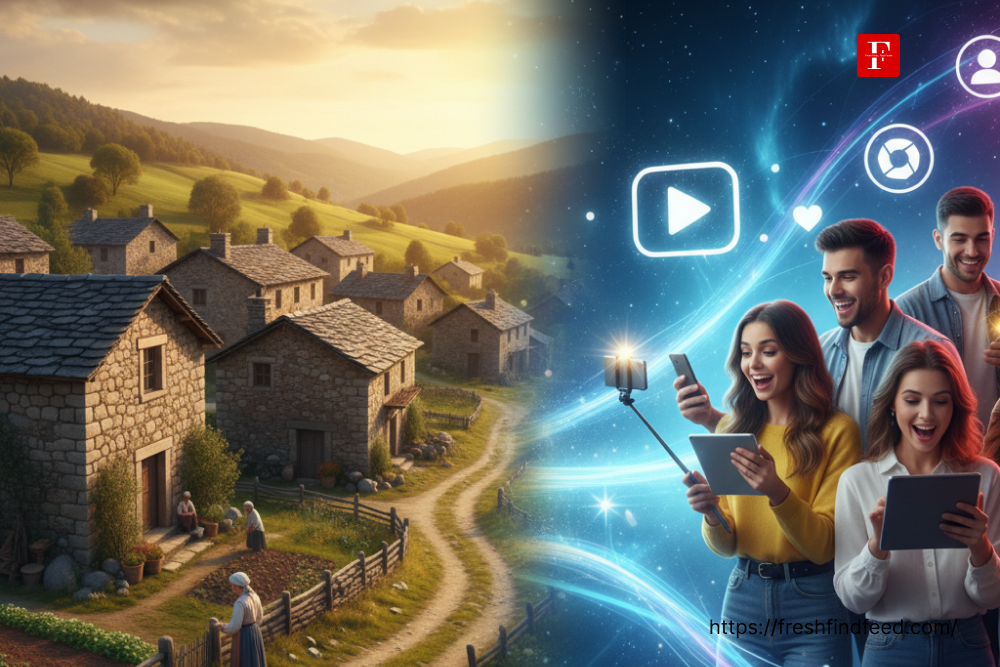
Once upon a time, India’s villages were seen as “silent spectators” of pop culture. Cities dictated trends, while rural India consumed them passively. But that script has flipped. Thanks to cheap smartphones, affordable data, and platforms like YouTube, Instagram, and Moj, creators from India’s villages are going viral—not just in their districts but across the country and sometimes even globally.
This isn’t just about entertainment; it’s about rural India finding its voice, identity, and market power in the digital age.
The Digital Revolution in Rural India
The roots of this shift lie in India’s data revolution. When Jio slashed internet costs in 2016, rural households suddenly had access to unlimited video streaming and social media. The digital divide shrank almost overnight.
-
Stats to note:
-
52% of India’s internet users now live in rural areas.
-
Tier-3 and rural markets are the fastest-growing audiences for social media platforms.
-
Apps like Moj, ShareChat, and Josh gained millions of users because they prioritized vernacular languages.
-
This new accessibility gave rise to a wave of rural storytellers.
Who Are These Rural Creators?
Rural creators are not just influencers—they’re cultural ambassadors. Some categories include:
-
Farmers & Agriculturists: Sharing farming tips, weather hacks, and tractor stunts.
-
Teachers & Educators: Explaining science, math, and English in local dialects.
-
Homemakers & Craftspeople: Demonstrating recipes, embroidery, pottery, and traditional art.
-
Performers: Folk singers, dancers, comedians, and mimicry artists going viral with authenticity.
Unlike polished urban influencers, rural creators often film with basic phones, natural lighting, and raw storytelling—an authenticity that audiences find refreshing.
Why Are They Going Viral?
The appeal lies in relatability.
-
Authenticity over Aesthetics: Viewers connect with creators who feel “real,” not curated.
-
Regional Languages: Content in Bhojpuri, Odia, Tamil, or Haryanvi connects directly with local audiences.
-
Everyday Heroism: Watching a farmer plough his land or a mother cook traditional dishes feels inspiring and nostalgic.
-
Platform Push: Apps like YouTube Shorts, Moj, and ShareChat actively promote vernacular content.
Money and Market Power
Going viral is no longer just about fame—it’s about income.
-
Monetization avenues: Brand collaborations, live streaming gifts, affiliate marketing, and YouTube ads.
-
Rural creator economy value (2024): Estimated at ₹1,200 crore and growing fast.
-
Brands selling seeds, tractors, sarees, or even fintech apps are increasingly partnering with rural influencers who connect deeply with local buyers.
A farmer with 200,000 followers in Bihar can drive more sales for a tractor company than a Bollywood celebrity ad. That’s the shift in market trust.
Challenges for Rural Creators
But the journey isn’t all smooth. Rural influencers face hurdles such as:
-
Connectivity issues: Many villages still struggle with patchy networks.
-
Lack of equipment: Most creators rely on basic phones without professional cameras or editing tools.
-
Online trolling & safety: Cyberbullying and lack of digital literacy expose them to risks.
-
Payment gaps: Many lack proper bank accounts or knowledge of monetization policies.
Despite these, the drive to create is unstoppable.