- Loading...
- Loading...


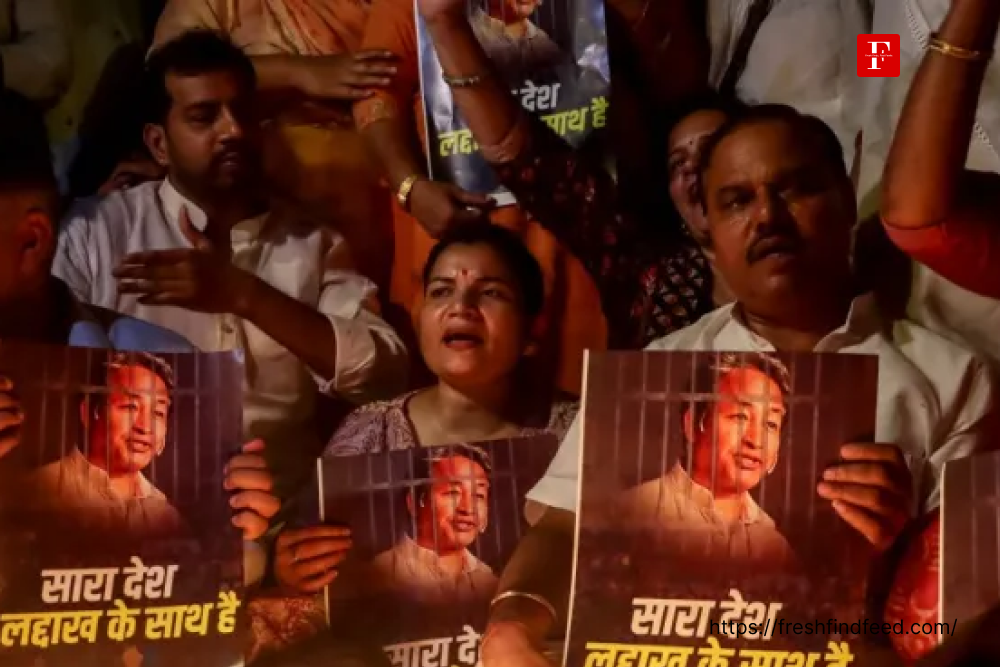
Ladakh—a region of stark landscapes, fragile ecologies, and strategic importance—has been simmering with discontent. For years, locals, led by climate activist Sonam Wangchuk and civil bodies like the Leh Apex Body (LAB) and the Kargil Democratic Alliance (KDA), have demanded greater autonomy, constitutional safeguards, and recognition under the Sixth Schedule of the Constitution. What began as peaceful protests, hunger strikes, and dialogue has, at its latest juncture, descended into violence. On 24 September 2025, the confrontation between protesters and authorities in Leh led to multiple deaths, a curfew, arrests, and a new level of urgency in Ladakh’s demands.
This article walks through how things escalated, what’s at stake, and where Ladakh might be headed from here.
Sonam Wangchuk began a hunger strike on 10 September 2025, along with others, demanding:
Statehood for Ladakh.
Inclusion of Ladakh under the Sixth Schedule, which grants special constitutional safeguards for tribal, indigenous, or otherwise marginalised communities.
Separate Lok Sabha seats for Leh and Kargil.
Employment and reservation rights for locals.
The situation escalated when two of the hunger strikers (aged 72 and 60) were hospitalised. Many locals considered this a tipping point. Youth began gathering and demanding action, and what had been largely nonviolent protest began to overflow.
On 24 September, clashes broke out in Leh: protesters vandalised public property, torched a BJP office, and set fire to a CRPF/security vehicle. Police and paramilitary forces responded with tear gas, baton charges, and according to multiple reports, some live rounds. Four people lost their lives and dozens (estimates vary between ~60-80+) were injured. Security personnel were among the injured.
In response, the administration imposed a curfew, shut down mobile internet in Leh, and deployed additional forces.
Sonam Wangchuk is a well-known activist, educator, and environmental innovator. His earlier projects (including SECMOL) and his persona have given him moral authority in Ladakh. He has campaigned for indigenous rights, better educational infrastructure, ecological balance, and political safeguards.
Government accusations: Authorities claim he made “provocative statements” during his hunger strike, referencing things like the Arab Spring and Gen Z protests in Nepal, which they say helped incite the violence. The Home Ministry and the administration maintain that his speeches misled people and evoked anger among youth.
Wangchuk’s response: He denied instigating violence, expressed dismay at the turn of events, and ended his hunger strike. He appealed to protesters (especially the youth) to avoid violence. He called the day one of Ladakh’s darkest.
Legal & administrative fallout:
He has been arrested under the National Security Act (NSA).
His NGO, SECMOL (Students’ Educational and Cultural Movement of Ladakh), had its FCRA (Foreign Contribution Regulation Act) licence cancelled.
While the violence drew attention, it is embedded in deeper, long-standing issues:
Post-2019 polarisation: In 2019, Ladakh was separated from Jammu & Kashmir and designated a Union Territory, without its own legislative assembly. Many locals believe this reduced local autonomy.
Sixth Schedule status: This is seen by locals as a path to legal guarantees over land, water, forest, and indigenous rights—resources that are under pressure due to climate change, tourism, increasing militarization, and infrastructure projects.
Employment and reservation: Locals feel that job opportunities have been inadequate, and that recruitment, quotas, and representation remain skewed. Youth unemployment is cited repeatedly.
Cultural, linguistic, and identity concerns: People demand official recognition for languages like Bhoti and Purgi; they want women’s representation, and stronger local governance.
Government actions: Arrest of Wangchuk, cancellation of his NGO’s FCRA licence, imposition of curfew, suspension of internet services in Leh.
Public and organizational reactions:
Kargil Democratic Alliance (KDA) has suspended talks with the Centre, demanding a judicial probe.
Wife of Wangchuk, Gitanjali Angmo, has called accusations portraying him as anti-national “blatant lies.”
Lieutenant Governor’s statements: LG Kavinder Gupta defended the administration, urging protestors to restart dialogue, while insisting that authorities did not exacerbate the situation.
Human Costs: At least 4 dead, dozens injured. Families mourning. Health risks escalated due to hunger strike and hospitalisations.
Political Stakes: The demand for statehood and Sixth Schedule status is not new but has gained new urgency. How the Centre responds will impact federal-relations, tribal rights, and regional autonomy debates.
Legal & Governance Implications: If granted, Sixth Schedule protections would give Ladakh more legislative power, control over land, forests, development, and perhaps better protection for local culture and environment.
Environmental & Social Fragility: Ladakh is ecologically fragile. Increased militarization, tourism, and infrastructure strain resources. Locals worry about land alienation, environmental degradation, and loss of traditional livelihoods.
Escalation vs De-escalation: After violence, movement trajectories split—does it lead to repression, more arrests, or does it force meaningful engagement from government?
Trust Deficit: Many locals feel promises have been delayed. Even as the government claims progress via High Powered Committees (HPCs) and subcommittees, there’s skepticism about how much things will concretely change.
Risk of Polarization: Branding activists or movements as “anti-national” or accusing them of incitement can increase polarization, stigmatization, and social friction.
Communication & Media Control: With internet shutdowns and limited access, reliable information flow is impeded, raising concerns of misinformation and suppression.
Here are some approaches that might move things toward a more peaceful, just outcome:
Transparent and Inclusive Dialogue: The Centre, Ladakh’s LG, and local bodies (LAB, KDA) must engage in credible, transparent talks. Participation should include women, youth, elders, and marginalized communities.
Legal Guarantees & Clear Timelines: If Sixth Schedule or similar protections are to be extended, there must be clear legal guarantees and timelines—not open-ended promises.
Addressing Immediate Grievances: The government could prioritize job creation, reservation fulfilment, official recognition of local languages, and ensuring health and safety for protestors and hunger‐strikers.
Ensuring Accountability: Investigations into the deaths and injuries, damage to property, and conduct of security forces need to happen, preferably through judicial or independent inquiries.
Strengthening Local Governance: Empowering Ladakh’s local councils with autonomy, transparency, and financial tools can reduce alienation.
Protecting Civil Liberties: Freedom of speech, protest, assembly, and fair treatment of activists needs to be safeguarded—even if protests turn uneasy.
Ladakh’s latest unrest marks a critical inflection point. Sonam Wangchuk has been a catalyst—but the movement reflects broader anxieties: over identity, representation, environment, and dignity. When people feel unheard for years, sometimes even hunger strikes culminate in heightened anger and clashes.
The question now is whether this violence becomes a reason for suppression or a trigger for the government to finally act on long-pending demands. What happens next will matter—not just for Ladakh, but for how India handles regional unrest, autonomy, and the rights of communities within a democratic framework.

In today’s world of endless choices and digital noise, marketing is no longer just about promoting products — it’s about creating meaningful connections. Successful brands focus on building relationships rather than chasing transactions. Marketing that connects transforms audiences into loyal communities by earning their trust, understanding their needs, and delivering genuine value. When businesses prioritize people over promotions, marketing becomes more than strategy — it becomes a relationship built to last.

Odisha’s small businesses are entering a new era — where mobile apps, online payments, and e-commerce aren’t luxuries, but lifelines for growth and survival.

As India enters the second phase of its digital revolution, artificial intelligence and automation are not just transforming industries—they’re redefining what it means to work, earn, and adapt.

The conference brought together officials from ten central districts, including district collectors, tehsildars, registrars, and welfare officers, either virtually or in person.

We glorified sleepless nights, burnout, and exhaustion as signs of ambition. But when did working yourself to the edge become the definition of success?

Not everyone who thrives in tech writes code. Some design the very experiences that make technology human.




Leave Comments