






The Punjab Flood Crisis of 2025: A Tale of Tragedy, Resilience, and Hope
A Disaster of Historic Scale
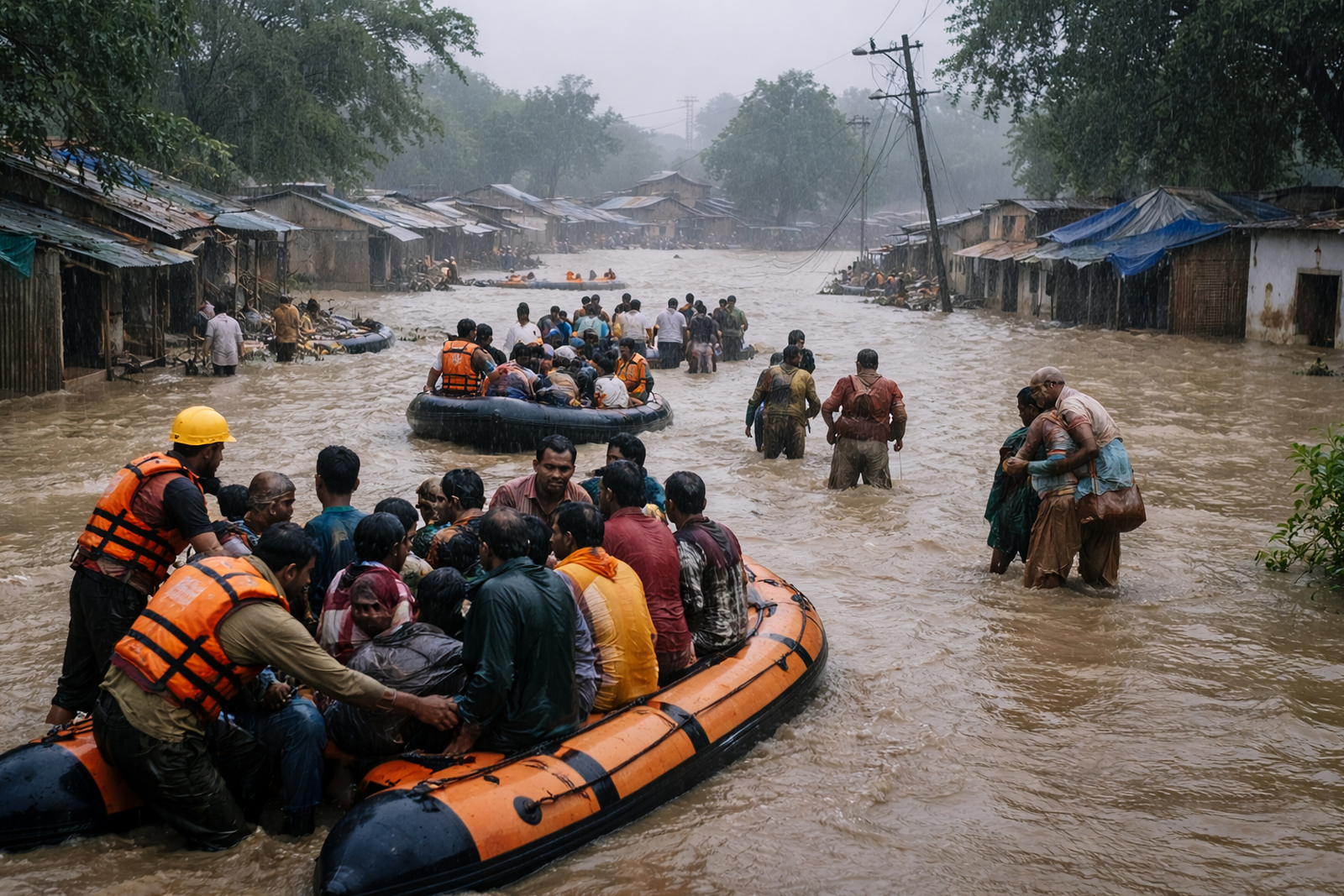
Punjab, the land often called India’s food bowl, is facing one of its darkest chapters. In the past few weeks, unrelenting rains, overflowing rivers, and dam discharges have combined to unleash floods that have swallowed entire villages, washed away crops, and disrupted millions of lives.
According to government data, all 23 districts of Punjab are officially flood-hit. Over 2,000 villages are submerged, and nearly 4 lakh people have been affected. For many, everything they built over generations homes, farms, and livelihoods has been swept away in days.
Why Is This Happening?
Record Rainfall
Punjab has seen 74% higher rainfall than usual this monsoon the highest in 25 years. That means rivers like the Sutlej, Beas, and Ravi have been running dangerously full.
Dam Overflow
Neighbouring states like Himachal Pradesh and Jammu & Kashmir also received heavy rain. Their overflowing dams and river systems sent a deluge into Punjab, leaving the state helpless under nature’s fury.
Geography at Play
Punjab’s geography makes it vulnerable its low-lying plains and proximity to river basins mean even slight excess water can cause massive flooding.

The Human Cost
Floods are more than just numbers they are human stories of pain and resilience.
- Lives Lost: So far, over 43 people have died in the floods, many due to drowning, collapsed houses, and electrocution.
- Displacement: Nearly 22,000 people have been forced out of their homes, seeking shelter in over 200 relief camps.
- Education Halted: Schools, colleges, and universities across Punjab have been shut down for safety. Children’s learning is on pause.
- Farmers in Crisis: Over 1.75 lakh hectares of farmland have been destroyed. For a state where agriculture is the backbone, this is a direct hit to the economy and food security.
As one farmer from Hoshiarpur told a reporter, “Everything is gone—my fields, my cattle, my house. I don’t know where to start again.”
The Response So Far
Rescue Efforts
- Teams from the National Disaster Response Force (NDRF), Army, and BSF are conducting round-the-clock rescues.
- Motorboats and even helicopters are being used to reach stranded families.
Relief Packages
- The Punjab government has released ₹71 crore for immediate relief.
- Delhi government has pitched in ₹5 crore to support Punjab.
- MLAs and ministers from Punjab have pledged to donate their salaries.
But many locals feel this is just a drop in the ocean. Punjab’s leaders have demanded ₹60,000 crore from the Centre to rebuild the state.
Health Measures
Floodwaters are breeding grounds for diseases like dengue, diarrhoea, and malaria. The state has launched door-to-door health check-ups and fumigation drives to stop outbreaks.
Security Concerns Along the Border
Punjab shares a sensitive border with Pakistan. Shockingly, 50+ BSF border posts have been submerged in the floods.
- Surveillance drones and motorboats are being deployed to prevent security lapses.
- Experts warn that prolonged flooding may weaken fencing and increase risks along the international border.
Lessons From the Past, Warnings for the Future
Floods aren’t new to Punjab. Big floods struck in 1988, 1993, 2019, and 2023 but this year’s floods are being called the worst in four decades.
Experts say this disaster shows why India needs:
- Better Flood Planning dams and rivers must be managed collectively across states.
- Early Warning Systems rural communities need faster alerts.
- Climate Action unpredictable rainfall patterns will only get worse with climate change.

Why This Matters Beyond Punjab
This isn’t just Punjab’s problem it’s India’s.
- Punjab produces a huge share of the wheat and rice that feeds the nation. A farming crisis here could push up food prices everywhere.
- Mass displacement means a humanitarian challenge that requires national solidarity.
- Border risks affect national security.
The Road Ahead
Rebuilding Punjab will take time, money, and compassion. Relief camps, clean drinking water, and medical aid are urgent needs right now. But once the water recedes, the real challenge will be helping farmers, shopkeepers, and families rebuild their lives from scratch.
Punjab’s floods are a reminder that while nature may overwhelm us, collective action by citizens, government, and communities can help us rise again.
Instant Summary
Punjab is facing its worst floods in nearly 40 years: 2,000 villages underwater, lakhs displaced, crops destroyed, and dozens of lives lost. Rescue operations are ongoing, but long-term rebuilding and central support are urgently needed.

About The Author
Soojin Das is a dedicated journalist with a strong focus on public affairs, governance, and grassroots reporting. With a passion for uncovering stories that matter, she brings clarity, accuracy, and depth to complex issues shaping communities across India. Her reporting spans politics, social development, education, and local civic concerns, giving readers a balanced and well-researched perspective. Known for her sharp news sense and ethical approach to journalism, Anita combines on-ground reporting with data-driven analysis and compelling storytelling. She has covered major policy announcements, elections, disaster response efforts, and community-led initiatives, ensuring that audiences receive timely and trustworthy information. Anita believes journalism plays a vital role in strengthening democracy and amplifying under-represented voices. Through interviews, investigative pieces, and human-interest stories, she aims to inform, engage, and empower readers. When not in the field, she closely follows media innovation and digital storytelling trends, continually refining her craft to meet the evolving needs of modern newsrooms.
Soojin Das | Journalist

You Might Also Like
-
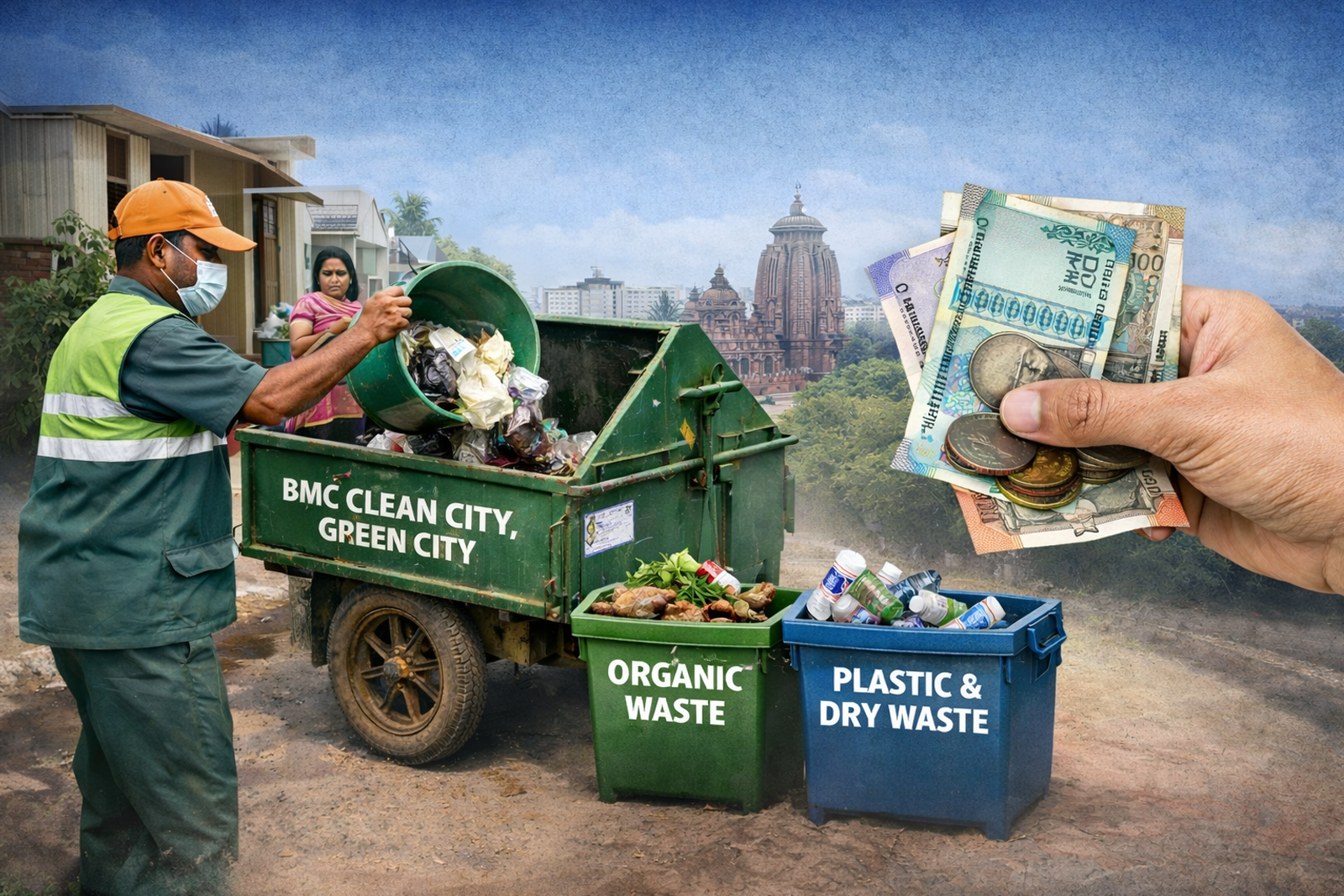
The Bhubaneswar Municipal Corporation (BMC) has decided to introduce a user fee for door-to-door waste collection across the city as part of its ef...
-
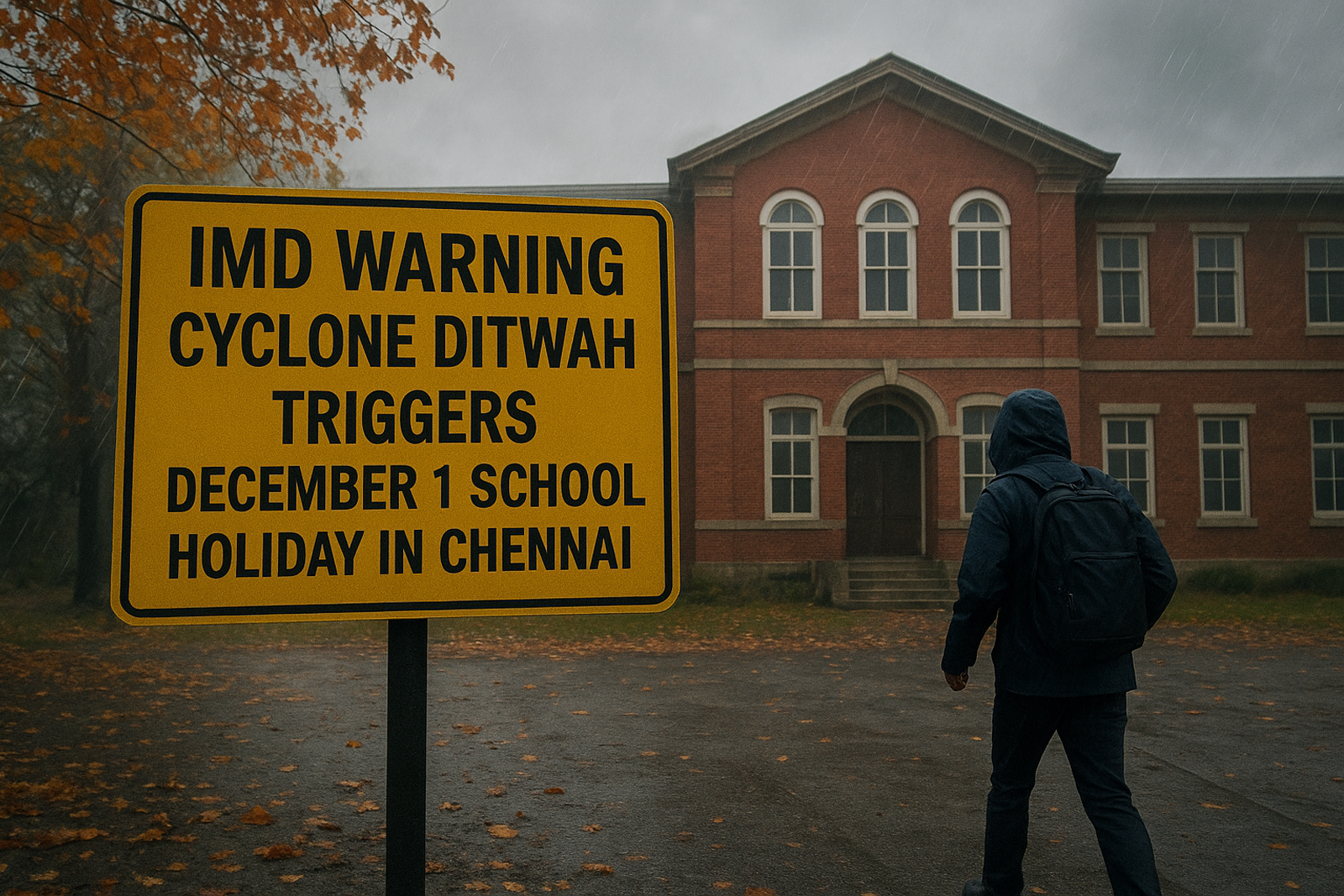
Chennai will remain on high alert on December 1 as Cyclone Ditwah continues to intensify over the southeast Bay of Bengal. Based on the latest weat...
Suggested Video