






Career Burnout Is the New Epidemic — and Nobody’s Talking About It
Introduction: When the Hustle Culture Finally Breaks You
The hustle was glorified for years — grind now, shine later became the unofficial anthem of every ambitious millennial and Gen Z professional. But after years of pushing boundaries, working through weekends, and treating sleep as optional, a silent epidemic has emerged across workplaces worldwide: career burnout.
It’s not always dramatic. Sometimes it’s quiet — a sense of emotional numbness, a morning where your alarm rings and you just… can’t. A job you once loved now feels like a trap. The world calls it productivity; psychologists call it chronic burnout — and it’s spreading faster than we’re willing to admit.
What Exactly Is Career Burnout?
Career burnout isn’t just feeling tired or frustrated. The World Health Organization (WHO) classifies it as a legitimate “occupational phenomenon” resulting from chronic workplace stress that hasn’t been successfully managed.
It has three defining symptoms:
-
Emotional exhaustion — feeling drained, even after rest.
-
Depersonalization — becoming cynical or detached from your work.
-
Reduced accomplishment — feeling like your work doesn’t matter.
Unlike temporary stress, burnout lingers. It seeps into your motivation, identity, and even health — turning everyday tasks into emotional marathons.
How the Pandemic Made It Worse
The COVID-19 pandemic didn’t create burnout — it magnified it.
When homes became offices, boundaries dissolved. Employees logged longer hours, often without realizing it. The constant “online” status on Slack or Teams replaced physical presence, creating digital guilt — the need to always appear available.
Work-from-home promised freedom, but what it delivered was 24/7 availability and blurred lines between personal and professional life. Even now, in the post-pandemic hybrid era, that boundary remains fractured — and mental exhaustion has become the new normal.
The Rise of “Silent Quitting”
“Quiet quitting” wasn’t about laziness; it was a coping mechanism.
Employees weren’t giving up — they were reclaiming their sanity. Instead of overextending, they started doing just enough to meet expectations, refusing to sacrifice mental peace for promotions.
The trend reflected a collective burnout response — a rebellion against unrealistic corporate standards that glorified exhaustion as dedication.
It wasn’t disengagement. It was self-preservation.
The Modern Workplace: A Pressure Cooker Disguised as Opportunity
Modern corporate culture thrives on performance metrics, deadlines, and visibility. “Passion” became a corporate buzzword used to justify overwork.
Even industries known for creativity — marketing, design, media — now treat burnout as a badge of honor. “I pulled three all-nighters” has replaced “I did great work.”
The result? A workforce that’s overworked, under-recognized, and emotionally depleted — constantly running on caffeine, anxiety, and adrenaline.
The Role of Technology: Always On, Never Off
Technology was supposed to make work easier. Instead, it made it inescapable.
Emails at midnight. Slack messages on weekends. Zoom fatigue that feels endless. Even vacations aren’t immune — “Just checking in” has become a reflex.
With AI tools and automation speeding up productivity, the pressure to “keep up” has only intensified. The more efficient we become, the more is expected of us — a paradox that traps us in an endless loop of doing more with less time.
Result: constant cognitive overload and emotional depletion — classic burnout symptoms in disguise.
The Science Behind Burnout: What’s Happening in Your Brain
Burnout isn’t just psychological — it’s neurological.
Chronic stress floods the brain with cortisol, impairing memory, focus, and emotional regulation. Over time, it physically alters brain regions like the amygdala (which controls fear) and prefrontal cortex (responsible for decision-making).
This leads to irritability, forgetfulness, insomnia, and emotional flatness. You’re not being lazy — your brain is literally struggling to function in overdrive.
The Hidden Cost: Burnout Beyond the Office
Career burnout doesn’t clock out at 6 PM. It spills into every part of life — relationships, health, even self-worth.
Studies show prolonged burnout increases risks of:
-
Heart disease
-
Depression and anxiety disorders
-
Insomnia
-
Weakened immune system
People start withdrawing from friends and hobbies. Conversations revolve around work frustrations. The world shrinks into a repetitive cycle of “wake, work, repeat.”
And the saddest part? Many don’t even realize they’re burning out — until something breaks.
The Gender Factor: Why Women Are Burning Out Faster
Research suggests women experience burnout at higher rates — especially working mothers. The reason? The “double shift” effect: balancing full-time jobs with unpaid domestic labor.
Women are more likely to face emotional labor expectations — being kind, supportive, and accommodating — even when they’re overwhelmed themselves.
Meanwhile, men often internalize burnout differently, associating exhaustion with failure rather than imbalance, which makes them less likely to seek help.
The gendered dimension of burnout proves that workplace equality must go beyond pay gaps — it must address mental load gaps too.
Can Companies Fix It? (And Will They?)
Many organizations now talk about “wellness,” but few genuinely practice it. Mental health webinars don’t solve toxic work cultures.
What really works?
-
Flexible hours and clear boundaries
-
Mandatory breaks and no-meeting days
-
Psychological safety — encouraging employees to speak up
-
Performance metrics based on quality, not quantity
Leaders must set the tone. A boss who never takes a vacation silently tells everyone else not to. Real change starts when rest becomes part of productivity, not the opposite of it.
How to Recognize (and Recover From) Burnout
Early signs to watch for:
-
Constant fatigue, even after rest
-
Increased irritability or detachment
-
Loss of motivation or creativity
-
Trouble concentrating
-
Cynicism toward work or colleagues
Steps to heal:
-
Acknowledge it — denial only prolongs the cycle.
-
Set boundaries — no-work zones, digital detox, clear work hours.
-
Reevaluate priorities — ask: what actually matters to me?
-
Seek support — therapy, mentorship, or peer groups.
-
Rest deeply — not just physically, but emotionally.
Remember, burnout recovery isn’t instant — it’s like healing from emotional overuse. But it’s absolutely possible.
Conclusion: Rest Is the Real Flex
The modern world glorifies exhaustion, but burnout isn’t proof of success — it’s a symptom of imbalance.
The pandemic forced us to question productivity, but the lesson is still unfolding: we don’t need to earn our rest. In the long run, sustainability beats speed, and peace outperforms pressure.
As mental health takes center stage in conversations about work, one truth stands tall — the future belongs to those who rest without guilt.
Because in a world running on burnout, calm is the ultimate rebellion.

You Might Also Like
-
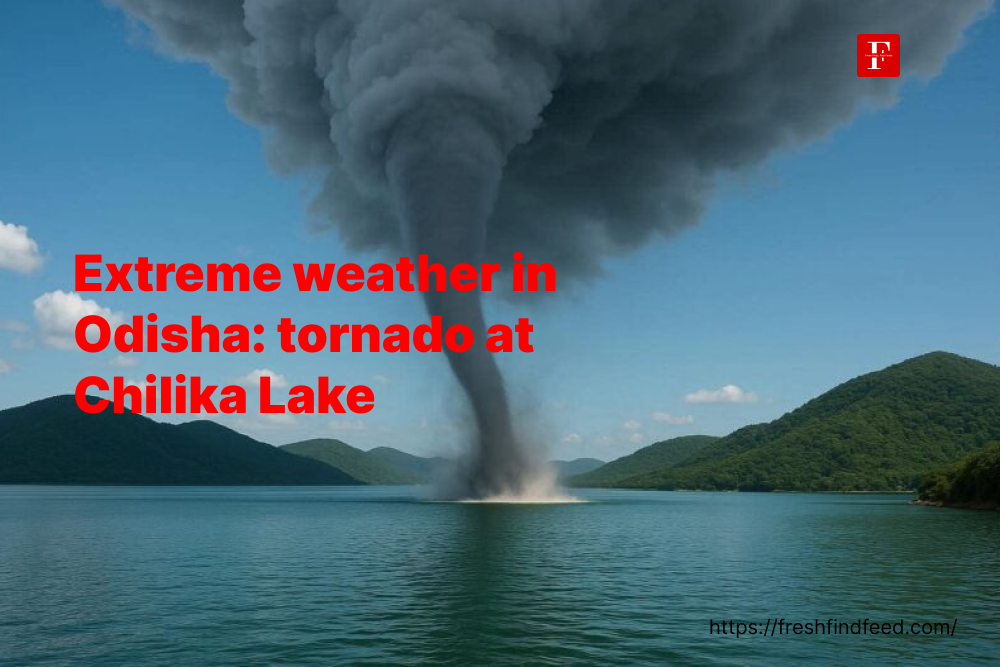
In a rare and startling event, a tornado-like phenomenon was witnessed over Chilika Lake in Odisha, leaving residents and environmentalists alarmed...

Suggested Video