







Lucid Dreaming: The Art of Controlling Your Dreams
Introduction: When Dreams Become Your Playground
Imagine this: You’re flying over mountains, wind in your hair, adrenaline rushing — and suddenly you realize, wait, this is a dream. Instead of waking up, you take control. You decide to soar higher, meet someone, or even rewrite reality.
That moment of awareness is called lucid dreaming — when your mind wakes up inside the dream. It’s like hacking your subconscious — where sleep meets self-awareness.
Once dismissed as mystical or pseudoscientific, lucid dreaming is now a serious subject of neuroscience and psychology. From overcoming fears to boosting creativity, people are learning to control their dreams — and in doing so, unlock parts of their minds that waking life rarely touches.
What Is Lucid Dreaming?
A lucid dream is one where the dreamer is aware that they’re dreaming — and often can influence what happens.
The term was first coined by Dutch psychiatrist Frederik van Eeden in 1913, but the phenomenon has existed for centuries in ancient practices like Tibetan dream yoga and Hindu yoga nidra.
In modern science, lucid dreaming is defined as a hybrid state — a blend of REM sleep (where dreaming occurs) and conscious awareness. The dreamer’s brain shows activity similar to being awake, even though the body remains asleep.
In other words: your consciousness and subconsciousness are both online.
The Science Behind It: How the Brain Wakes Up in Sleep
During REM (Rapid Eye Movement) sleep, your brain becomes active, and dreams occur. However, in lucid dreaming, something unique happens — the prefrontal cortex, responsible for logic and self-awareness, lights up again.
This area is usually quiet during regular dreams, which is why most dreams feel confusing or illogical. But when it activates, you suddenly realize: “I’m dreaming.”
Brain scans have shown that lucid dreamers experience a blend of REM activity and wakeful cognition — a state scientists describe as “metacognitive dreaming.”
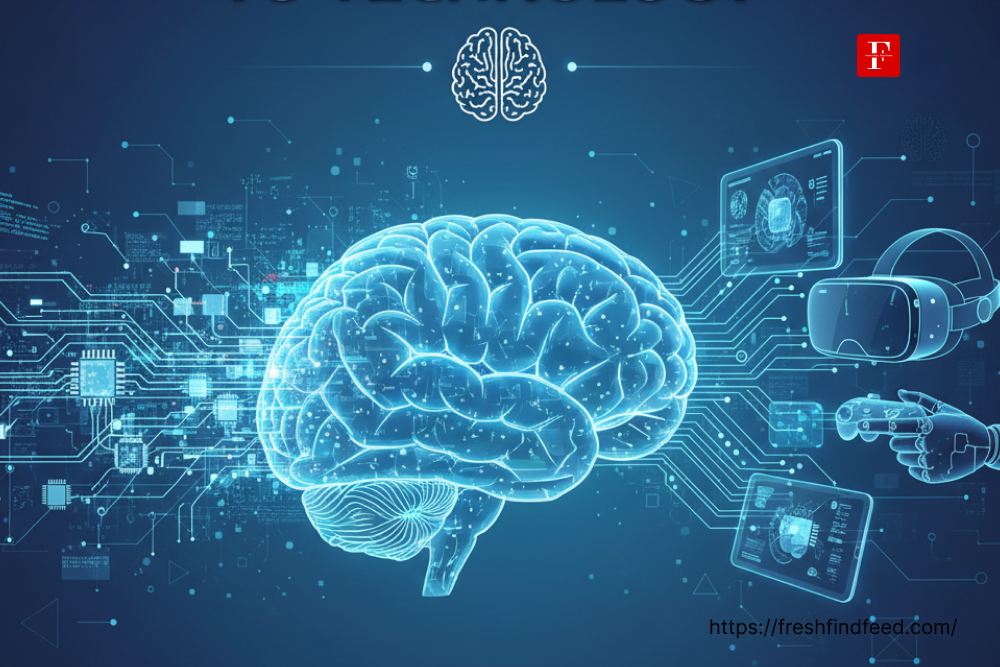
It’s consciousness without the physical world — an internal VR simulation powered entirely by your own brain.
The Hidden Benefits of Lucid Dreaming
Lucid dreaming isn’t just about having fun or flying across skies — it has some fascinating practical benefits:
🧠 Overcoming Nightmares
People suffering from recurring nightmares can learn to confront — and even rewrite — their fears. In a lucid dream, you can turn a chasing monster into a friendly figure or simply choose to walk away.
💡 Boosting Creativity
Artists, musicians, and writers have long tapped into their dreams for inspiration. Lucid dreaming lets you consciously explore creative ideas with no physical limits.
Famous lucid dreamers include Salvador Dalí, Nikola Tesla, and Stephen LaBerge, who used dreams to test theories and designs.
💪 Improving Skills
Studies show that mental practice during lucid dreams can enhance real-life performance — whether it’s playing piano or rehearsing a speech. The brain neurons firing during dream practice are similar to those used when awake.
🧘 Healing and Self-Exploration
Some people use lucid dreams for emotional release and self-reflection, accessing their subconscious mind directly. Therapists have begun exploring lucid dreaming as a tool for trauma recovery and anxiety reduction.
Can Anyone Learn to Lucid Dream?
Yes — but it takes practice and patience. While some people experience spontaneous lucid dreams, most have to train their minds to recognize when they’re dreaming.
Here are the most effective beginner-friendly techniques:
🌙 Reality Checks
Ask yourself several times a day: “Am I dreaming?”
Then do a test — try pushing your finger through your palm or looking twice at text (in dreams, text often changes when re-read). The goal is to make this a habit so that your brain repeats it inside your dreams.
📓 Dream Journal
Right after waking up, write down everything you remember — even fragments. Over time, you’ll notice patterns that help you recognize dreams more easily.
⏰ MILD (Mnemonic Induction of Lucid Dreams)
Before sleeping, repeat to yourself: “I will realize I’m dreaming.”
This primes your brain for awareness within your dream.
💤 WBTB (Wake Back to Bed)
Wake up after 5–6 hours of sleep, stay awake for 15–30 minutes, then go back to sleep. This increases the chance of entering REM sleep consciously.
🧘 Meditation & Mindfulness
People who regularly meditate are naturally more self-aware — which increases lucid dream frequency. The more aware you are while awake, the easier it becomes while dreaming.
The Dangers and Myths of Lucid Dreaming
While lucid dreaming sounds like pure fantasy, it’s not without risks or misconceptions.
⚠️ Sleep Paralysis
Some people experience a temporary inability to move when waking from a lucid dream — a natural REM phenomenon that can feel frightening but is harmless.
⚠️ Addiction to Dreaming
Lucid dreams can feel euphoric, leading some to prefer the dream world over reality. Like anything powerful, moderation is key.
❌ Myth: Lucid Dreaming Is Supernatural
Despite mystical interpretations, lucid dreaming is entirely scientific. It’s a trained state of consciousness — not an occult practice.
❌ Myth: You Can Get Stuck in a Dream
You can’t. The body’s sleep cycles naturally end the dream, even if you’re fully immersed.
What Happens When You Control Your Dreams
The first time you become lucid, you might feel excited — and that emotion can instantly wake you up. Over time, you learn to stabilize the dream through calming techniques like spinning, rubbing your hands, or focusing on sensory details.
Once stable, dreamers report experiences like:
-
Flying, teleporting, or breathing underwater
-
Meeting loved ones or historical figures
-
Exploring imaginary worlds
-
Talking to their “inner self” or subconscious mind
It’s not just escapism — it’s interactive self-discovery. Every element of your dream reflects your own psyche, giving you a mirror into your thoughts, fears, and desires.
The Neuroscience Frontier: Studying Dreams in Real-Time
Scientists have begun communicating with lucid dreamers during dreams.
In a 2021 study published in Current Biology, researchers asked dreamers simple math questions — and received correct answers through eye movements.
This means lucid dreamers can interact with researchers in real time, blurring the line between sleeping and waking states.
The implications are huge — from mental health therapy to virtual learning environments powered by consciousness itself.
Lucid Dreaming and Mental Health
Lucid dreaming can improve emotional resilience and reduce anxiety, but it’s not for everyone. People with sleep disorders, PTSD, or dissociative tendencies should approach it cautiously, as it can intensify emotions or cause sleep disturbances.
Used responsibly, though, lucid dreaming acts as a form of inner therapy — helping people confront trauma in a safe, self-directed space.
Think of it as psychological simulation — where the mind learns, heals, and experiments beyond the limits of reality.
The Philosophy of Dream Control: Who’s Really in Charge?
Lucid dreaming also poses a fascinating question: If we can control our dreams, are we controlling our minds — or is our mind letting us believe we are?
Philosophers have debated this for centuries. Even Descartes questioned whether waking life could be just a particularly vivid dream.
Lucid dreaming reminds us how fragile our perception of reality truly is — and how easily consciousness can bend when unanchored.
The Future: AI Meets the Dream World
Emerging research is exploring AI-assisted dream mapping, where brainwaves recorded during lucid dreams are decoded into images.
If successful, scientists could one day record dreams or visualize imagination itself. Combine that with neurofeedback and VR technology, and we may soon navigate dreamscapes like open-world video games — consciously, safely, and infinitely.
The dream world might just become the next frontier of human experience.
Conclusion: The Power of Awareness
Lucid dreaming isn’t about escaping reality — it’s about exploring it from a different angle.
It teaches awareness, emotional intelligence, and self-control. When you learn to wake up inside a dream, you also learn something profound: you can wake up inside your life too.
Because if we can control our dreams, maybe — just maybe — we can control the way we live them.

You Might Also Like
-
The Reserve Bank of India (RBI) has appointed Sanjay Kumar Hansda and Sonali Sen Gupta as its new Executive Directors (EDs), a key leadership posit...
-
We live in a world where our phones, smart devices, and AI assistants are practically extensions of our minds. But have you ever wondered what all ...

Suggested Video