





Meme Culture as Modern Philosophy
Introduction: The Wisdom in a JPEG
In a world where attention spans are shrinking faster than a 10-second TikTok, memes have emerged as the universal language of the internet. They’re funny, relatable, often absurd—but underneath the humor lies a deeper truth: memes are how modern society processes ideas, emotions, and morality. In the 21st century, they’ve become a form of philosophy in pixels—simplifying complex concepts into something everyone can share, remix, and understand.
If Nietzsche, Socrates, or Foucault lived today, they might not write books—they’d probably run meme pages.
From Cave Paintings to Cat Memes: The Evolution of Thought Sharing
Memes are not new—they’re the digital descendants of humanity’s oldest storytelling tools. Just as cave paintings depicted hunts and rituals, memes capture our collective experiences in quick, digestible snapshots.
Richard Dawkins coined the term “meme” in 1976 to describe a cultural unit of information—something that spreads, evolves, and survives through imitation. Fast forward to 2025, and the internet has turned this biological metaphor into a cultural reality.
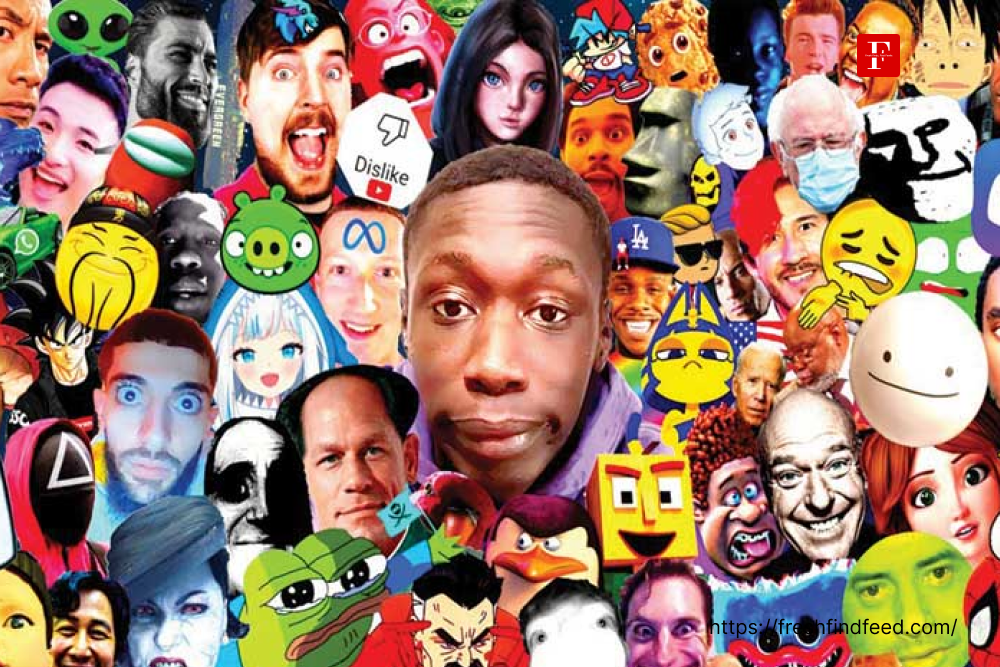
Each meme—whether it’s the Distracted Boyfriend, Drakeposting, or NPC Wojak—acts as a shared mental model. It’s how society mirrors itself.
Absurdity as Insight: Humor as a Coping Mechanism
Philosophers have long argued that humor reveals the absurdity of life. Meme culture takes this idea and amplifies it.
When life feels meaningless, we don’t write existential essays—we post “me after overthinking my purpose for 3 hours” with a crying emoji. It’s the Camusian absurdity, but with captions.
Memes help us digest chaos. From political crises to heartbreaks, humor turns pain into shared experience. We’re not laughing because it’s funny; we’re laughing because it’s true.
Moral Relativism in a Template: The Philosophy of Irony
In meme culture, irony reigns supreme. Every statement is layered with sarcasm, meta-commentary, or emotional detachment.
This irony reflects our current moral landscape—one where sincerity feels risky and moral certainty feels outdated. Memes allow us to express complex emotional dualities: “I care, but also I don’t want to be cringe.”
In a way, memes embody postmodern thought: no absolute truths, just endless reinterpretations. Every meme template becomes a philosophical sandbox where ideas mutate and evolve—one remix at a time.
Digital Stoicism: Coping with Anxiety, One Meme at a Time
When Marcus Aurelius wrote Meditations, he was journaling about resilience and acceptance. Today, someone does the same through a meme captioned, “It is what it is 🧘.”
Memes distill stoic principles into modern vernacular. They teach detachment (“me not caring about things I can’t control”) and mindfulness (“main character energy”). It’s wisdom, but in 1080x1080 pixels.
This digital stoicism is especially evident among Gen Z, who grew up in chaos—pandemics, recessions, information overload. Their memes don’t deny struggle; they normalize it.

Collective Consciousness: The Hive Mind at Work
Memes spread like ideas on steroids. When a single meme goes viral, it becomes part of the collective psyche. Everyone who shares it adds a new nuance, shaping how entire communities interpret events.
Think of memes about capitalism, burnout, or climate change—they don’t just entertain; they mobilize emotions. They’re a new form of activism, philosophy, and community-building rolled into one.
A viral meme is essentially a philosophical argument that wins by laughter instead of logic.
The Existential Meme: Laughing Through the Void
There’s an entire genre of memes built around existential despair—characters like “Doomer,” “Wojak,” and “Soyjak” are avatars of modern malaise. They represent the emptiness of endless scrolling, the fatigue of self-awareness, and the yearning for meaning.
These memes mirror the same questions Sartre and Kierkegaard asked—only now they come with distorted faces and ironic captions. “Nothing matters lol” is the internet’s version of Being and Nothingness.
When Philosophy Becomes Shareable
Philosophy once belonged to scholars. Now, it belongs to everyone with Wi-Fi. Memes democratize intellectual discourse—allowing anyone to contribute, remix, and reinterpret big ideas.
A meme about “gaslighting” spreads faster than an academic essay on epistemology. A meme about burnout explains late-stage capitalism better than a Marxist text ever could—for this generation, humor has become the gateway to critical thought.
Memes make thinking social.
The Paradox of the Meme Age: Depth in Superficiality
Here’s the twist: in a world obsessed with memes, sincerity often hides behind humor. We joke about our trauma, depression, and existential dread—but every meme is a confession disguised as comedy.
We may laugh, but we’re also saying, “I feel this too.”
Memes make philosophy emotional again. They remind us that truth isn’t always in theory—it’s in the feeling.
Conclusion: The Meme as the Message
In many ways, meme culture has become our generation’s philosophy—chaotic, humorous, self-aware, and painfully honest. It doesn’t seek ultimate truth; it seeks connection. It reflects our time: fragmented, ironic, but yearning for meaning.
The next time you share a meme, pause for a second. You might just be spreading the next great philosophical idea—compressed into 30 kilobytes and infinite interpretations.


You Might Also Like
-
The Mystery of Magnetic People We’ve all met them — those people who walk into a room and instantly draw everyone in. They aren&rsq...
-
A shocking incident has left communities and authorities across two states on high alert. A 23-year-old medical student from Odisha was allegedly g...

Suggested Video