




The Rise of “Girl Therapy” Culture — and What It Says About Healing Online
Therapy, But Make It Aesthetic
Once upon a time, therapy was private.
Today, it’s pastel, journaled, and hashtagged.
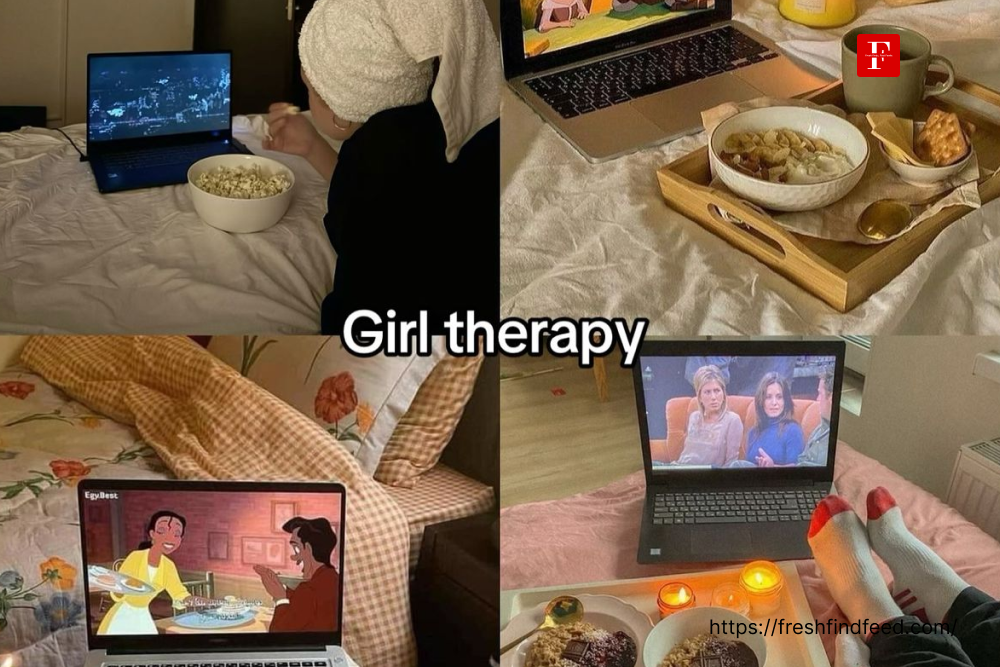
Across TikTok, Instagram, and YouTube, a new self-care phenomenon is flourishing — “girl therapy culture.” It’s less about traditional therapy and more about romanticizing the process of emotional healing: journaling by candlelight, crying in skincare routines, talking to yourself in the mirror, or taking “healing walks.”
It’s therapy, but make it relatable — make it beautiful.
From “hot girl walks” to “healing era” captions, this generation has turned emotional recovery into an aesthetic movement. But while it empowers many to prioritize mental health, it also blurs the line between genuine healing and performative wellness.
So what does “girl therapy” culture say about how we process pain — and post it?
From Stigma to Selfie: How Therapy Became Mainstream
There was a time when saying “I’m in therapy” was whispered. Now, it’s tweeted, vlogged, and worn proudly on a hoodie.
Over the last decade, therapy has moved from taboo to trend. Millennials and Gen Z have normalized mental health conversations, rejecting the “suck it up” culture of previous generations. But social media didn’t just destigmatize therapy — it glamorized it.
Enter the “girl therapy” aesthetic:
-
Long walks with iced lattes and affirmations.
-
Journals filled with manifestation prompts.
-
Emotional breakdowns set to Lana Del Rey or Mitski.
-
Quotes like “Healing is not linear” shared between friends and followers.
It’s not about being broken — it’s about being beautifully in progress.
The hashtag #HealingGirlEra has crossed millions of views. The message? Healing is trendy, soft, and shareable.
The Birth of the “Healing Girl” Persona
The “Healing Girl” isn’t just a trend — she’s a character.
She’s emotionally self-aware, constantly journaling, setting boundaries, going to therapy, and talking about “inner child work.”
She romanticizes small joys — morning sunlight, solo dates, therapy sessions, and saying no.
In a way, this movement reclaimed vulnerability.
It told young women: You don’t have to hide your emotions. You can own them — even post them.
But it also created an unspoken pressure: to heal beautifully.
Suddenly, even sadness had to be aesthetic — framed in good lighting, captioned poetically, and shared online. Emotional rawness turned into emotional branding.
The Psychology Behind “Girl Therapy” Culture
So why are we drawn to this?
Why has emotional pain become something we style and share?
Psychologists suggest several reasons:
a. Digital Vulnerability Feels Safer
It’s easier to share feelings in a caption than in conversation. The internet becomes a proxy therapist — a place where empathy comes as comments and likes.
b. Validation as Comfort
Posting about healing often earns positive feedback — “So proud of you”, “Same, girl”, “You’re glowing.”
This digital validation feels like emotional progress, even if it’s just recognition.
c. The Collective Therapy Effect
Seeing others heal normalizes your pain. It builds a sense of community — you’re not alone, you’re “healing with everyone else.”
In short, “girl therapy” culture transforms emotional recovery into a shared performance of softness, making vulnerability socially acceptable — even aspirational.
The Internet’s Version of Healing: Pretty, Polished, and Public
Real healing is messy — relapses, regressions, hard truths. But social media sanitizes the process.
The online version of healing often skips the ugly parts:
-
No mention of therapy bills or medication fatigue.
-
Little talk of relapse or burnout.
-
Endless visuals of lavender baths, clean sheets, and “main character energy.”
This is curated vulnerability — a highlight reel of healing.
It’s emotional labor turned into aesthetic content.
And when everyone around you seems to be “glowing up emotionally,” it can trigger comparison guilt — the idea that you’re healing wrong if it doesn’t look calm, cute, and cinematic.
The Commercial Side: When Healing Becomes a Brand
“Girl therapy” has become a marketing goldmine.
Brands have quickly aligned with the movement:
-
Skincare lines promising “inner peace in a bottle.”
-
Self-help journals priced like luxury handbags.
-
Apps that gamify mindfulness.
-
Influencers selling “healing playlists” and “anxiety candles.”
The message: You can buy your peace.
But healing isn’t a product.
It’s a process — one that no face mask or crystal can shortcut.
Still, the commercialization of self-care makes emotional wellness feel attainable, especially for young women seeking comfort in a chaotic world. The risk is when healing becomes consumption — when we start believing peace comes in a package.
The Good Side: Visibility, Normalization, and Empowerment
Let’s be clear — “girl therapy” culture isn’t all bad.
In fact, it’s one of the few digital trends that encourages self-reflection instead of comparison.
Positives include:
-
Destigmatization of therapy: Young women are openly discussing therapy, trauma, and boundaries.
-
Community support: Hashtags like #HealingGirlEra and #SelfCareSunday connect strangers through shared struggles.
-
Empowerment: It reframes self-work as strength, not shame.
-
Emotional literacy: People are learning the language of mental health through relatable content.
If social media can normalize anxiety and make self-compassion cool — that’s progress.
The Dark Side: Performative Healing and Emotional Capital
However, not all that glitters is growth.
Performative Healing
Posting about healing can become a substitute for actual healing.
It’s easy to confuse talking about growth with doing the work.
For instance, sharing “I’m setting boundaries” doesn’t automatically mean you are.
The dopamine rush from validation can mimic emotional progress — but it’s temporary.
Emotional Capital
Online vulnerability can also become a currency.
Influencers monetize their breakdowns through views, sponsorships, or sympathy.
As a result, pain becomes performative, and boundaries blur between authentic sharing and emotional branding.
When your trauma becomes your content, you risk losing ownership of your story.
Healing Offline: Reclaiming the Private Space
What does real healing look like beyond the screen?
It’s less cinematic, more consistent.
It’s crying without recording. Journaling without posting. Progress without proof.
Offline healing asks for patience, not perfection.
It’s sitting with silence, feeling uncomfortable emotions, and accepting growth as invisible.
Try this:
-
Go on a walk without your phone.
-
Write a letter you’ll never send.
-
Spend a day without documenting it.
-
Let your pain be private — it’s still valid.
Healing offline is how you return to yourself — without filters, hashtags, or feedback loops.
What “Girl Therapy” Culture Reveals About Us
This movement says a lot about our generation:
We are self-aware, emotionally intelligent, and hungry for peace — but also chronically online.
We want healing, but we also want witnesses.
We crave connection, but fear invisibility.
“Girl therapy” culture reflects our desire to control the narrative of our pain. It’s not that we don’t want to heal — we just want to be seen healing.
The irony? True healing often begins when nobody’s watching.
Conclusion: The Beauty of Unseen Growth
Healing doesn’t need to be aesthetic.
It needs to be authentic.
If social media helps you express, reflect, or find community — use it consciously. But remember: your healing isn’t content. It’s sacred.
You don’t owe anyone proof of your progress.
You’re allowed to heal quietly, privately, imperfectly.
Because the most beautiful version of healing isn’t shareable — it’s felt.

You Might Also Like
-
Chapter 1: What Are AI Agents? AI agents are autonomous or semi-autonomous systems capable of performing tasks traditionally handled by humans....
-
Marriage: From Social Contract to Love Story Marriage has never been just about romance. For centuries, it functioned as a social contract&mdas...


Suggested Video