




Odisha Artist at Global Music Festival: When Folk Beats Go Global
When Odisha Found Its Global Stage
In a city buzzing with skyscrapers and neon, a rhythmic dhol echoes through Hong Kong’s Victoria Harbour.
Crowds that have never heard of Sambalpuri folk music begin clapping to its hypnotic beat.
At the center stands Satyajit Pradhan, an Odia folk musician from Balangir — dressed in handwoven Ikat, singing verses that blend tradition, percussion, and raw storytelling.
It’s not just a performance. It’s a moment of cultural diplomacy, where the rhythms of Odisha find harmony with the world.
As India’s soft power expands through art and culture, voices like Satyajit’s are redefining what it means to represent India abroad — not from Delhi or Mumbai, but from the heart of Odisha.
The Journey: From Balangir to Hong Kong
Satyajit grew up surrounded by folk songs — from Dalkhai to Rangabati. His father played the mardala, and his mother hummed Desia lullabies while working in the fields.
Music wasn’t just sound; it was heritage passed down in oral rhythm.
But his dream was to take this sound beyond the state, to audiences who had never heard Odia folk.
Years of small performances, collaborations with tribal musicians, and self-produced digital releases finally led to the big call — an invitation to perform at the Hong Kong World Culture Music Festival 2025.
Representing India in a lineup that included African drummers, Korean indie bands, and Latin jazz groups, Satyajit stood on stage carrying not just his instrument, but his homeland.
“When I sang ‘Rangabati’ on that stage,” he recalls, “it wasn’t just me singing — it was my entire village.”
The Global Festival Scene: Where Cultures Converse
International music festivals like the one in Hong Kong are not just entertainment events — they’re melting pots of identity, diplomacy, and cultural storytelling.
Governments, cultural boards, and NGOs often sponsor artists who can represent traditional art forms in contemporary formats.
India’s presence has grown in recent years, with Odissi dancers, folk drummers, and tribal singers finding space beside classical maestros.
Satyajit’s inclusion marks a milestone for Odisha, a state often overshadowed in India’s cultural exports despite its deep artistic lineage.
From Gotipua dance to Mahari traditions, Odissi music to tribal percussions, Odisha’s soundscape is one of India’s oldest — yet least globally amplified.
This performance wasn’t just about music — it was a cultural bridge, stitching Odisha’s folk heritage into the global fabric of world music.
The Sound of Odisha: Folk Roots, Modern Reach
Odisha’s folk music is as diverse as its geography. Each region carries its rhythm, story, and social soul.
-
Western Odisha: Dalkhai, Rangabati, Sambalpuri folk, Karma Naach
-
Southern Odisha: Desia songs, Dongria Kondh chants, Kotpad tribal beats
-
Coastal Odisha: Pala, Daskathia, Gotipua devotional performances
For centuries, these were community-driven — sung at festivals, marriages, or harvests. But globalization and migration diluted their spaces.
Now, with artists like Satyajit blending traditional beats with electronic layers or world percussion, these songs are finding new life on global playlists.
One of his signature performances — “Matir Swara” (Voice of the Soil) — fuses the tribal Kundhei rhythm with Japanese taiko drums, symbolizing unity through percussion.
It’s Odisha — remixed, reimagined, reborn.
Cultural Diplomacy in Action: When Art Becomes a Language
Satyajit’s performance in Hong Kong wasn’t just a concert — it was soft diplomacy set to music.
In the audience were diplomats, artists, and global media outlets who saw, many for the first time, an Odia artist performing not Bollywood, but authentic regional folk.
The Indian Consulate in Hong Kong supported the performance under the Azadi Ka Amrit Mahotsav cultural outreach program, part of India’s broader strategy to project its cultural diversity abroad.
Music became a language of connection — breaking barriers of accent and geography.
As one festival curator said,
“We’ve hosted Indian classical before — but this was different. This was the sound of India’s villages, raw and real.”
It showed the world that India’s cultural story isn’t written only in sitars and ragas — it’s sung in drums, dialects, and devotion.
The Representation Shift: From Classical to Folk
For decades, India’s international art presence leaned heavily toward classical forms — Bharatanatyam, Kathak, Hindustani, and Carnatic music.
Folk art, especially from states like Odisha, often remained in the background.
But global audiences today crave authenticity over perfection, rhythm over recital.
This shift has opened doors for folk revivalists who perform with heart, not hierarchy.
Odia folk, with its earthy percussion and storytelling lyrics, fits perfectly into the “world music” narrative — diverse, vibrant, and deeply human.
Artists like Satyajit, and collectives like Dhauli Beats and Tribal Tempo Odisha, are ensuring that Odisha’s cultural voice travels far beyond its borders.
The Performance: Odisha Meets the World
At the Hong Kong festival, Satyajit’s 40-minute set opened with a mardala solo, followed by a haunting rendition of “Rangabati Reimagined.”
He then performed “Desia Dreams”, an experimental track blending tribal chants with violin and flute.
Visual projections showcased Odisha’s temples, rivers, and handloom motifs — turning the performance into an audio-visual love letter to the state.
By the final note, the crowd — a mix of cultures and continents — was on its feet, chanting along to a language they didn’t understand, but felt deeply.
That’s the power of folk — you don’t need translation to feel belonging.
The Globalization of Folk: Technology as Bridge
The digital era has democratized what once felt distant.
Today, a folk musician from Kalahandi can upload a video that goes viral in Europe overnight.
Platforms like YouTube, Spotify, and Instagram Reels have turned folk art into global content, where algorithms amplify authenticity.
Satyajit’s Hong Kong invite came after his reel of “Matir Swara” reached 2 million views on Instagram.
He didn’t have a PR team or label — just rhythm, consistency, and a community of believers.
This is the new face of Indian cultural export — grassroots gone global.
Challenges Behind the Applause
But global stages don’t erase local struggles.
Folk artists in Odisha often face:
-
Limited financial support and dependence on short-term government schemes.
-
Lack of infrastructure, instruments, or training facilities.
-
Minimal recognition, overshadowed by Bollywood-driven narratives.
Satyajit admits,
“We perform abroad, but back home, many still think folk is ‘village entertainment’. We need to value our roots before others do.”
This paradox defines many traditional artists — celebrated globally, yet underappreciated locally.
The revival of folk art demands not just exposure, but ecosystem building — with grants, music education, and mainstream inclusion.
Odisha’s Cultural Renaissance: Art as Identity
The success of Satyajit’s performance adds to a growing list of Odia artists gaining international visibility — from Gotipua dancers performing in Europe to Odissi maestros headlining global festivals.
Together, they represent a new wave of Odisha’s cultural renaissance, one that fuses art, diplomacy, and identity.
Odisha’s art forms — handloom, silver filigree, folk music, Pattachitra painting — are becoming instruments of soft power, telling stories of resilience and creativity to global audiences.
These aren’t just performances; they’re cultural dialogues, where Odisha speaks not just through words, but through rhythm, motion, and melody.
The Way Forward: Making Odisha Heard
The Hong Kong stage was a triumph — but it’s also a beginning.
For Odisha’s folk music to thrive globally, it needs sustained infrastructure, mentorship, and digital amplification.
Here’s what the future could look like:
-
Cultural Exchange Programs: Regular artist residencies abroad.
-
Music Documentation Projects: Archiving Odisha’s folk songs for global study.
-
Collaborations: Between Odia and international musicians for fusion albums.
-
Festival Inclusion: Dedicated Odia folk segments in major Indian and world festivals.
-
Youth Involvement: Schools and colleges integrating folk learning into art curriculums.
Odisha has always been rhythmic — it just needs amplification, not alteration.
Conclusion: The Beat That Belongs Everywhere
When Satyajit played his final note under the neon glow of Hong Kong’s skyline, something profound happened — the crowd went silent, then erupted into applause that transcended borders.
For a few minutes, Balangir met Beijing, Sambalpuri beats danced with Seoul, and the sound of Odisha became a sound of the world.
That’s the beauty of art — it doesn’t travel through maps; it travels through hearts.
And as Odisha’s artists continue to carry their drums, voices, and looms across oceans, they remind us that culture is the truest form of diplomacy — and sometimes, a single folk song can represent a thousand years of civilization.


You Might Also Like
-
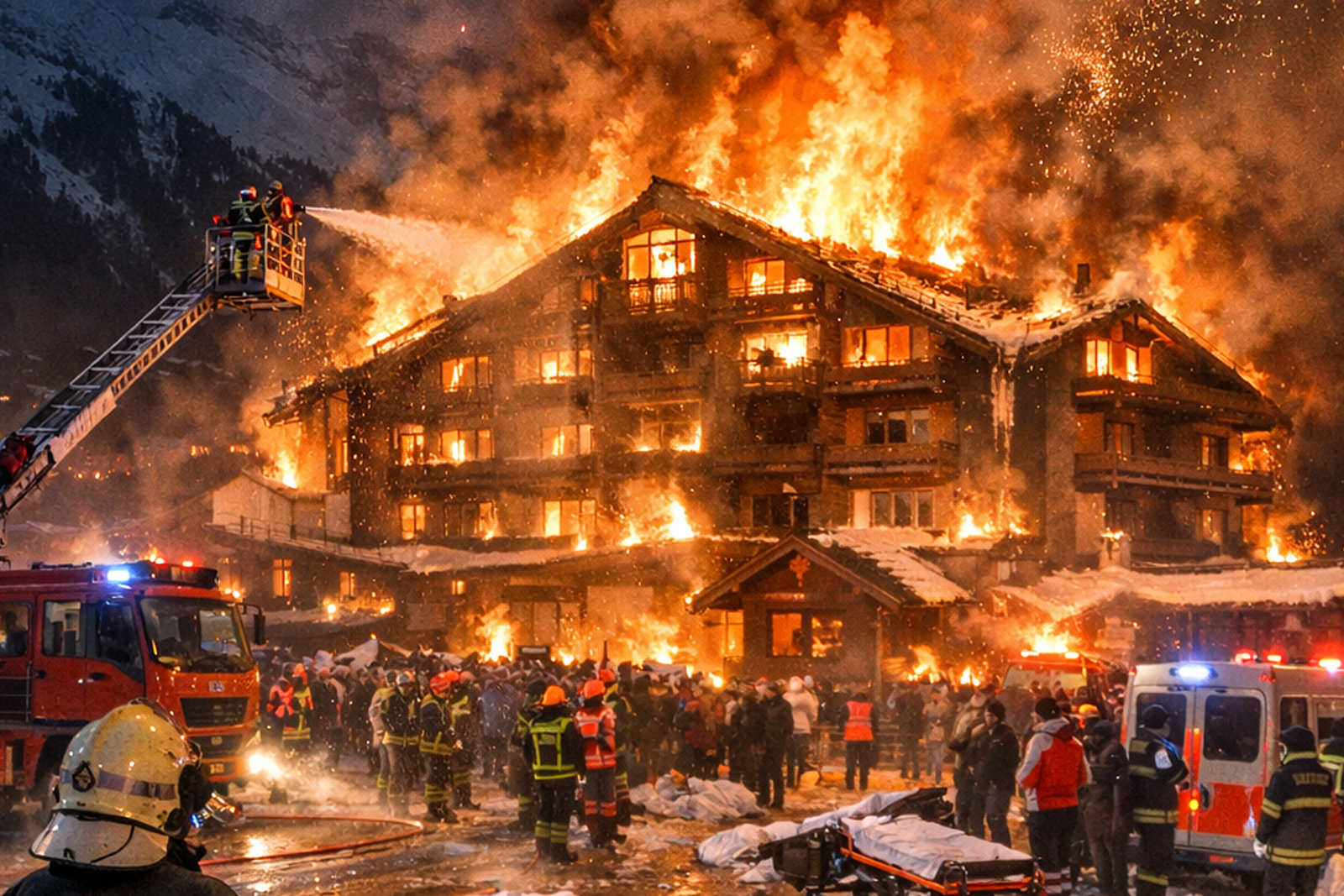
A devastating fire tore through a crowded bar at a Swiss ski resort during New Year celebrations, killing at least 40 people and leaving 115 others...
-
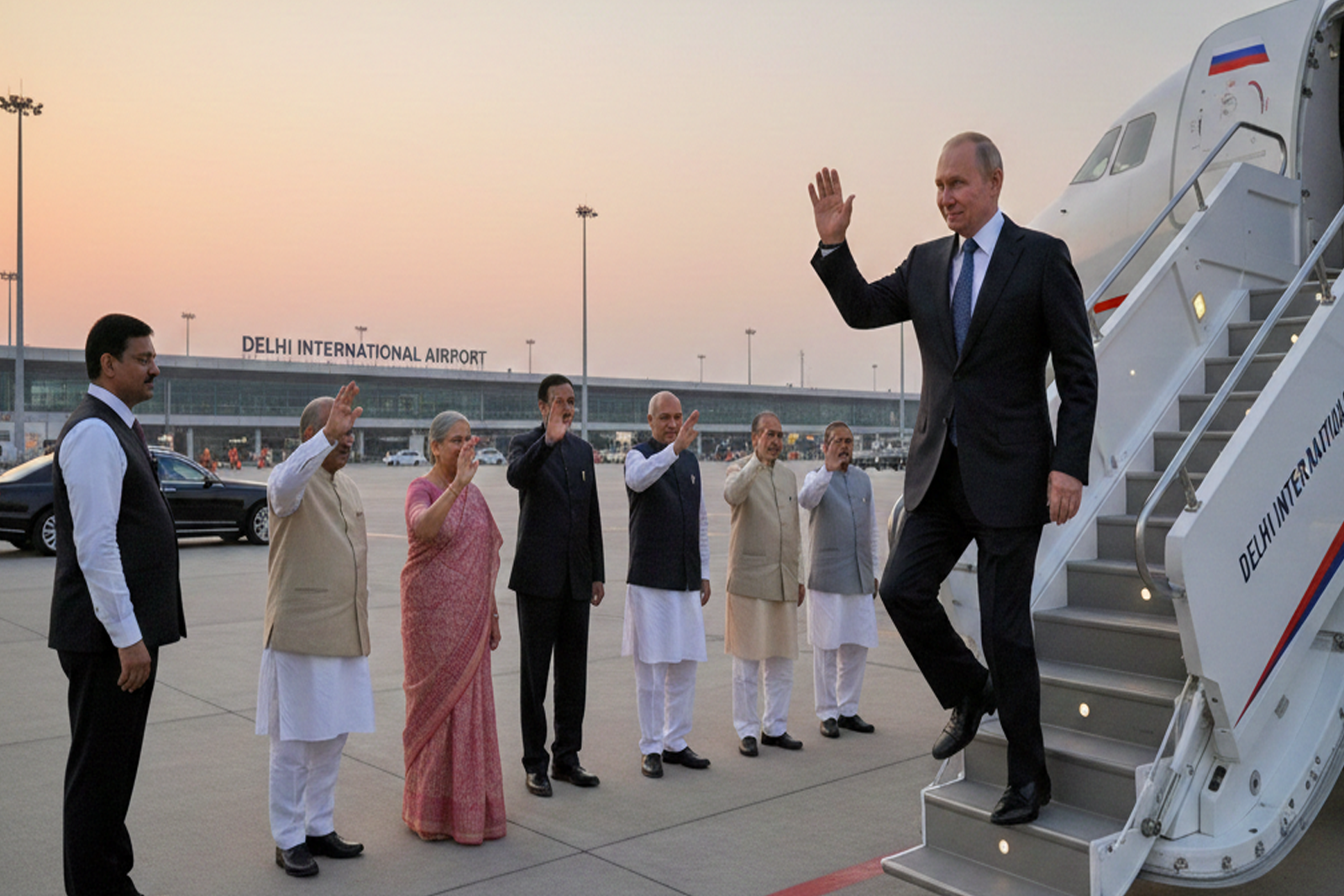
Russian President Vladimir Putin has departed for Moscow after completing his official visit to India earlier today. His two–day stay consist...
Suggested Video