






The Return of Traditional Indian Remedies in Modern Skincare
For decades, the global beauty industry has been obsessed with chemical serums, anti-aging acids, and high-tech skincare routines. But lately, something surprising is happening: the future of skincare seems to lie in the past.
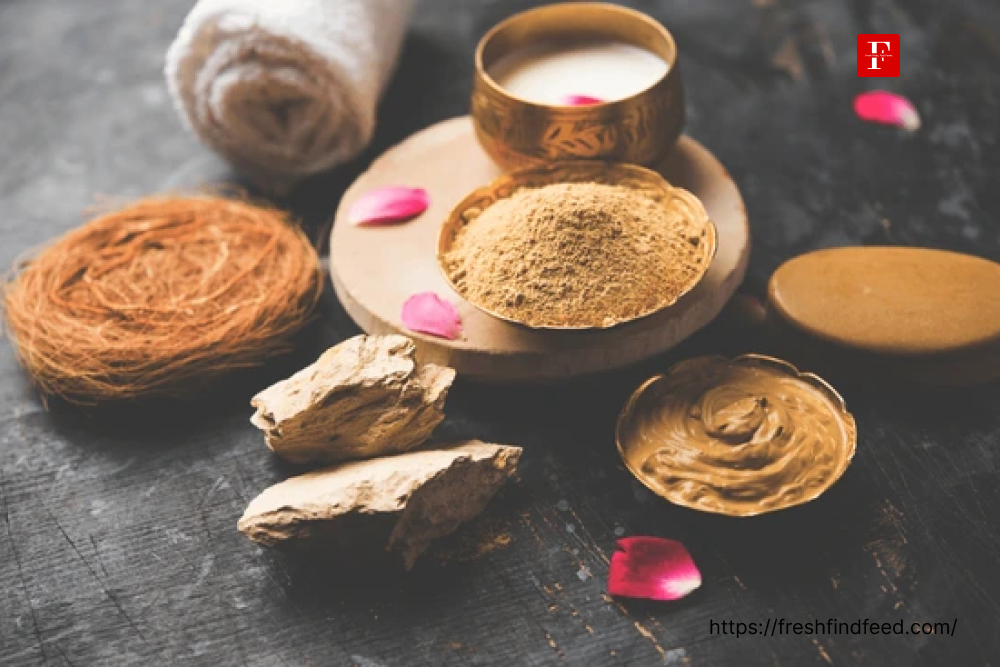
Across India — and increasingly, across the world — consumers are turning back to traditional Indian remedies rooted in Ayurveda, Unani, and folk practices. Ingredients like turmeric, neem, sandalwood, and rosewater are reclaiming their spot on vanities, while modern brands are blending ancient formulations with new-age science.
This isn’t nostalgia — it’s a revolution. The modern skincare industry, once dominated by Western standards, is rediscovering the power of Indian heritage, one herbal concoction at a time.
The Ancient Roots of Indian Skincare
India’s skincare legacy dates back over 5,000 years, embedded deeply within Ayurveda, the ancient science of holistic living. Unlike modern dermatology, Ayurveda views beauty not as surface-level glow but as an extension of inner balance — swasthya (health) and saundarya (beauty) are interconnected.
Ayurvedic texts like the Charaka Samhita and Sushruta Samhita detail beauty rituals involving herbs, oils, and minerals — each chosen to align with one’s dosha (body type). Turmeric for purification, sandalwood for cooling, rose for hydration, and sesame oil for nourishment — these weren’t just ingredients, they were philosophies in jars.
Traditional skincare wasn’t about covering flaws; it was about restoring harmony. Rituals like ubtan (herbal exfoliating paste), abhyanga (oil massage), and shirodhara (head oil therapy) remain timeless because they address body, mind, and spirit — something no lab-made cream can fully replicate.
Why Ancient Is the New Modern
So, why are these old remedies suddenly trending again? Three words: awareness, authenticity, and anxiety.
In the wake of rising skin sensitivities, allergies, and “product fatigue” from synthetic-heavy cosmetics, consumers are questioning what goes on their skin. The pandemic accelerated a wellness awakening — people began reading ingredient labels, exploring natural alternatives, and realizing that grandma’s “haldi-chandan” mix might be safer than a $200 imported serum.
According to a 2024 report by Euromonitor International, the Indian herbal beauty market grew by 23% in just two years, outpacing the overall cosmetics sector. Even Western brands like The Body Shop and L’Oréal are introducing turmeric masks and coconut-oil-based cleansers — a direct nod to Indian ingredients.
This “green beauty” wave isn’t just about going natural; it’s about trust. Consumers today want transparency and heritage. They want products that feel rooted, not fabricated.
The Ingredients Making a Comeback
Here’s a look at the ancient heroes turning modern heads:
🌼 Turmeric (Haldi): The Golden Healer
Long before turmeric lattes went global, this spice was Indian skincare’s holy grail. Curcumin, its active compound, has anti-inflammatory and antibacterial properties that calm acne, even out pigmentation, and give the skin its natural glow.
Modern brands now encapsulate curcumin into nano-form for deeper penetration — fusing old magic with new tech.
🍃 Neem: Nature’s Detoxifier
Once used in village baths and hair oils, neem fights acne-causing bacteria and clears impurities. In urban skincare, it’s showing up in cleansing balms and serums as a natural antibacterial agent, replacing harsh sulfates and parabens.
🌹 Rose & Rosewater: The Gentle Balancer
Used by queens and healers alike, rosewater tones and hydrates without irritation.
It’s now back in minimalist beauty routines — mist sprays, face masks, and hydrating gels — offering a delicate bridge between tradition and luxury.
🌰 Sandalwood: The Cooling Elixir
Sandalwood’s cooling nature soothes inflammation and brightens skin. Ayurvedic practitioners have used it to treat everything from heat rashes to pigmentation. Today, ethical sandalwood sourcing and lab-grade extractions have made it eco-friendly and potent once again.
🌿 Aloe Vera, Tulsi, and Multani Mitti
Aloe vera hydrates, tulsi purifies, and multani mitti detoxifies — all common in traditional Indian homes. Modern skincare is rediscovering them through masks, toners, and lightweight gels designed for tropical climates.
Ayurveda Meets Innovation — The Modern Rebirth
The new face of Indian skincare is fusion — blending ancient botanicals with dermatological precision.
Brands like Forest Essentials, Kama Ayurveda, and Just Herbs pioneered this hybrid movement by maintaining authentic Ayurvedic processes while adding clinical backing. Meanwhile, newer startups like T.A.C (The Ayurveda Co.), Sadhev, and Earth Rhythm are making Ayurvedic skincare more accessible and data-driven.
For instance:
-
Vitamin C serums now use amla (Indian gooseberry) as a natural source.
-
Retinol alternatives are emerging from bakuchi (a plant extract known in Ayurveda for its rejuvenating effect).
-
Natural exfoliants use rice husk or lentil flour instead of microplastics.
These brands are not rejecting science — they’re redefining it through tradition. This balance of credibility and cultural pride is what makes Indian beauty’s revival globally relevant.
The Globalization of Indian Beauty (Desi Goes Global)
Indian skincare’s resurgence isn’t confined to India. From New York to Tokyo, international consumers are embracing “desi beauty.”
Global influencers rave about ubtan masks, chandan scrubs, and rosewater toners. K-beauty, once the face of innovation, now finds competition in I-beauty (Indian beauty) — a term coined by beauty editors to describe Ayurvedic-inspired skincare.
Celebrities like Priyanka Chopra Jonas have amplified this movement, promoting her own Indian-rooted brand, Anomaly, while crediting homemade haldi masks for her skin. Even Hollywood skincare lines now feature “Ayurvedic infusions,” tapping into India’s botanical heritage.
Exports of Indian herbal cosmetics have risen by 35% since 2022, especially to the US, UK, and UAE. What once seemed “local” is now aspirational — India’s age-old beauty rituals are redefining luxury in global terms.
Science Backs Tradition
Skeptics often question whether these ancient ingredients really work or if it’s all marketing nostalgia. Science says: they do.
Studies published in journals like Phytotherapy Research and The Journal of Ethnopharmacology have validated the efficacy of several Indian botanicals:
-
Turmeric extract reduces acne lesions and inflammation.
-
Neem oil fights fungal infections and boosts skin barrier recovery.
-
Sandalwood oil reduces pigmentation and sun damage.
Pharmaceutical labs are now isolating plant-based compounds that mimic the effects of synthetic actives — minus the side effects. This scientific validation is bridging ancient rituals with modern evidence, finally giving India’s beauty wisdom the global legitimacy it always deserved.
Sustainable and Ethical Beauty — Another Ancient Lesson
One underrated aspect of traditional Indian beauty is sustainability.
Before “eco-friendly” was a buzzword, our ancestors practiced zero-waste skincare — reusing kitchen ingredients, avoiding packaging, and sourcing locally.
Modern Ayurvedic brands are reintroducing this ethos:
-
Refillable glass bottles instead of plastic.
-
Ethically sourced sandalwood and herbs.
-
Cruelty-free, vegan formulations aligned with ancient ahimsa (non-violence).
This conscious return aligns perfectly with Gen Z and millennial values — sustainability, transparency, and cultural authenticity. In an era of mass production, handcrafted ghee-based moisturizers or cold-pressed oils carry both meaning and memory.
Challenges — Between Authenticity and Commercialization
But not all that glows is gold. The commercialization of traditional remedies comes with pitfalls.
As Ayurveda goes mainstream, many brands are diluting ancient principles to chase trends. Some use “Ayurvedic” as a marketing buzzword while loading formulas with synthetic stabilizers. Others misappropriate sacred symbols for aesthetic appeal.
There’s also the issue of standardization — since natural ingredients vary by region and season, maintaining consistency and safety requires modern regulation and testing. The Ministry of AYUSH in India is now pushing stricter quality controls to ensure Ayurvedic skincare maintains authenticity.
The key is balance — preserving tradition without losing scientific rigor, honoring heritage without exploiting it.
The Future — From Ritual to Routine
As we move deeper into the sustainability era, the line between beauty and wellness will blur even more. The future of skincare isn’t just about looking good — it’s about feeling well.
Imagine:
-
Personalized skincare routines based on your Ayurvedic dosha analysis.
-
AI-powered diagnostics suggesting herbal ingredients for your skin type.
-
Beauty products developed through eco-conscious supply chains using regenerative farming.
India, with its blend of ancient knowledge and tech innovation, is uniquely positioned to lead this movement. The comeback of traditional remedies isn’t regression — it’s evolution.
Conclusion
What was once dismissed as “old wives’ tales” is now being rediscovered as ancient science. From turmeric to tulsi, Ayurveda’s wisdom is rewriting the beauty industry’s DNA — not by rejecting modernity, but by grounding it in centuries of holistic understanding.
In this age of instant gratification, these traditional practices remind us that true beauty takes time — it’s nurtured, not manufactured.
The world is finally realizing what India has known all along: sometimes, the best skincare secrets aren’t found in labs, but in legacy.


You Might Also Like
-
Search Intensifies as Geopolitical Tensions Rise The urgent search for a missing U.S. airman has drawn international attention, as rescue teams...
-
Iran Claims Second U.S. Jet Downed as Gulf Tensions Escalate The already volatile situation in the Middle East has intensified after Iran&rsquo...


Suggested Video