






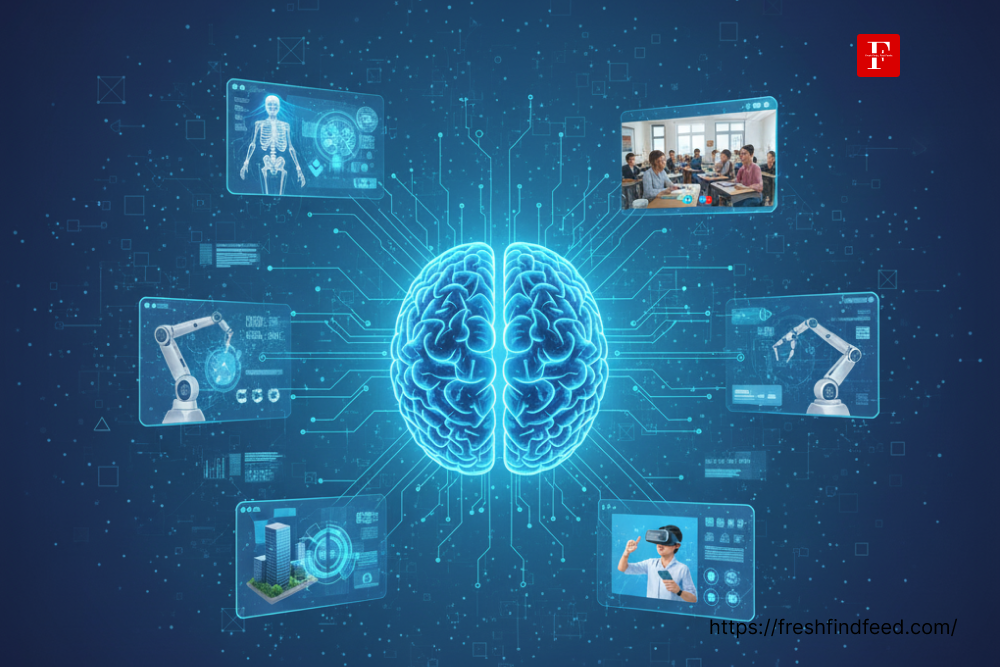
The Role of Technology in Education: Beyond Online Classes
When most people think of technology in education, online classes and Zoom lectures probably come to mind. But the reality is far broader—and far more exciting. From AI tutors to interactive simulations, technology is reshaping how, what, and where we learn. In an era where knowledge is abundant but attention is scarce, EdTech innovations are helping students, teachers, and institutions thrive.
Personalized Learning Through AI
Artificial Intelligence isn’t just for self-driving cars; it’s revolutionizing classrooms:
-
Adaptive Learning Platforms: AI algorithms analyze student performance to tailor lessons according to individual strengths and weaknesses.
-
Smart Tutoring Systems: Virtual tutors provide instant feedback, clarify doubts, and track progress.
-
Data-Driven Insights: Teachers can identify learning gaps and intervene before students fall behind.
Example: Platforms like DreamBox and Coursera use AI to adapt lessons in real-time, ensuring students stay engaged and challenged.
Gamification: Making Learning Fun
Technology transforms education into an interactive, immersive experience:
-
Game-Based Learning: Lessons presented as challenges, quests, or simulations boost engagement and retention.
-
Reward Systems: Badges, points, and leaderboards motivate learners to progress.
-
Virtual Labs & Simulations: Students can experiment in a risk-free, virtual environment, from chemistry labs to historical recreations.
Gamification doesn’t just make learning entertaining—it makes it more memorable and effective.
Expanding Access to Education
Technology breaks down barriers of geography, economy, and physical ability:
-
E-Learning Platforms: MOOCs (Massive Open Online Courses) allow anyone with an internet connection to access world-class education.
-
Assistive Technologies: Tools like screen readers, speech-to-text, and closed captions ensure inclusivity.
-
Mobile Learning: Smartphones and tablets bring education to remote areas where schools are scarce.
Fact: According to UNESCO, digital learning tools have increased educational access for millions of students in developing countries.
Collaboration Beyond Borders
Education today is increasingly global and collaborative:
-
Virtual Classrooms: Students from different countries can collaborate on projects in real-time.
-
Discussion Forums & Social Learning: Platforms like Edmodo and Slack encourage peer-to-peer learning.
-
Global Competitions & Hackathons: Technology connects young innovators to international challenges and mentorship.
Learning is no longer confined to a single classroom—it’s a global experience.
Preparing Students for the Future
Technology equips learners with skills needed for the modern world:
-
Digital Literacy: Understanding tools, platforms, and online etiquette is essential.
-
Critical Thinking & Problem Solving: Interactive tech encourages analytical reasoning and creativity.
-
AI & Coding Skills: Exposure to emerging tech prepares students for future careers.
Education isn’t just about memorizing facts anymore; it’s about developing adaptable, tech-savvy minds.
Challenges and Considerations
While technology has enormous potential, there are hurdles:
-
Screen Time & Health: Excessive digital learning can affect vision, posture, and mental health.
-
Digital Divide: Inequality in access to devices and the internet can widen educational gaps.
-
Over-Reliance on Technology: Teachers and students must balance tech use with critical thinking and interpersonal skills.
Responsible integration ensures that technology enhances learning rather than replacing human interaction.
Practical Ways to Leverage Technology in Education
-
Blended Learning: Combine online tools with traditional teaching for the best outcomes.
-
Interactive Assignments: Use quizzes, videos, and simulations to make content engaging.
-
Regular Feedback: Digital tools allow teachers to give personalized feedback efficiently.
-
Professional Development: Educators can upskill via webinars and online courses to stay ahead.
The key is purposeful integration, not just adopting tech for the sake of it.
Conclusion
Technology in education is far more than online classes. It’s personalized, immersive, collaborative, and globally accessible. By thoughtfully integrating EdTech, we can create learning environments that not only teach knowledge but also cultivate curiosity, critical thinking, and adaptability. The classroom of the future isn’t just digital—it’s smart, inclusive, and limitless


You Might Also Like
-
The Decade That Shapes Your Financial Destiny Your 20s are confusing enough — you’re balancing career dreams, social pressures, and...
-
Back to the Future: The Retro-Tech Revival Scroll through TikTok or Instagram today, and you’ll see a curious trend: teenagers snapping p...


Suggested Video