




Air India’s Ambitious Fleet Expansion: What 300 New Jets Could Mean for India’s Aviation Future
A Jet-Set Vision Takes Off
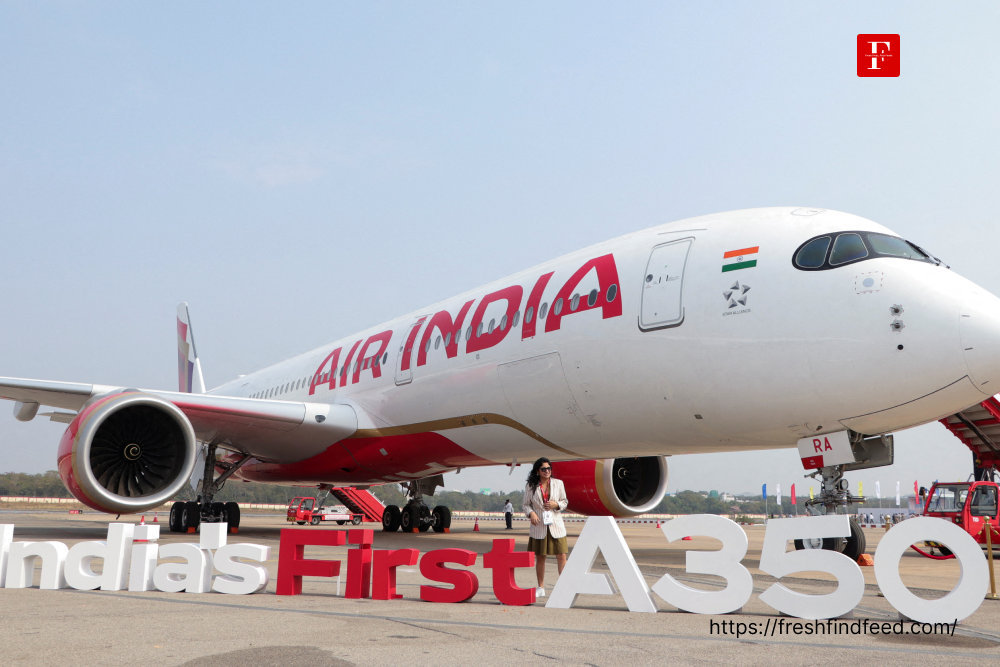
Air India is quietly entering a new era. Under the Tata Group’s ownership and its Vihaan.AI transformation program, the airline is in talks to acquire up to 300 new aircraft — including a big chunk of wide-body jets. India Today+3Reuters+3The Times of India+3 Meanwhile, it’s also upgrading its existing fleet and refurbishing wide-body cabins.
This isn’t just about growing seats; it’s about matching India’s fast-growing demand for air travel, global connectivity, and cargo capability. But what might this expansion really mean — for Air India, for competition, for passengers, and for the aviation ecosystem at large?
The Scale & Composition of the Expansion
📈 Numbers in Play
-
Air India is in advanced negotiations with Airbus and Boeing to acquire up to 300 aircraft — sources say this may include 80-100 wide-body jets in addition to a large number of narrow-body aircraft.
-
Earlier, there were firm orders & LOIs for 470+ aircraft (both narrow-body and wide-body) under the Vihaan.AI plan.
-
Also, recently Air India added 100 more Airbus aircraft (10 A350 widebody + 90 narrow-body A320 family) on top of existing orders.
🛫 What Types & Roles
-
Wide-body jets will fuel international expansion, longer non-stop flights, high-volume routes, and cargo capacity.
-
Narrow-body / single-aisle aircraft will reinforce domestic and short-haul international connectivity. These are useful for frequency, less fuel per trip, easier turnaround.
Impacts on Air India: Capabilities & Challenges
✅ Enhanced Capabilities
-
International reach: More wide-body jets allow Air India to launch or scale up long haul / ultra-long haul routes — Americas, Europe, new Asia routes.
-
Cargo boost: With more belly space in long-haul planes and greater frequency, Air India can expand cargo capacity. There are plans to grow cargo volume by 300% over next 5 years.
-
Fleet modernisation: Replacing older aircraft, retrofitting interiors, improving passenger experience. This helps compete globally.
⚠️ Key Challenges
-
Financing & delivery: Ordering 300 jets is one thing; securing deals, financial structures, and full delivery chains is another. Supply chain disruptions globally, order backlogs, production constraints might slow things.
-
Training & manpower: More planes means need for more pilots, crew, ground staff, engineers, maintenance experts. Scaling up human resources will be essential.
-
Maintenance & reliability: Larger, newer fleets require robust MRO (maintenance, repair, overhaul) infrastructure. If not managed well, delays and reliability issues can hamper attractiveness.
-
Regulatory & safety oversight: After incidents (e.g. the June 2025 Dreamliner crash), safety perception is especially sensitive. Ensuring regulatory compliance, thorough inspections (e.g. DGCA inspecting emergency power systems) is critical. Reuters
What It Means for India’s Aviation Market & Competition
🔍 Domestic Competition & Connectivity
-
With more capacity, Air India can compete more aggressively on domestic and metro-metro routes, possibly challenging carriers like IndiGo, Vistara/Air India (integrated), Akasa, etc.
-
Frequency of flights could increase, fares may become competitive, and underserved or Tier-2/Tier-3 city connectivity might improve.
🌍 Global Positioning
-
India’s aviation landscape is fast becoming more global. Bigger, modern fleets help Put Air India in competition with major international carriers.
-
This arms race may encourage other Indian airlines to also upgrade.
-
Airports, ground infrastructure, air traffic control, and bilateral / overflight rights will increasingly matter.
📦 Cargo & Trade
-
India plans to grow total air cargo handling closer to 10 million tonnes by 2030. Air India’s expansion helps push that goal. Air India
-
More flights = more options for exports, especially high-value or time-sensitive goods. Also for imports.
Broader Impacts: Economy, Environment & Infrastructure
💼 Economic Multipliers
-
Job creation in pilot training, maintenance, cabin crew, ground operations, airport services.
-
Boost to associated industries: aviation engineering, supply chain parts, interiors, catering, navigation services.
-
Increased tourism and business travel as connectivity improves.
🌱 Environmental Pressures & Sustainability
-
New aircraft ideally are more fuel-efficient, with lower per-seat emissions. Wide-body A350s, newer 787s, etc., help reduce carbon footprint per passenger.
-
But more flights overall = more emissions in aggregate. Striking a balance will require sustainable aviation fuels, carbon offset policies, perhaps regulatory constraints.
🛬 Infrastructure & Airspace Bottlenecks
-
Airports will face more demand for gates, runways, air traffic control slots. Major hubs like Delhi, Mumbai, Bengaluru will need capacity expansions.
-
Maintenance facilities & MRO hangars will need scaling. Support services and supply networks must keep pace.
Risks & What to Watch Out For
-
Delay in delivery: Aircraft manufacturers have backlogs; delays are common. If deliveries are postponed, expansion plans can lag.
-
Cost inflation: Fuel cost, interest rates, maintenance costs could eat margins. Aircraft operating cost volatility is always a factor.
-
Overcapacity risk: If multiple airlines expand, might get surplus supply vs demand — could pressure fares downward, affect profitability.
-
Safety & Reputation: Any mishap could have magnified impact when you run a large fleet; trust matters hugely in aviation.
Sky’s the Start, But Strategy Must Hold
Air India’s possible addition of ~300 jets is more than a fleet boost — it’s a signal. It represents Indian aviation stepping into a new league: bigger, more ambitious, more globally connected.
If done right, this expansion could reshape the way Indians travel, the way India trades, and the way India is perceived in the global skies. But challenges abound — finance, infrastructure, safety, environment. Growth in scale must be matched with growth in capability.
Because adding wings is easy; building wings that soar reliably, safely, and profitably — that’s the real transformation.


You Might Also Like
-
Khaleda Zia, former prime minister of Bangladesh and one of the most influential figures in the country’s political history, passed away at t...
-
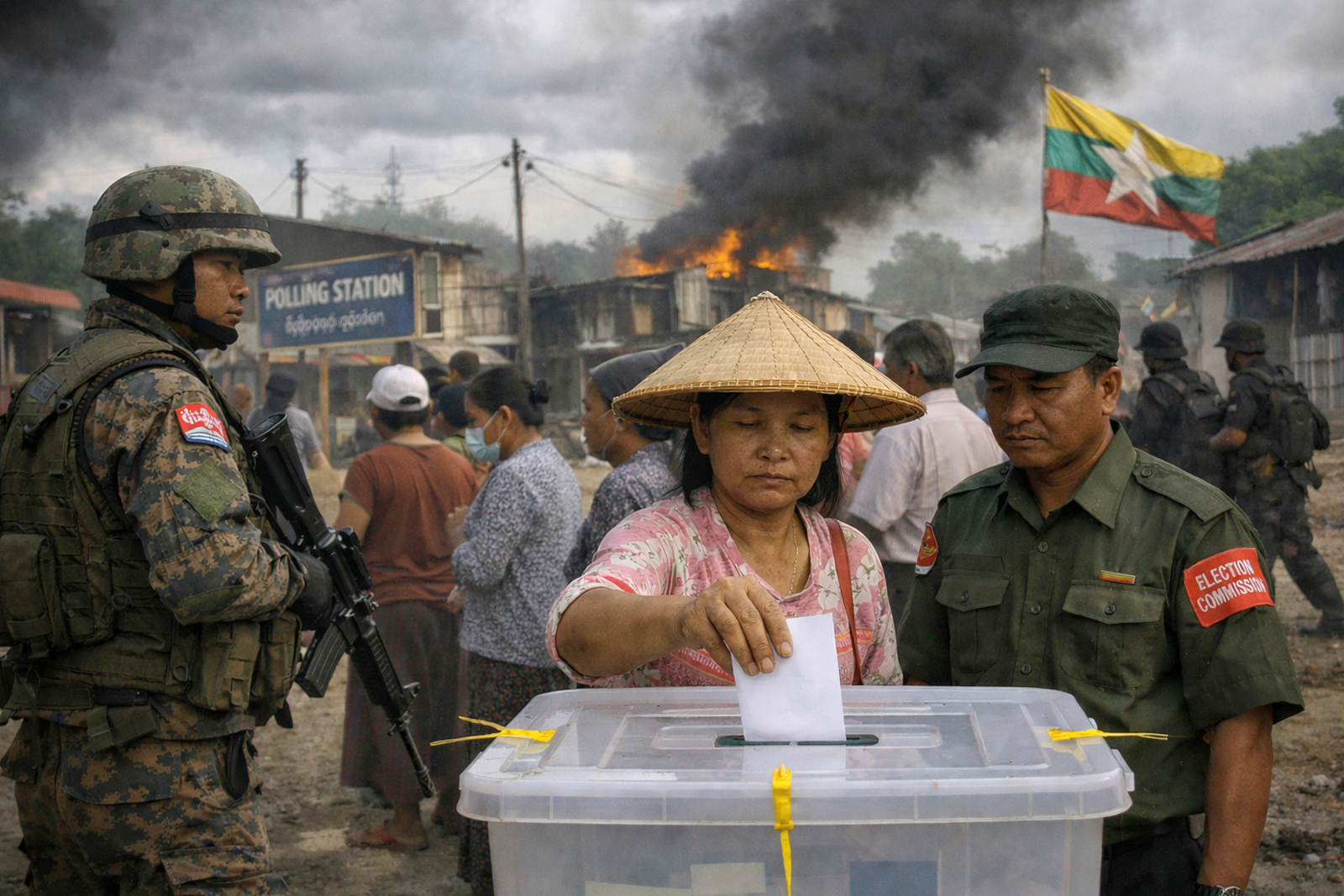
Myanmar has moved forward with a long-delayed election despite the country being deeply affected by armed conflict, displacement, and political ins...

Suggested Video