


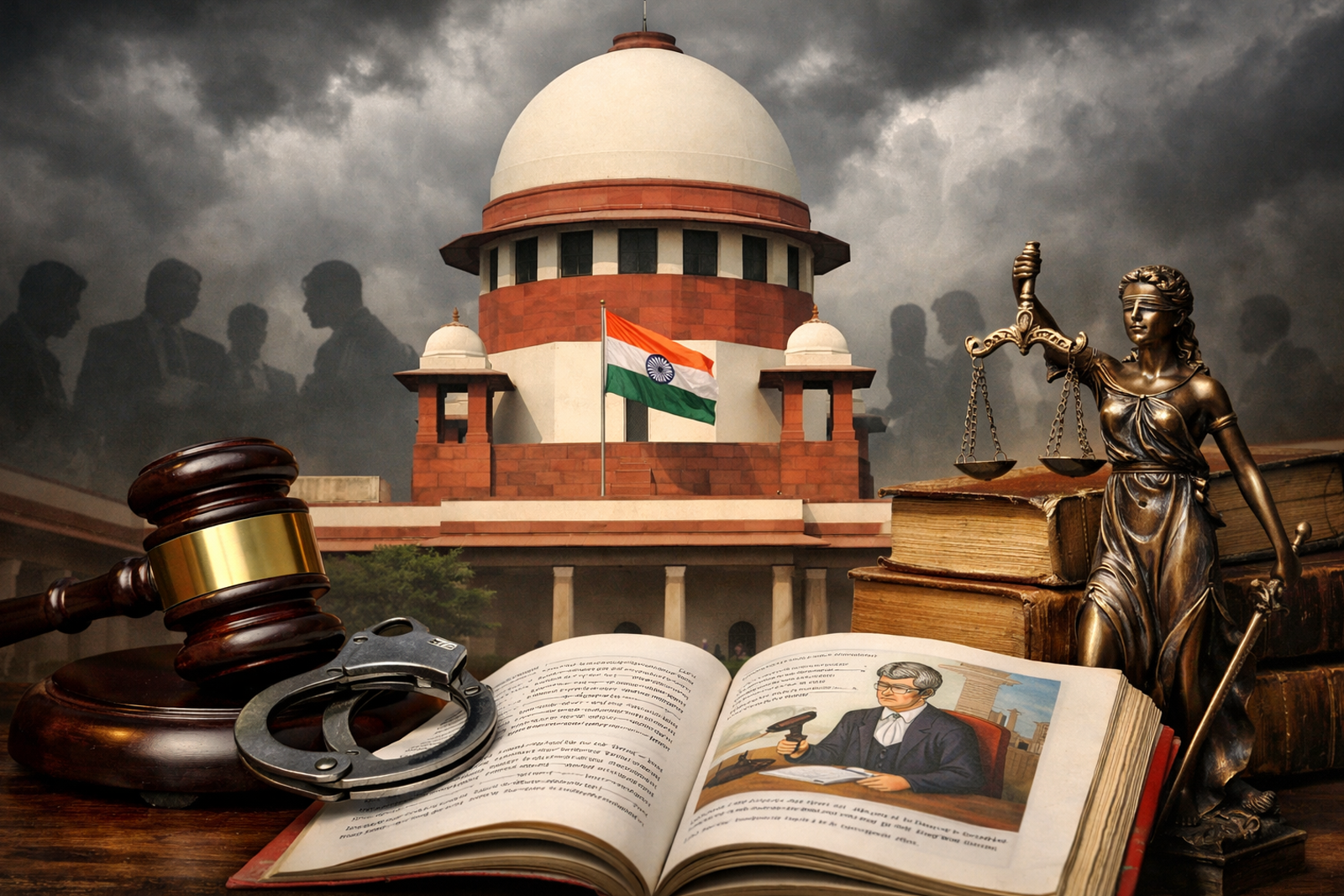



A Tragic Youth Crime Rocks Nayagarh, Odisha
The Incident That Shook Nayagarh
Nayagarh, a peaceful district in Odisha known for its temples, lakes, and cultural heritage, has recently found itself at the center of an unsettling tragedy. A case of youth-involved crime has gripped the region, drawing widespread media attention and sparking heated debates about rising juvenile delinquency.
According to initial reports, a group of teenagers was allegedly involved in a violent act that ended in tragedy. While details are still under investigation, the crime has raised urgent questions about the influence of peer pressure, lack of guidance, and social challenges faced by today’s youth.
The Bigger Picture: Why Youth Crime is Rising
Nayagarh’s tragedy is not an isolated case — it reflects a larger issue facing many parts of India. Several factors contribute to rising youth crime:
- Peer Influence: Teenagers often get drawn into dangerous situations under pressure from friends or groups.
- Digital Exposure: Easy access to violent content, cyberbullying, and online influence can distort young minds.
- Family Struggles: Broken families, lack of parental guidance, or domestic violence can push children toward risky behavior.
- Socio-Economic Pressures: Poverty, unemployment, and lack of opportunities leave young people vulnerable to crime.
Experts say that addressing these root causes is as important as punishing the offenders.
xDid You Know?
- According to NCRB (National Crime Records Bureau), over 30,000 cases of juvenile crime were recorded in India in recent years.
- Most crimes involving juveniles fall under categories like theft, assault, and property-related offenses, though violent cases often make headlines.
- Odisha has seen a worrying rise in juvenile cases, sparking discussions on the need for stronger rehabilitation systems rather than just punishment.
Community Reaction and Social Impact
In Nayagarh, the incident has left families devastated and the community in shock. Parents are now openly discussing the challenges of raising children in today’s fast-paced and digitally influenced world.
Community leaders and local NGOs have also stepped in, urging schools and families to prioritize counseling, awareness, and emotional support for young people. Religious and cultural organizations have begun campaigns to promote positive values and offer mentorship to children at risk.
Law and Justice: What Comes Next?
Police have registered a case, and legal proceedings are underway. Because minors are involved, the Juvenile Justice Act will play a central role in determining punishment and rehabilitation. The Act focuses on reformation rather than harsh punishment, but public anger often demands stricter action.
Balancing justice for the victims and rehabilitation for the accused will be a major challenge for the authorities. This case may also spark debates about whether India’s laws for juvenile crime need to be re-examined, especially in cases involving serious violence.
Preventing Future Tragedies
The Nayagarh case highlights the urgent need for a multi-layered approach to prevent youth crime:
- Stronger Parenting & Communication: Parents need to spend more time understanding their children’s emotional struggles.
- Counseling in Schools: Teachers and counselors can act as early-warning systems, identifying children at risk.
- Safe Digital Spaces: Awareness about responsible internet use can reduce negative online influence.
- Community Mentorship Programs: Local role models can guide young people toward productive paths.
Key Takeaways
- Nayagarh, Odisha, has been rocked by a tragic case of youth crime involving local teenagers.
- The case has raised concerns about peer pressure, digital influence, and family challenges.
- Community leaders are calling for better counseling, awareness, and mentorship programs.
- Authorities face the challenge of balancing justice and rehabilitation under the Juvenile Justice Act.
- The incident underscores the urgent need for preventive measures to safeguard young lives.


You Might Also Like
-
The Supreme Court has accepted the Union government’s decision to enforce a 100-metre protection rule for areas falling within the Aravalli r...
-
The Union Environment Minister on Tuesday said that the government is working on a district-wise plan to clearly demarcate mining areas in the Arav...

Suggested Video