




Europe on Alert as Putin Says Russia Ready for Full-Scale Fight
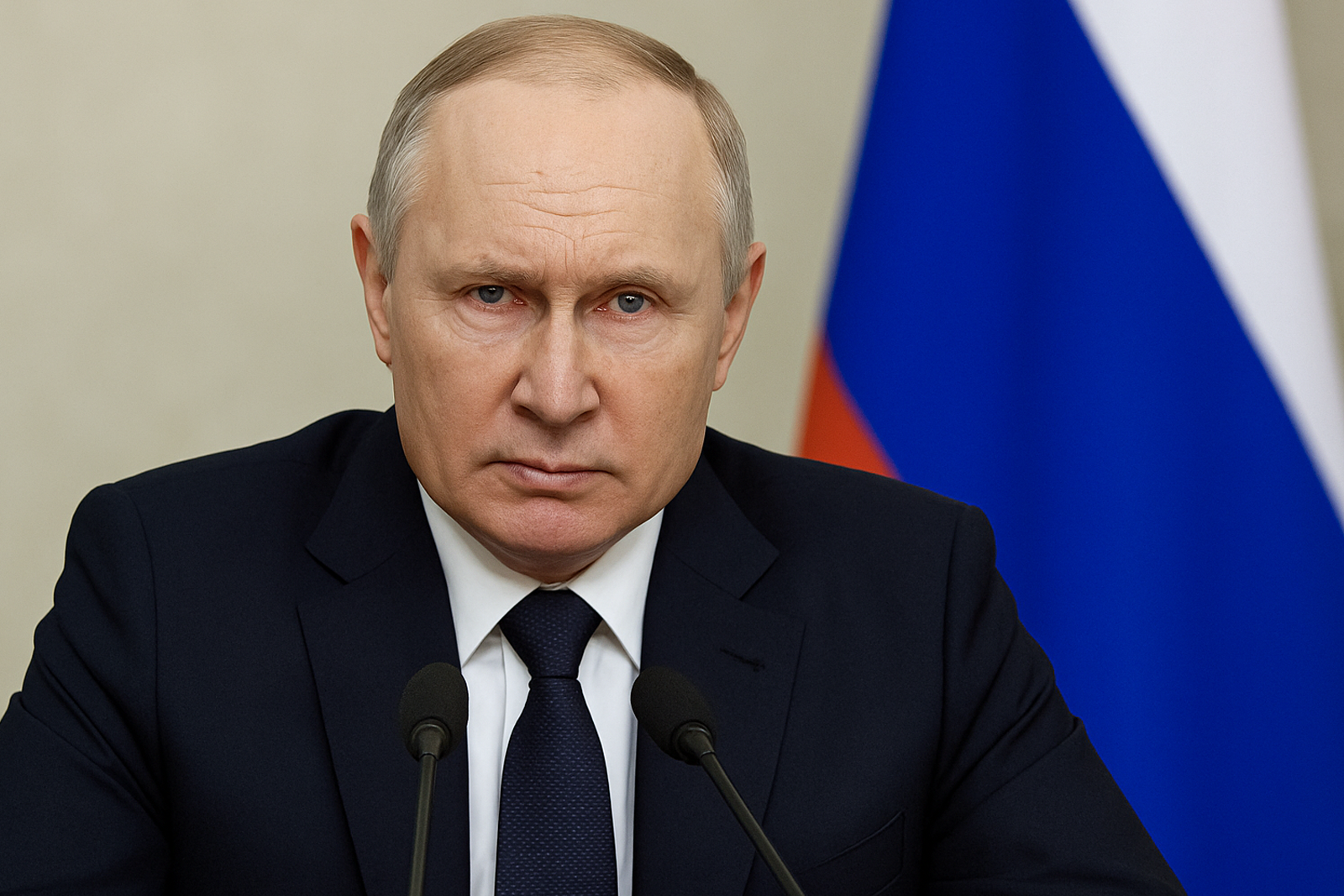
Russian President Vladimir Putin issued a strong warning to European nations, stating that Russia is fully prepared to engage in a military confrontation if Europe chooses the path of war. His remarks come at a time when tensions between Moscow and Western countries continue to rise amid ongoing security disputes and geopolitical friction.
Speaking during a televised address, Putin claimed that Western governments are escalating hostilities and pushing the region toward instability. He emphasized that Russia does not seek conflict but will not hesitate to defend its sovereignty and national interests if provoked.
Putin accused European leaders of fueling anti-Russia sentiment and increasing military activities near the country’s borders. According to him, such actions leave Russia with no choice but to strengthen its own defenses and maintain a high level of readiness.
He also reiterated that diplomatic channels remain open, but insisted that Russia expects “respect, fairness, and security guarantees” from its European counterparts. The Russian leader warned that continued pressure or aggression would be met with a firm and coordinated response from Moscow.
European officials have yet to issue a unified reaction, but early statements from various capitals indicate growing concern over the Kremlin’s latest message. Analysts believe Putin’s comments may signal a tougher stance as the region braces for potential escalations.
As both sides exchange strong statements, fears of heightened military confrontation in Europe continue to mount, leaving the international community watching developments closely.
Putin’s remarks have added a new layer of complexity to an already tense geopolitical landscape. Over the past months, European states have increased their defense budgets and military coordination, citing concerns over Russia’s strategic moves and growing influence in regional conflicts. The Kremlin, however, maintains that these actions are part of a broader Western strategy aimed at containing Russia.
In his statement, Putin stressed that Moscow’s military capabilities have evolved significantly, asserting that Russia now possesses the strength and technology required to counter any threat from NATO-aligned forces. He highlighted the modernization of Russia’s defense systems, long-range weaponry, and advanced strategic tools as evidence of the country’s preparedness.
Despite his stern warning, Putin attempted to position Russia as a nation still willing to pursue diplomatic solutions. He argued that dialogue, mutual compromise, and respect for national boundaries could prevent further escalation. Yet, he underlined that Russia “cannot be intimidated” and that any aggressive move against the country would result in “consequences no adversary is prepared for.”
European leaders are reportedly monitoring the situation closely, with several diplomats calling for calm and urging both sides to prioritize negotiation over confrontation. Some analysts believe Putin’s comments may be aimed at influencing ongoing discussions on regional security frameworks, while others view the statement as a response to growing Western military presence in Eastern Europe.
International observers fear that the latest exchange of warnings could deepen existing divisions and increase the risk of miscalculations. Global institutions, including the United Nations, have urged all parties to avoid provocative rhetoric and work toward de-escalation through transparent diplomatic engagement.
For many citizens across Europe, Putin’s declaration has heightened anxiety about the possibility of a broader conflict. Governments across the region are expected to hold urgent meetings to assess emerging security threats and evaluate their strategic positions in light of Russia’s warning.
As developments unfold, the world remains on edge, watching how both Russia and Europe navigate this critical moment in international relations. The coming days may determine whether the region steps closer to confrontation or finds a pathway back to diplomacy.

About The Author
Soojin Das is a dedicated journalist with a strong focus on public affairs, governance, and grassroots reporting. With a passion for uncovering stories that matter, she brings clarity, accuracy, and depth to complex issues shaping communities across India. Her reporting spans politics, social development, education, and local civic concerns, giving readers a balanced and well-researched perspective. Known for her sharp news sense and ethical approach to journalism, Anita combines on-ground reporting with data-driven analysis and compelling storytelling. She has covered major policy announcements, elections, disaster response efforts, and community-led initiatives, ensuring that audiences receive timely and trustworthy information. Anita believes journalism plays a vital role in strengthening democracy and amplifying under-represented voices. Through interviews, investigative pieces, and human-interest stories, she aims to inform, engage, and empower readers. When not in the field, she closely follows media innovation and digital storytelling trends, continually refining her craft to meet the evolving needs of modern newsrooms.
Soojin Das | Journalist
You Might Also Like
-
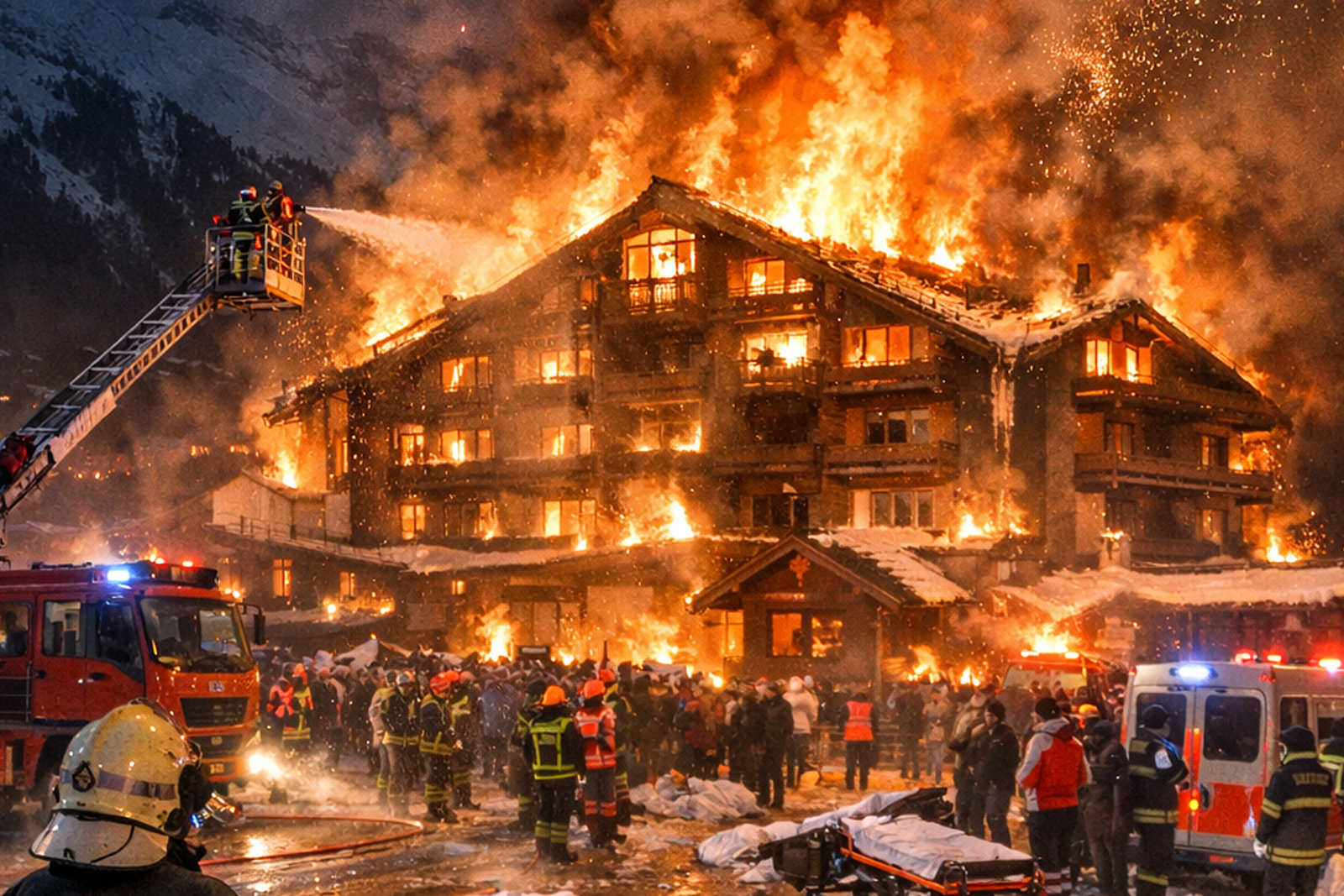
A devastating fire tore through a crowded bar at a Swiss ski resort during New Year celebrations, killing at least 40 people and leaving 115 others...
-
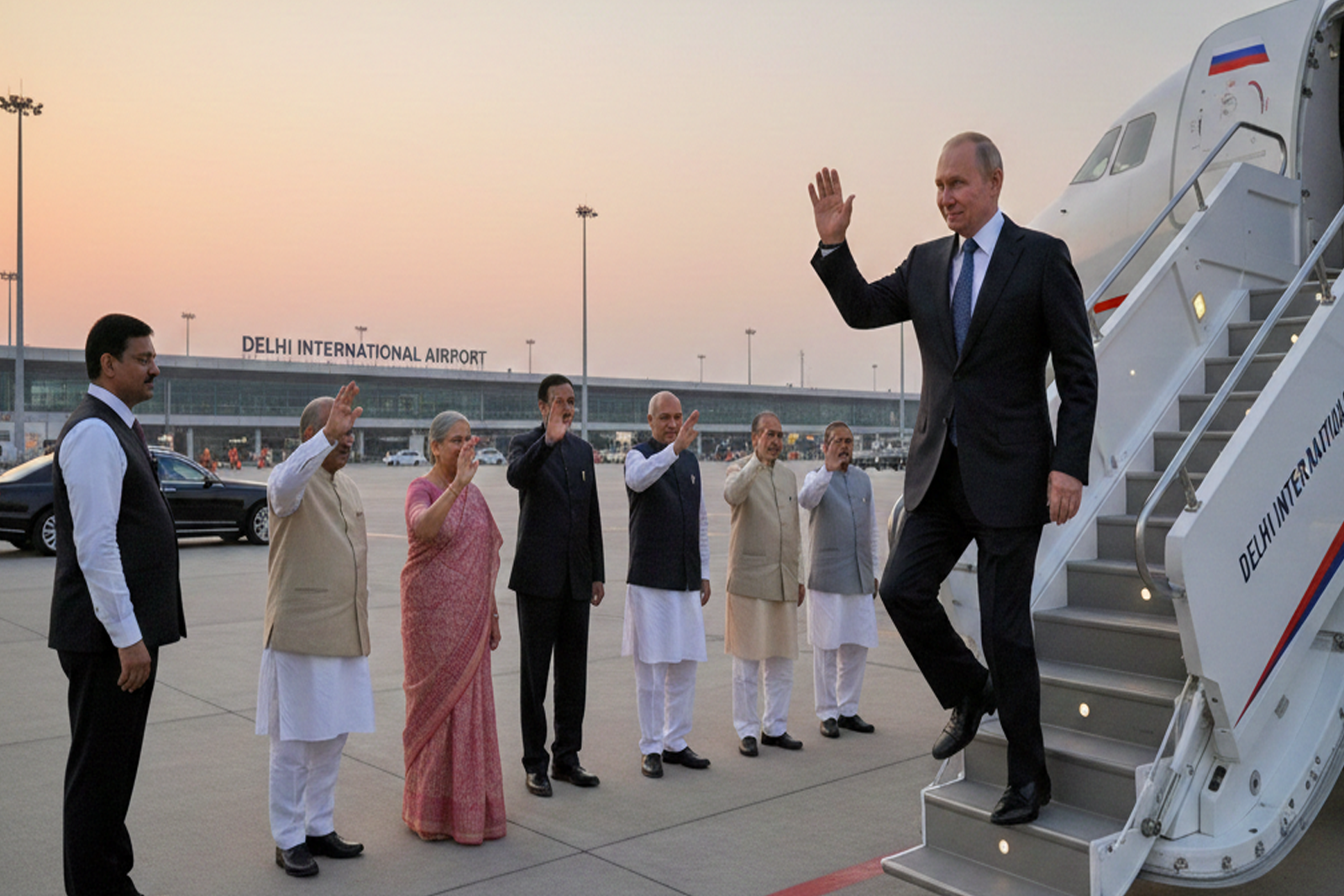
Russian President Vladimir Putin has departed for Moscow after completing his official visit to India earlier today. His two–day stay consist...
Suggested Video