





Australia Implements Social Media Restriction for Users Under 16
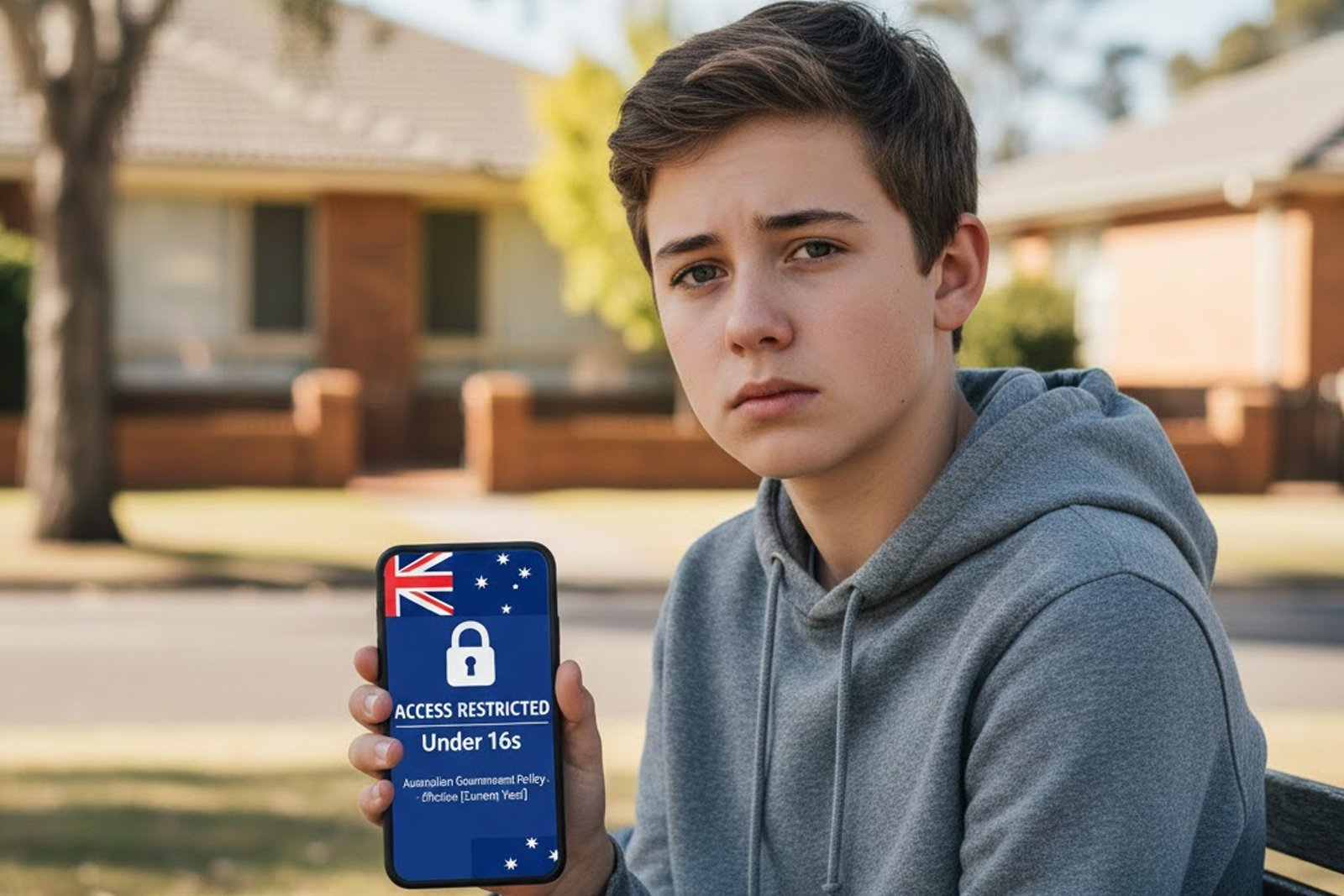
Australia’s new social media age restriction policy officially came into force today, marking a major shift in the nation’s online safety laws. Under the rule, children below the age of 16 are no longer allowed to create social media accounts, and platforms will be required to verify users’ ages before granting access.
The move is aimed at reducing exposure of young users to harmful online content, cyberbullying, data misuse, and addictive digital behaviour. Social media platforms will now be legally responsible for preventing minors from signing up and ensuring compliance with government regulations.
Authorities explained that the new policy is designed to protect children from psychological risks associated with long online hours and from interacting with unknown or unsafe individuals. Several digital rights groups have welcomed the measure as a positive step toward online safety, though concerns have also been raised about how age-verification systems will be implemented.
Parents and educators have expressed support, saying the move will encourage healthier digital habits and reduce the dependency on social media during a child’s formative years. Social media companies are expected to phase in clearer verification procedures and provide transparency reports on compliance.
The implementation of this rule has sparked global attention, with many experts predicting that other countries may consider similar restrictions if positive results follow. Australia’s government has said that it will closely monitor the rollout and assess its effectiveness over the coming months.

Australia’s landmark social media regulation, banning users under 16 from having accounts, officially came into effect today. The decision, driven by growing concerns over online safety, data exploitation, and mental health risks among children, has been described as one of the strongest measures taken globally to protect minors in the digital age.
Under the new rules, platforms such as Facebook, Instagram, TikTok, Snapchat, and X must verify that new users are at least 16 before allowing them to create an account. Failing to do so may result in penalties, including heavy fines and regulatory actions.
Authorities said the decision followed years of research linking excessive screen time and exposure to harmful digital content with depression, anxiety, low self-esteem, and disrupted sleep among children. The government emphasized that this policy aims to create a safer and more responsible online environment, preventing young people from being targetted by inappropriate content, online predators, cyberbullying, and unrealistic body-image standards.
Parents and child psychologists have largely welcomed the reform. Many believe the ban will encourage children to engage more in real-world activities, physical sports, and interpersonal communication rather than depending heavily on digital interactions. Educators also highlighted that the regulation may help improve attention span, academic productivity, and mental clarity among teenagers.
Technology companies, however, face challenges as they adapt to the policy. The requirement to implement robust age verification systems raises concerns regarding privacy, algorithm adjustments, and compliance management. Still, most platforms are expected to roll out gradual verification protocols while introducing parental oversight tools.
Digital lawmakers worldwide are closely observing Australia’s move. Several experts predict that this law could act as a model for other nations struggling to balance digital freedom with youth mental wellbeing. Governments in Europe, Asia, and North America have reportedly initiated internal discussions to examine similar protective regulations.
Australian officials confirmed that the implementation phase will be closely monitored, with feedback collected from families, schools, and tech companies to ensure smooth execution. The government also plans to evaluate the psychological and behavioral impact of the ban on children over the coming months.
As the policy takes hold, questions remain about how it may reshape youth digital culture. However, one thing is clear — Australia’s decision has sparked a global debate on responsible online engagement and the urgent need to safeguard younger generations from the fast-evolving risks of digital platforms.

About The Author
Soojin Das is a dedicated journalist with a strong focus on public affairs, governance, and grassroots reporting. With a passion for uncovering stories that matter, she brings clarity, accuracy, and depth to complex issues shaping communities across India. Her reporting spans politics, social development, education, and local civic concerns, giving readers a balanced and well-researched perspective. Known for her sharp news sense and ethical approach to journalism, Anita combines on-ground reporting with data-driven analysis and compelling storytelling. She has covered major policy announcements, elections, disaster response efforts, and community-led initiatives, ensuring that audiences receive timely and trustworthy information. Anita believes journalism plays a vital role in strengthening democracy and amplifying under-represented voices. Through interviews, investigative pieces, and human-interest stories, she aims to inform, engage, and empower readers. When not in the field, she closely follows media innovation and digital storytelling trends, continually refining her craft to meet the evolving needs of modern newsrooms.
Soojin Das | Journalist

You Might Also Like
-
Rising Tensions in the Gulf After Gas Field Strike A fresh wave of geopolitical tension has gripped the Middle East after Iran issued strong wa...
-
India and Canada Signal Fresh Start as Leaders Lay Groundwork for Stronger Ties In a significant diplomatic development, Prime Minister Narendr...


Suggested Video