





District-Wise Plan to Demarcate Mining Zones in Aravalli Range Underway: Environment Minister
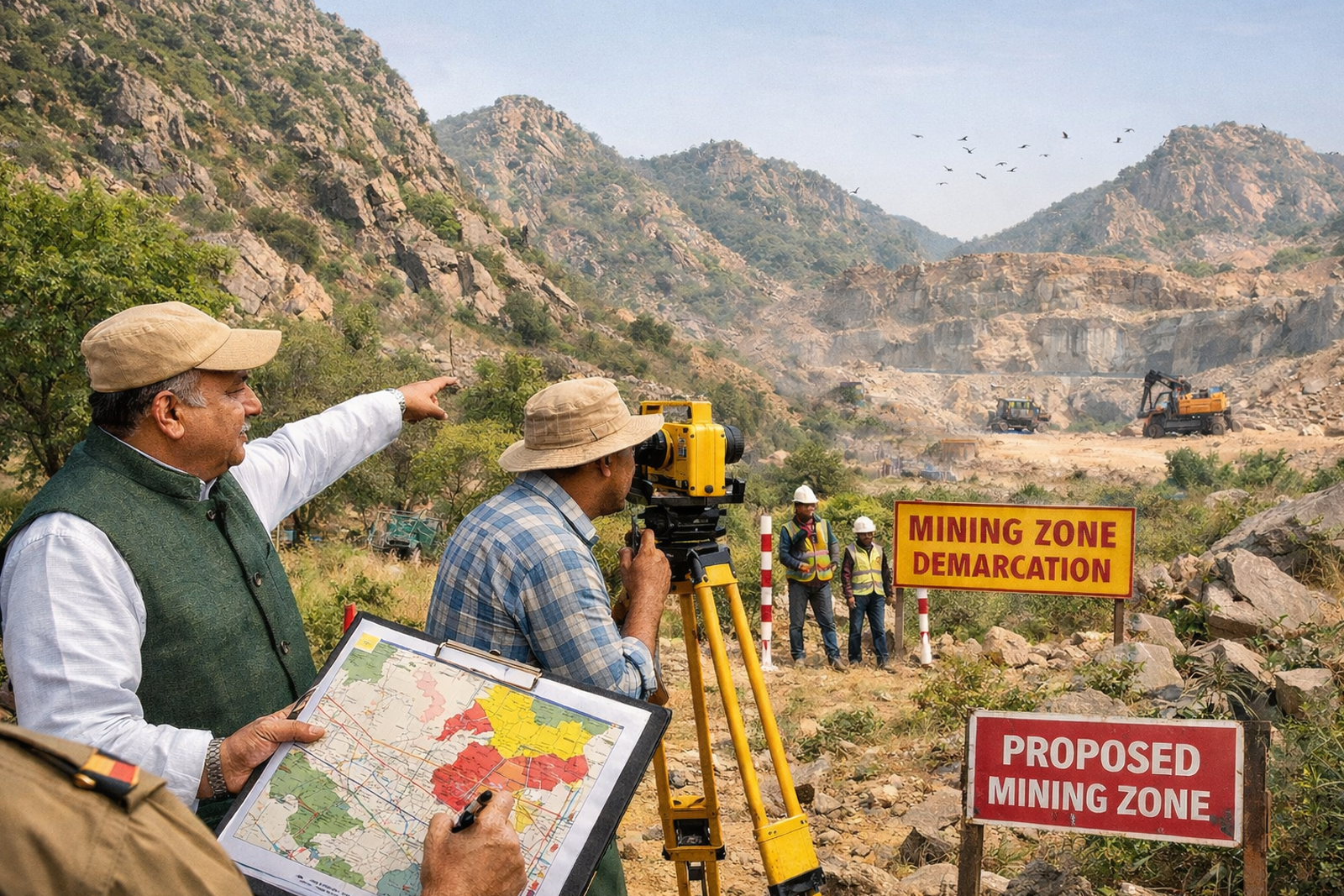
The Union Environment Minister on Tuesday said that the government is working on a district-wise plan to clearly demarcate mining areas in the Aravalli Range, with the aim of strengthening environmental protection while allowing regulated and lawful mining activities.
Speaking on the issue, the minister noted that the Aravalli Range spans multiple districts across states such as Rajasthan, Haryana, and parts of Delhi NCR, making uniform regulation challenging. A district-level approach, he said, would help authorities clearly identify where mining is permitted, restricted, or completely prohibited, based on ecological sensitivity.
The proposed framework is expected to rely on scientific studies, satellite mapping, forest records, and ground-level surveys to ensure accuracy. Once finalized, the demarcation will assist state governments and local administrations in preventing illegal mining, a long-standing concern in the region.
Officials said the plan would also bring clarity to industries by reducing ambiguity around mining permissions, while ensuring compliance with environmental laws, forest conservation norms, and court directives related to the protection of the Aravallis.
Environmental experts have repeatedly warned that unregulated mining in the Aravalli Range has contributed to land degradation, groundwater depletion, and loss of biodiversity. The new district-wise demarcation is expected to address these concerns by enforcing stricter oversight and accountability.
The Environment Ministry is coordinating with state governments and relevant agencies, and consultations are underway. The minister indicated that the plan would be implemented in a phased manner once mapping and assessments are completed.
The Aravalli Range is considered one of the oldest mountain systems in the world and plays a crucial role in climate regulation, water security, and ecological balance in northern India. The government’s initiative is being viewed as a significant step toward safeguarding this fragile ecosystem while balancing development needs.
According to officials familiar with the matter, the district-wise demarcation exercise will also help resolve long-standing disputes over land classification, especially in areas where revenue records, forest boundaries, and satellite imagery do not align. Clear mapping is expected to reduce legal challenges and improve enforcement at the district level.
The Environment Ministry is likely to integrate GIS-based monitoring systems to track mining activities in real time. This will allow authorities to quickly identify violations, monitor extraction limits, and ensure that mining operations do not spill into eco-sensitive or protected zones within the Aravalli landscape.
State governments have been asked to submit updated data on existing mining leases, forest cover, wildlife corridors, and water recharge zones. This information will be crucial in preparing district-specific maps that reflect local environmental conditions rather than a one-size-fits-all approach.
The minister emphasized that the initiative is not intended to promote unchecked mining, but to ensure that any permitted activity adheres strictly to environmental impact assessment norms and sustainability principles. Areas identified as critical for groundwater recharge or biodiversity conservation will remain off-limits.
Environmental groups have welcomed the move, stating that district-wise clarity could strengthen accountability and limit loopholes that have historically enabled illegal extraction. However, they have also urged the government to ensuretransparent public accessto the final demarcation maps and enforcement data.
Once implemented, the district-level framework is expected to assist district collectors, pollution control boards, and enforcement agencies in takingswift and coordinated actionagainst violations. Officials added that the success of the plan would depend on continuous monitoring and cooperation between central and state authorities.
The Environment Ministry is expected to release further details after consultations with stakeholders, including state governments, environmental experts, and local communities, are completed.

About The Author
Shivani Nayak is an emerging journalist committed to delivering accurate, timely, and impactful stories for a fast-growing digital news platform. With a keen interest in politics, public policy, and community reporting, she focuses on issues that directly affect everyday life. Her work reflects a strong belief in responsible journalism, transparency, and fact-based reporting. She brings a modern, digital-first approach to news coverage, blending field reporting with multimedia storytelling to reach audiences across platforms. From breaking developments to in-depth explainers and human-interest features, Anita strives to present news in a clear, accessible manner while maintaining editorial integrity. Driven by curiosity and a deep sense of social responsibility, she actively engages with sources at the grassroots level, ensuring diverse voices are represented. She is particularly interested in governance, education reform, infrastructure development, and civic affairs. Through her reporting, Anita aims to build trust with readers and contribute to a culture of informed public dialogue. As part of a new portal, she looks forward to growing alongside the publication and helping shape its journalistic identity in the digital age.
Shivani Nayak | Journalist


You Might Also Like
-
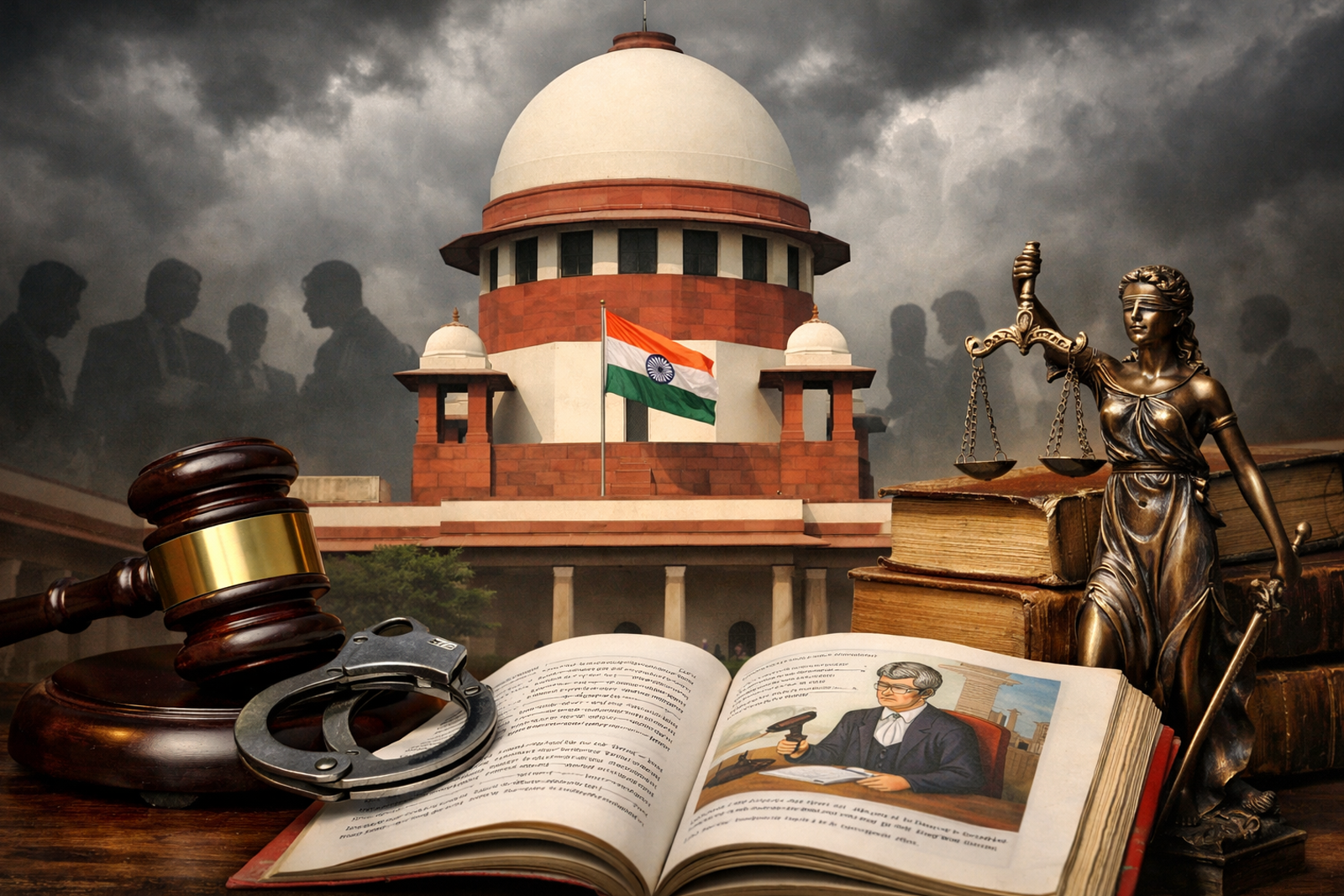
The Supreme Court has accepted the Union government’s decision to enforce a 100-metre protection rule for areas falling within the Aravalli r...
-
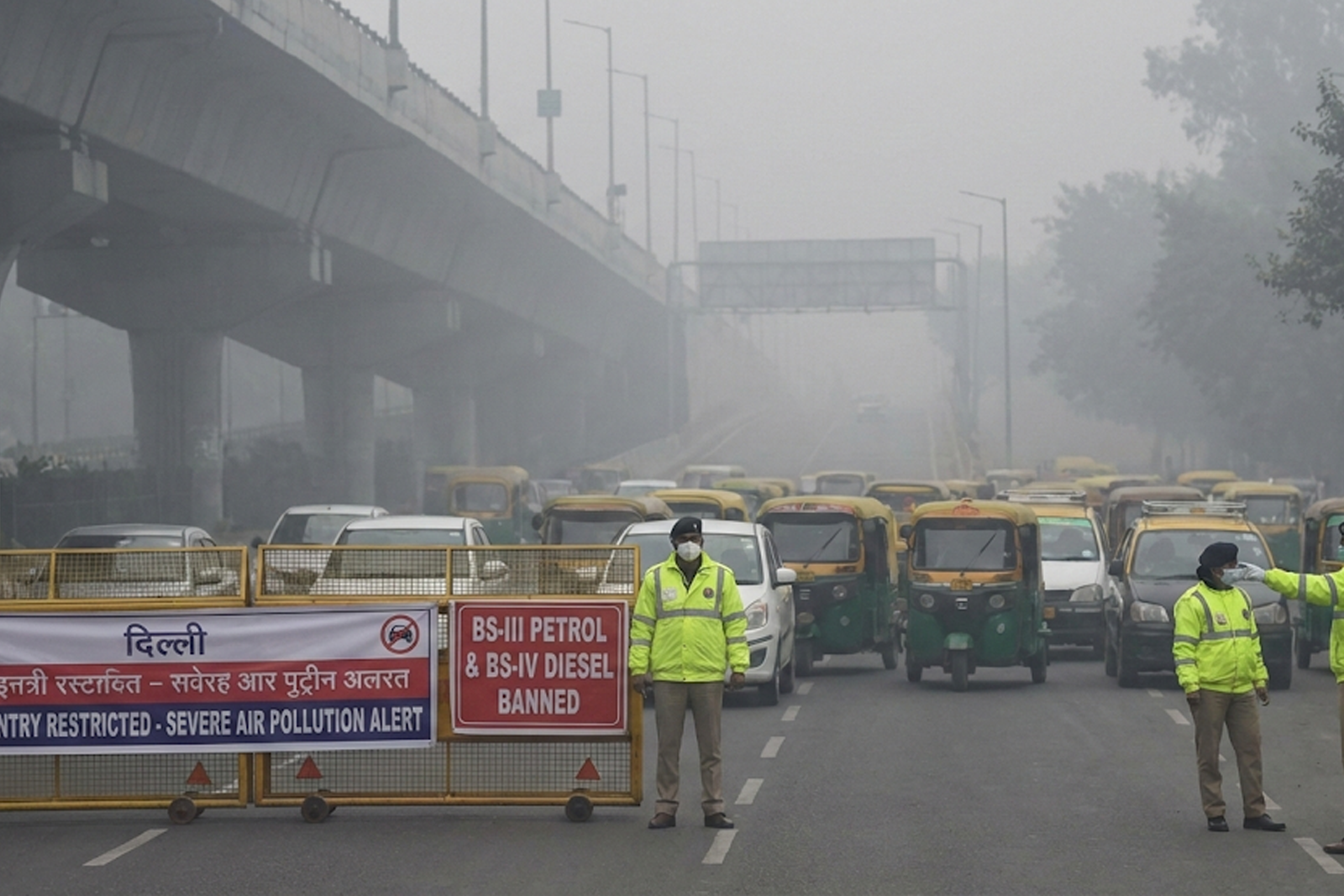
Delhi and its surrounding National Capital Region (NCR) have been placed under strict pollution-control measures after air quality levels plunged i...

Suggested Video