




India to Slash EU Car Import Duties to 40% Ahead of Trade Agreement
India is preparing to substantially lower import duties on automobiles shipped from the European Union as part of its push to finalise a long-pending free trade agreement with the bloc. The proposed move would reduce tariffs on EU-manufactured cars to around 40 per cent, down sharply from the current rate that can reach as high as 110 per cent, according to officials familiar with the discussions.
The plan is seen as a strategic concession aimed at unlocking progress in negotiations that have been under way for several years. European negotiators have consistently sought easier access to India’s tightly protected automobile market, arguing that high import taxes make their vehicles uncompetitive. New Delhi, meanwhile, has been cautious, balancing trade liberalisation with the need to safeguard domestic manufacturers and jobs.
Government sources indicate that the proposed tariff cut could be implemented in a phased manner, allowing Indian automakers time to adjust while encouraging global brands to expand their presence in the country. Policymakers are also exploring safeguards and local-investment requirements to ensure that the reduction supports long-term industrial growth rather than merely increasing imports.
Industry experts say the change could make premium European models more affordable for Indian buyers and intensify competition in the luxury and electric-vehicle segments. At the same time, domestic carmakers may face pressure to accelerate innovation and improve efficiency to retain market share.
Beyond automobiles, the India–EU trade talks cover a wide range of issues, including market access for agricultural products, digital trade rules, intellectual-property protections and sustainability standards. Both sides have signalled political will to conclude the agreement, viewing it as a way to diversify supply chains and deepen economic ties at a time of global uncertainty.
Officials caution that the proposal is still under negotiation and will require final political approval before being formalised. However, the willingness to rethink long-standing tariff barriers on cars is being interpreted in diplomatic circles as one of the strongest signals yet that the two partners are serious about closing the deal.
India’s consideration of a sharp reduction in import duties on European cars reflects a broader recalibration of its trade strategy as it seeks deeper economic engagement with major partners. For years, New Delhi has defended high automotive tariffs as a way to nurture local manufacturing and attract foreign companies to build vehicles inside the country rather than simply ship finished products from overseas. The proposed cut to about 40 per cent suggests policymakers now see greater value in compromise to secure wider commercial gains.
Officials involved in the discussions say the automotive issue has been one of the most sensitive chapters in the negotiations. European governments and carmakers have repeatedly raised concerns that India’s existing tariff structure places their exports at a severe disadvantage compared to locally produced vehicles. India, on the other hand, has pressed for improved access for its pharmaceutical products, information-technology services and textiles in EU markets, making the talks a complex exchange of concessions.
Economists note that if the tariff reduction is approved, it could alter pricing dynamics in India’s premium vehicle segment, where European brands already dominate. Lower duties may translate into reduced showroom prices, although the final impact would depend on currency movements, logistics costs and how much of the savings manufacturers choose to pass on to consumers. The move could also encourage global automakers to introduce newer models and electric vehicles more quickly in the Indian market.
Domestic industry groups are expected to closely scrutinise the proposal. Some may argue that steep tariff cuts could hurt smaller manufacturers or suppliers, while others see potential benefits in stronger competition, technology transfers and collaboration with European firms. The government is reportedly examining transitional measures, such as phased implementation schedules or targeted incentives for local production, to soften any disruptions.
The trade pact under negotiation is far broader than automobiles alone. It aims to set rules on digital commerce, data flows, environmental commitments and labour standards, areas that have become increasingly important in modern trade agreements. European negotiators have also been pressing for stronger protections for geographical-indication products, while India has sought greater mobility for skilled professionals.
Diplomats say momentum has picked up in recent months, with both sides keen to conclude the agreement amid shifting global supply chains and geopolitical uncertainty. Although significant differences remain, the willingness to revisit long-standing barriers in the automotive sector is being viewed as a sign that New Delhi and Brussels are prepared to make politically difficult choices to bring the negotiations across the finish line.

About The Author
Shivani Nayak is an emerging journalist committed to delivering accurate, timely, and impactful stories for a fast-growing digital news platform. With a keen interest in politics, public policy, and community reporting, she focuses on issues that directly affect everyday life. Her work reflects a strong belief in responsible journalism, transparency, and fact-based reporting. She brings a modern, digital-first approach to news coverage, blending field reporting with multimedia storytelling to reach audiences across platforms. From breaking developments to in-depth explainers and human-interest features, Anita strives to present news in a clear, accessible manner while maintaining editorial integrity. Driven by curiosity and a deep sense of social responsibility, she actively engages with sources at the grassroots level, ensuring diverse voices are represented. She is particularly interested in governance, education reform, infrastructure development, and civic affairs. Through her reporting, Anita aims to build trust with readers and contribute to a culture of informed public dialogue. As part of a new portal, she looks forward to growing alongside the publication and helping shape its journalistic identity in the digital age.
Shivani Nayak | Journalist


You Might Also Like
-
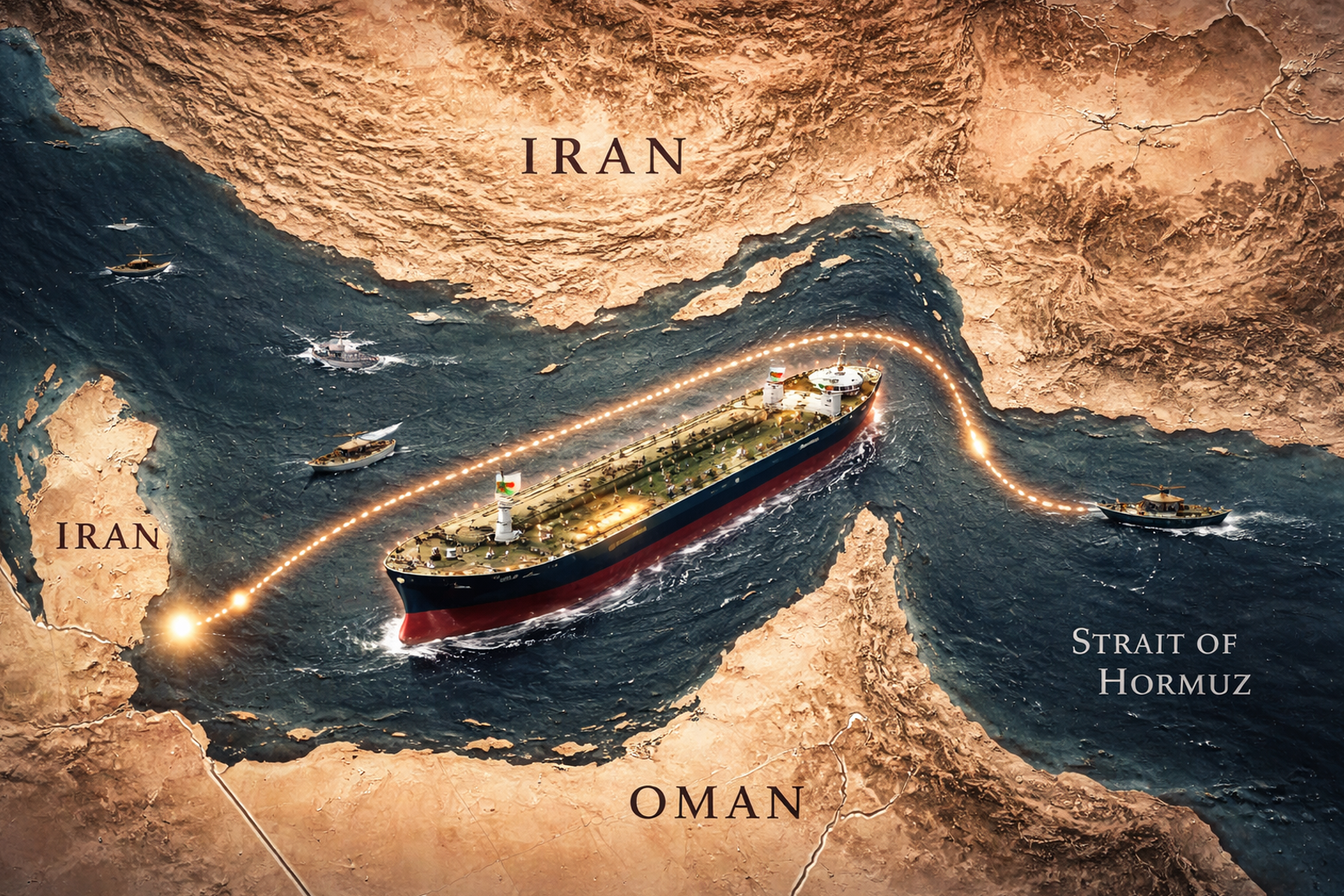
Iran Grants India Access to Strait of Hormuz Amid Rising Tensions In a significant geopolitical development, Iran has decided to allow India an...
-
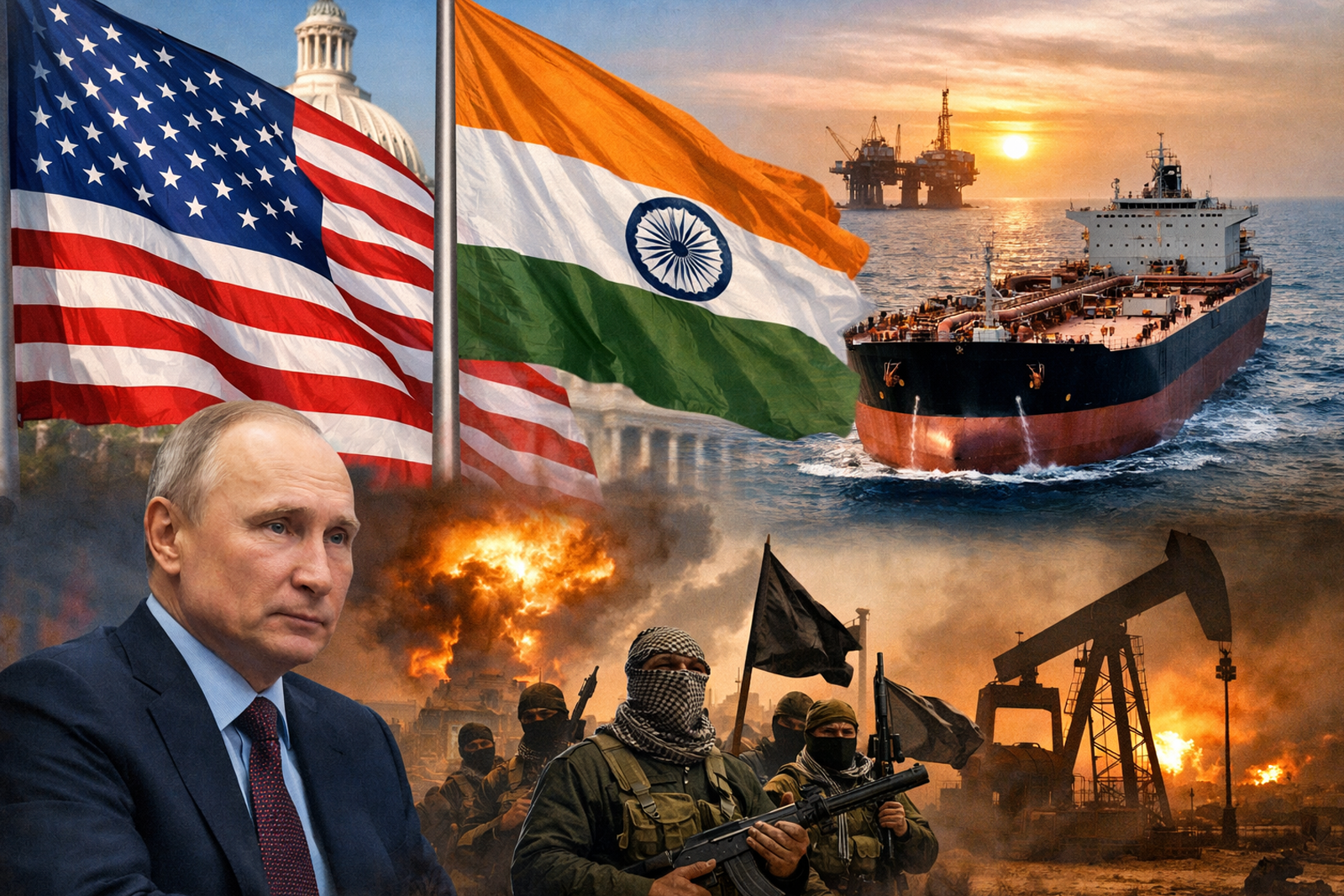
U.S. Grants 30-Day Waiver for India to Continue Russian Oil Purchases Temporary Relief Amid Global Supply Concerns The United States has is...
Suggested Video