




Trump Camp Slams Europe for Prioritising Ukraine Over India–EU Trade Deal
Trump Camp Questions Europe’s Priorities as India–EU Trade Talks Advance
The renewed momentum behind a comprehensive trade agreement between India and the European Union has drawn attention far beyond Brussels and New Delhi. Figures associated with former US President Donald Trump have publicly criticised European leaders, arguing that their heavy diplomatic and financial engagement with Ukraine is diverting energy from expanding commercial partnerships with fast-growing economies such as India.
Negotiators from India and the EU have spent months attempting to bridge gaps over tariffs, regulatory standards, digital trade rules, and environmental commitments. Both sides view the proposed pact as strategically important: Europe hopes to reduce dependence on a narrow group of trading partners, while India is keen to secure wider access for its goods and services to one of the world’s largest consumer markets.
Trump-aligned commentators contend that Europe’s geopolitical agenda is shaping the pace and tone of these discussions. In their view, the war in Ukraine has consumed political capital and fiscal resources that could otherwise be channelled into accelerating trade diplomacy elsewhere. They also suggest that Europe’s security priorities are influencing its economic bargaining positions, making negotiations more complex.
European officials reject the idea that support for Ukraine undermines their trade ambitions. They point to continued rounds of formal talks with India and stress that strengthening economic ties in Asia is part of a broader strategy to build resilient supply chains and diversify markets. Indian policymakers, for their part, have largely kept the focus on technical negotiations rather than outside political commentary.
Analysts say the episode highlights how global trade deals are increasingly shaped by strategic rivalries and shifting alliances, not just tariffs and market access. As the India–EU talks move forward, balancing geopolitical realities with commercial interests will remain a central challenge — one that could determine whether the long-discussed agreement finally reaches the finish line.
Trump Allies Take Aim at Europe as India–EU Trade Negotiations Enter Critical Phase
The long-running effort to seal a sweeping trade agreement between India and the European Union has once again moved into the geopolitical spotlight. Comments from figures linked to former US President Donald Trump have questioned whether Europe’s intense focus on the war in Ukraine is slowing or reshaping Brussels’ approach to economic engagement with New Delhi. The remarks have added a political edge to talks that are already complex, technical, and strategically significant for all sides involved.
Below is a detailed look at the background, stakes, and broader implications of this emerging debate.
Why the India–EU Deal Matters
India and the EU together account for a major share of global output and consumer demand. A comprehensive pact could reshape trade flows across sectors ranging from manufacturing to technology.
Key objectives for both sides include:
-
Market access: India seeks easier entry for textiles, pharmaceuticals, IT services, and agricultural products, while the EU wants reduced tariffs on automobiles, wines, machinery, and green technologies.
-
Supply-chain resilience: Europe aims to diversify sourcing away from over-concentrated regions, and India hopes to position itself as a reliable manufacturing and export hub.
-
Investment flows: Clearer rules could unlock billions in two-way foreign direct investment.
-
Standards and regulation: Digital trade, data protection, labour norms, and environmental rules remain central negotiating points.
After years of intermittent progress, recent rounds of dialogue had suggested renewed political will on both sides — until geopolitical commentary began to intrude.
What the Trump Camp Is Saying
Trump-aligned voices have argued that Europe’s financial commitments, diplomatic energy, and security coordination linked to Ukraine are dominating Brussels’ agenda. According to this view:
-
Resources devoted to the conflict may reduce attention available for economic diplomacy elsewhere.
-
Security concerns could influence Europe’s negotiating posture, making officials more cautious or demanding in trade talks.
-
Strategic alignment within Western alliances might overshadow purely commercial considerations.
While these comments do not directly shape EU policy, they have amplified public discussion around how international crises intersect with trade negotiations.
Europe’s Response and Position
European policymakers have firmly pushed back on the suggestion that Ukraine is crowding out other priorities. Officials stress that:
-
Trade negotiations with India have continued through multiple formal rounds, even amid wartime pressures.
-
Diversifying economic partnerships is itself part of Europe’s long-term strategic planning.
-
Strengthening ties with India is seen as complementary to, not in conflict with, Europe’s security commitments.
From Brussels’ perspective, pursuing a deal with India fits into a broader attempt to adapt to a changing global economy marked by shifting power centres and fragile supply networks.
India’s Calculated Approach
Indian negotiators have largely refrained from responding directly to outside political commentary, choosing instead to emphasise technical progress and unresolved policy issues.
India’s priorities in the talks include:
-
Protecting sensitive domestic sectors such as agriculture and small manufacturers.
-
Ensuring fair treatment for its service professionals working in Europe.
-
Maintaining regulatory autonomy in areas like digital governance and climate policy.
At the same time, Indian officials recognise the strategic value of deeper engagement with Europe as the country seeks to expand exports, attract technology, and move up global value chains.
Geopolitics and Trade: An Increasingly Blurred Line
Experts note that major trade agreements are no longer negotiated in isolation from global politics. Instead, they are shaped by overlapping concerns about security, energy access, technological competition, and regional stability.
Several trends are influencing current negotiations:
-
Strategic partnerships:Countries increasingly favour deals with partners they view as politically stable and strategically aligned.
-
Economic security:Governments are paying closer attention to where critical goods — such as semiconductors, pharmaceuticals, and rare minerals — are produced.
-
Climate commitments:Environmental standards have become central bargaining tools rather than side issues.
-
Alliance politics:Diplomatic relationships can speed up or slow down talks, depending on the wider international climate.
Against this backdrop, comments from American political figures resonate not because they directly control the process, but because they reflect how trade policy has become intertwined with global power calculations.
Potential Implications for the Negotiations
While the India–EU talks remain officially on track, political noise can influence expectations and timelines.
Possible outcomes include:
-
Slower progress:Heightened scrutiny may make negotiators more cautious about compromises.
-
Greater urgency:Both sides might accelerate talks to demonstrate independence from outside pressure.
-
Reframed priorities:Issues such as energy cooperation or defence-linked technologies could gain prominence in discussions.
-
Domestic debate:Political actors within Europe and India may use the controversy to argue for tougher or more flexible stances.
Ultimately, the fate of the deal will depend less on external criticism and more on whether negotiators can reconcile differences over tariffs, regulation, and sustainability.
A Test Case for a Fragmented World
The episode underscores how difficult it has become to craft large-scale trade agreements in an era defined by conflict, rivalry, and economic uncertainty. For Europe, balancing support for Ukraine with outreach to emerging partners is part of a broader recalibration of foreign and economic policy. For India, the talks represent both an opportunity to deepen global integration and a reminder of how international politics can intrude into commercial diplomacy.
As negotiations continue, the India–EU agreement is increasingly being viewed not just as a trade pact, but as a signal of how major economies navigate cooperation amid global tension. Whether that signal ultimately points toward compromise or continued caution will shape economic relations between two of the world’s most important markets for years to come.

About The Author
Soojin Das is a dedicated journalist with a strong focus on public affairs, governance, and grassroots reporting. With a passion for uncovering stories that matter, she brings clarity, accuracy, and depth to complex issues shaping communities across India. Her reporting spans politics, social development, education, and local civic concerns, giving readers a balanced and well-researched perspective. Known for her sharp news sense and ethical approach to journalism, Anita combines on-ground reporting with data-driven analysis and compelling storytelling. She has covered major policy announcements, elections, disaster response efforts, and community-led initiatives, ensuring that audiences receive timely and trustworthy information. Anita believes journalism plays a vital role in strengthening democracy and amplifying under-represented voices. Through interviews, investigative pieces, and human-interest stories, she aims to inform, engage, and empower readers. When not in the field, she closely follows media innovation and digital storytelling trends, continually refining her craft to meet the evolving needs of modern newsrooms.
Soojin Das | Journalist


You Might Also Like
-
Iran’s supreme leader has sharply criticised recent protests across the country, accusing demonstrators of engaging in vandalism and acting u...
-
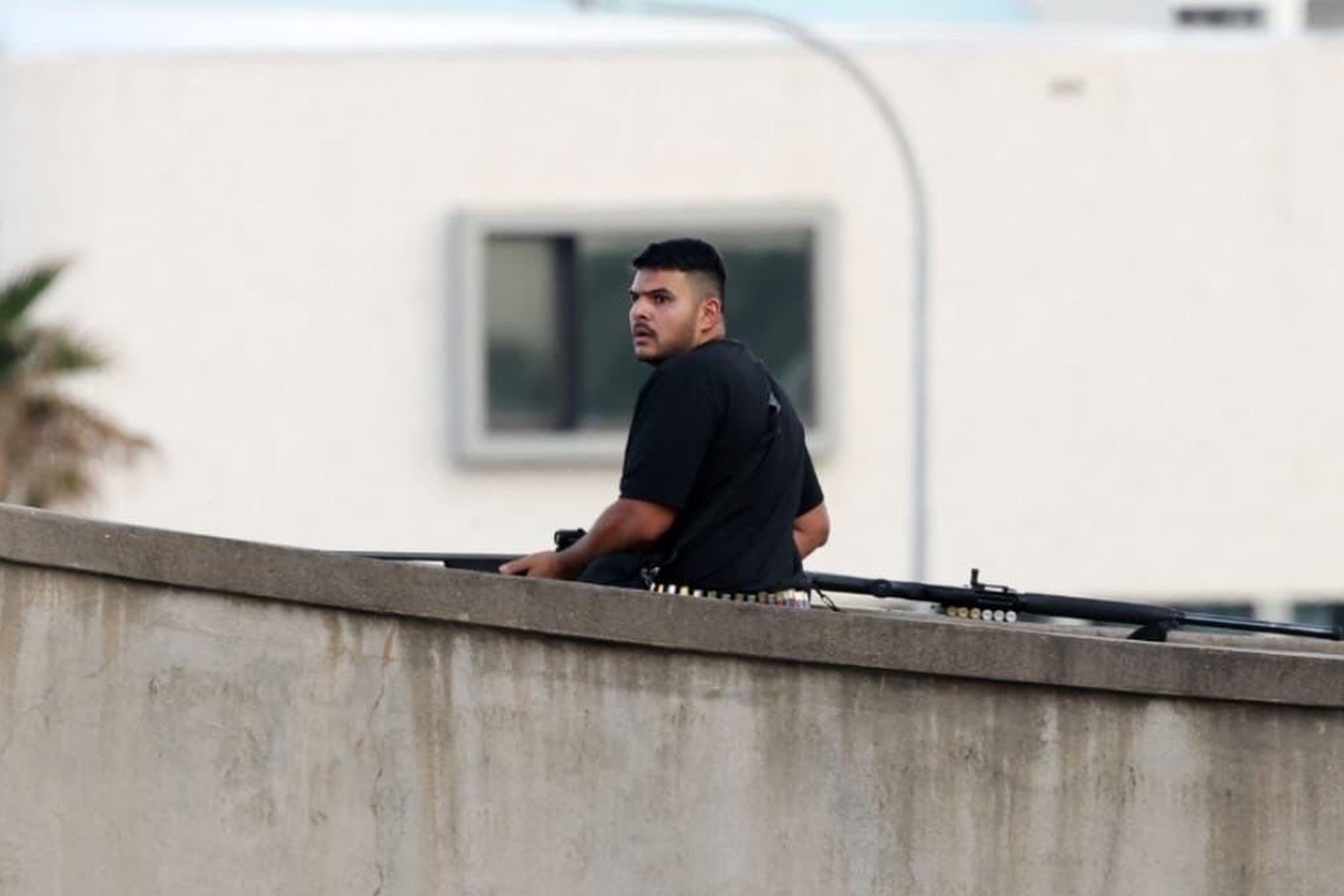
A celebratory atmosphere at a Sydney beach was shattered after a shooting incident occurred during a Jewish festival, triggering panic among attend...

Suggested Video