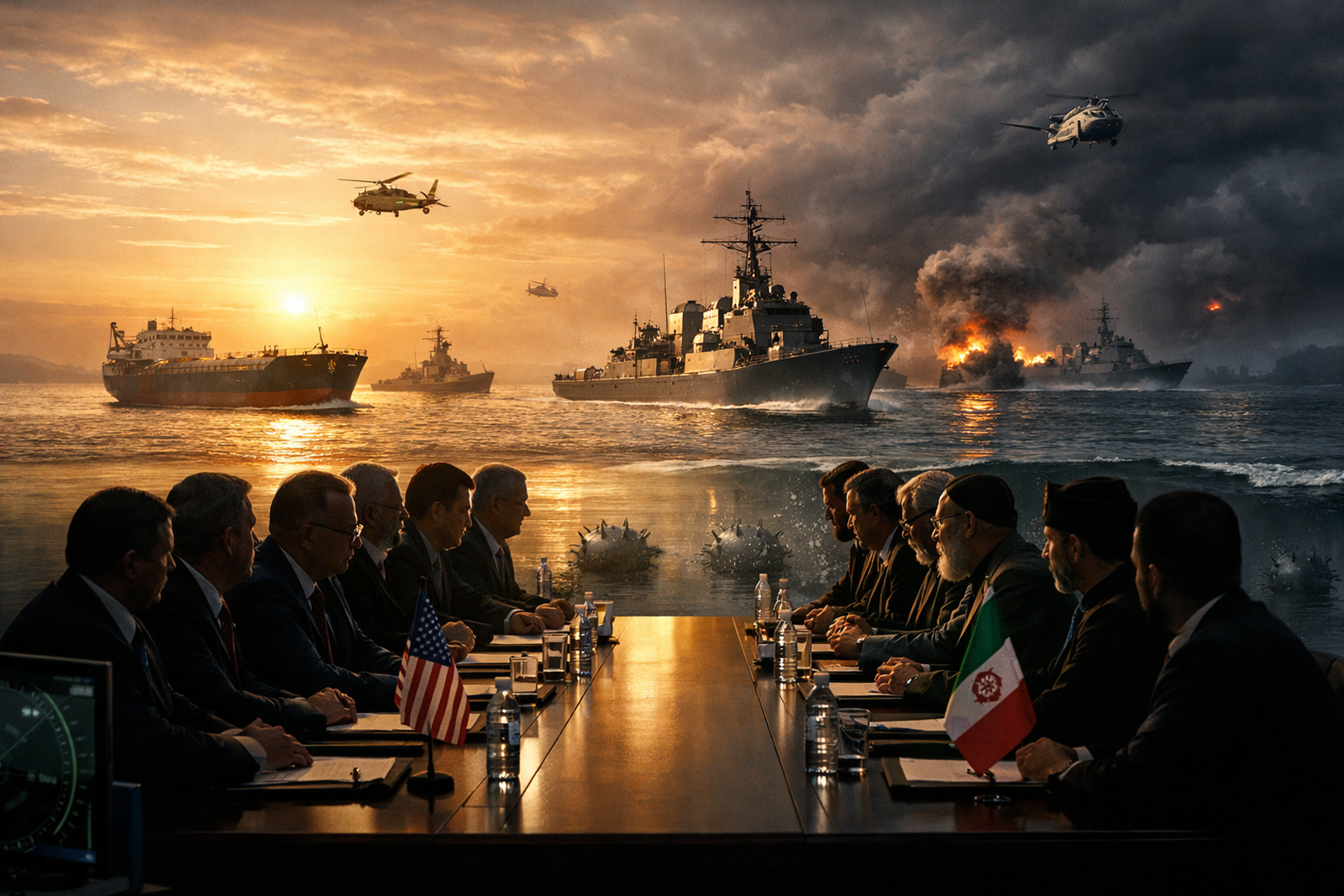
Iran Opens Strait of Hormuz to India, Among Five Nations Granted Passage
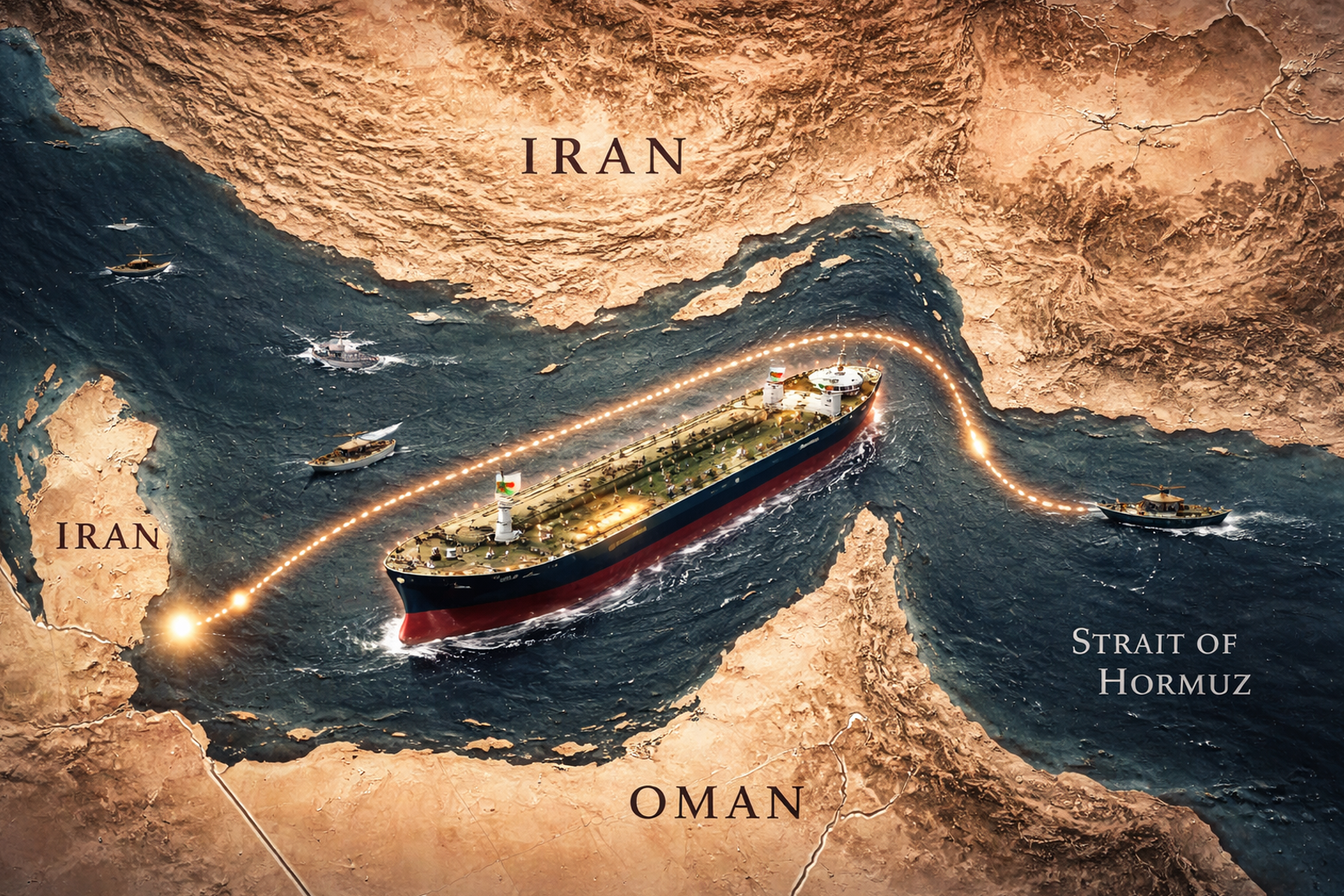
Iran Grants India Access to Strait of Hormuz Amid Rising Tensions
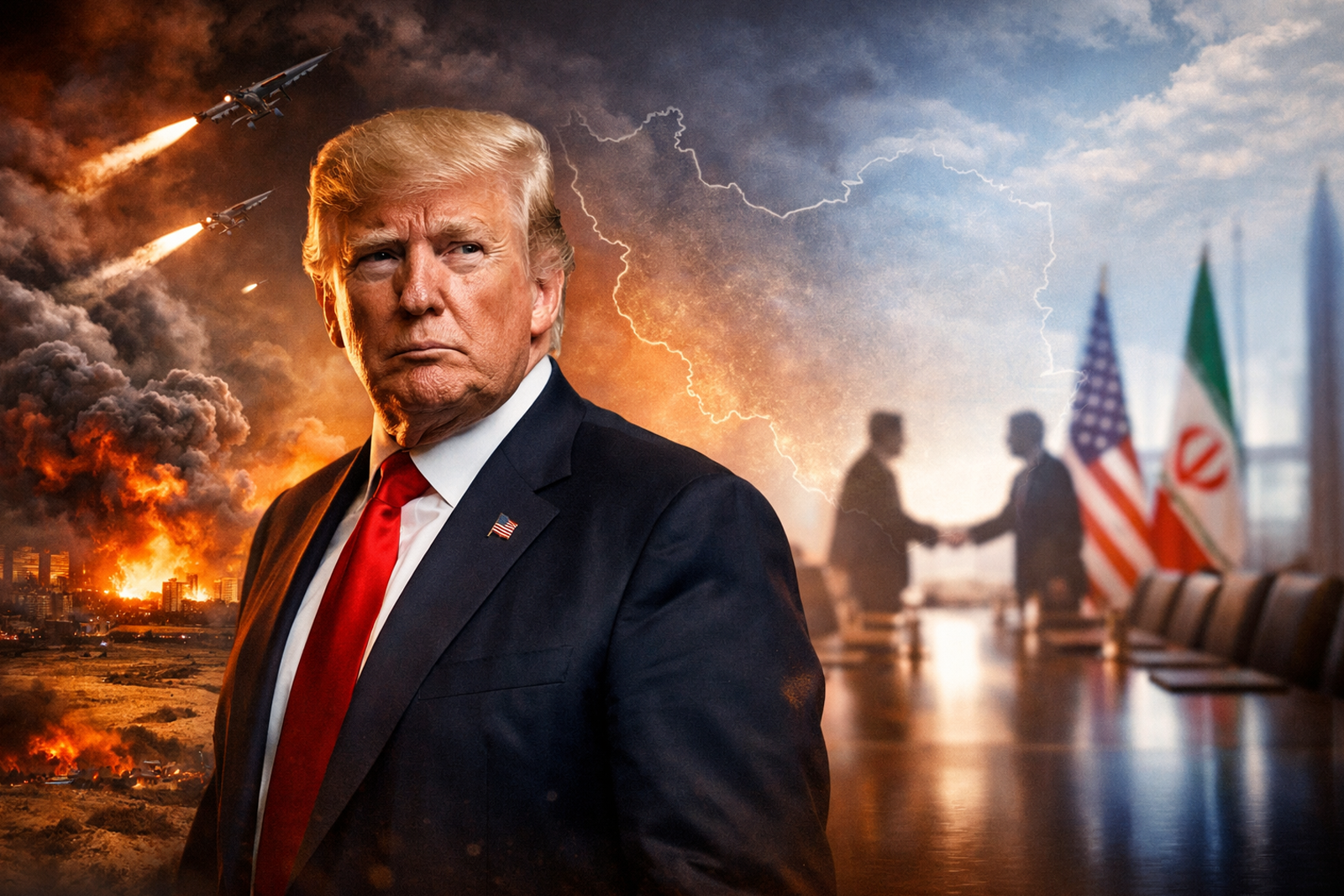
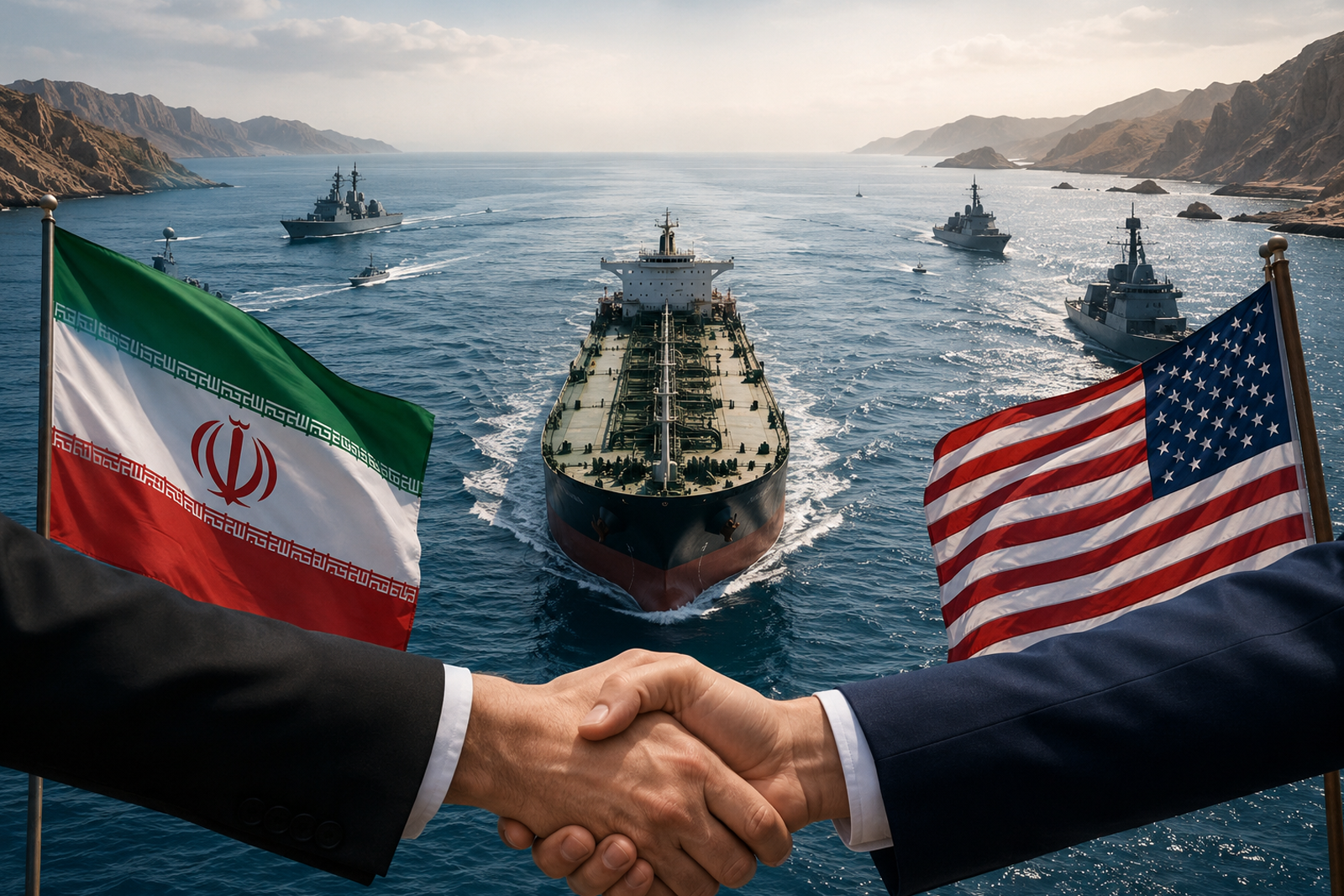
In a significant geopolitical development, Iran has decided to allow India and four other nations to pass through the strategically vital Strait of Hormuz. This move comes at a time when tensions in the Middle East have raised concerns over global oil supply routes and maritime security. The decision is being viewed as a calculated step by Tehran to maintain stability while asserting control over one of the world’s most crucial shipping corridors.
The Strait of Hormuz plays a central role in global energy trade, with a large percentage of the world’s oil shipments passing through its narrow waters. Any disruption in this route can lead to sharp fluctuations in oil prices and impact economies worldwide. By granting selective access, Iran appears to be balancing its strategic interests with the need to avoid a full-scale economic fallout.
For India, the development brings a sense of relief, as the country relies heavily on energy imports that transit through this route. Continued access ensures smoother trade operations and helps prevent sudden spikes in fuel costs. It also reflects the ongoing diplomatic engagement between New Delhi and Tehran, despite the complex international scenario.
Analysts suggest that Iran’s decision may be aimed at strengthening ties with key nations while sending a broader message to the global community about its influence in the region. However, the situation remains sensitive, and future developments will depend on how geopolitical dynamics evolve.
Overall, this move could provide temporary stability in global energy markets, but uncertainties in the region continue to demand close international attention.
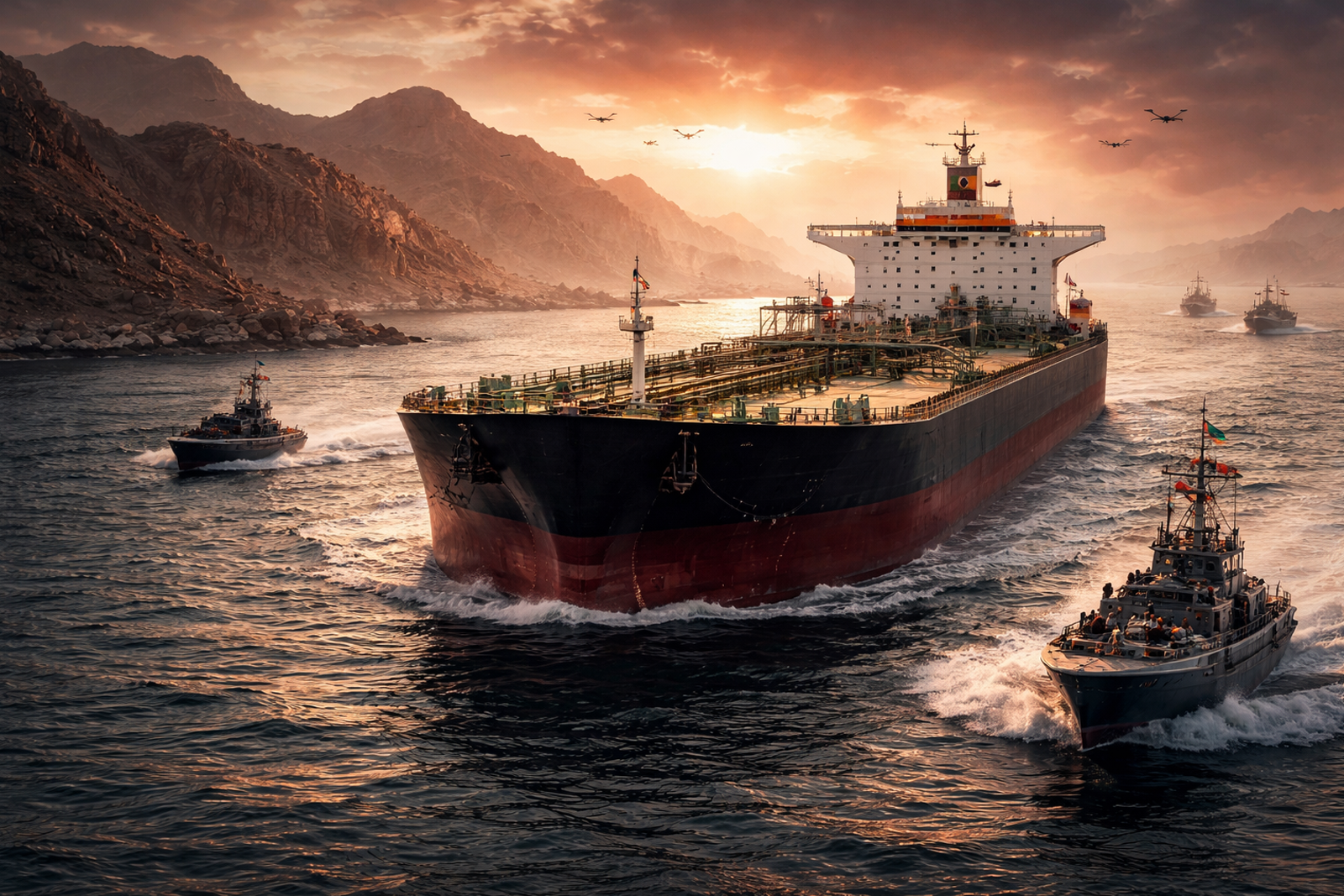
Iran Opens Strait of Hormuz to India and Select Nations: A Strategic Shift in Regional Dynamics
In a notable geopolitical development, Iran has granted controlled access through the Strait of Hormuz to India and four other countries. The decision comes amid heightened tensions in the Middle East and growing concerns over disruptions to global energy supply chains. As one of the most critical maritime routes in the world, the Strait of Hormuz carries a substantial portion of global oil exports, making any policy shift around it highly consequential.
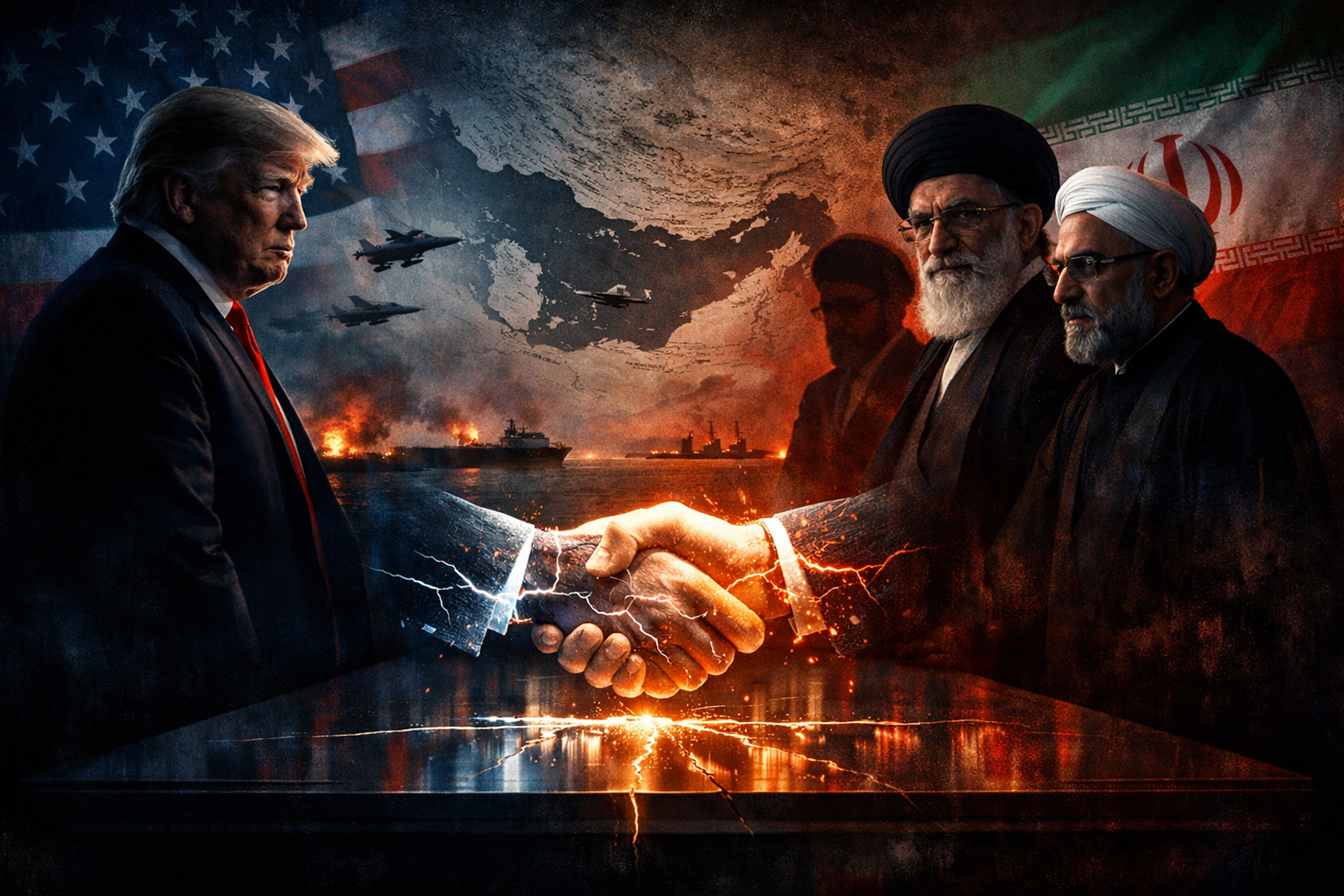
This move by Iran is being interpreted as both a diplomatic signal and a strategic maneuver aimed at balancing regional pressure while maintaining economic stability. By selectively opening the route, Tehran appears to be safeguarding its interests without escalating tensions further.
Key Highlights of the Development
-
Selective Access Granted: Iran has allowed India and four other nations to navigate through the Strait, ensuring limited but controlled maritime movement.
-
Strategic Timing: The decision comes during a period of geopolitical uncertainty, signaling a possible attempt to reduce economic pressure.
-
Energy Security Boost: Countries dependent on oil imports, especially India, stand to benefit from uninterrupted supply routes.
-
Global Attention: The move has drawn reactions from major global powers monitoring stability in the region.
Importance of the Strait of Hormuz
The Strait of Hormuz is often described as the lifeline of global oil transportation. Situated between Iran and Oman, this narrow passage connects the Persian Gulf to the Arabian Sea. A significant percentage of the world’s crude oil shipments pass through this route daily.
Any disruption in this channel can lead to immediate spikes in global oil prices, affecting everything from transportation costs to inflation rates worldwide. By allowing passage to selected countries, Iran has effectively prevented a complete blockade scenario, which could have triggered a global economic ripple effect.
Impact on India’s Energy and Trade
For India, access to the Strait is crucial. As one of the world’s largest energy importers, India relies heavily on oil shipments from the Middle East. The decision by Iran ensures continuity in supply chains and reduces the risk of sudden shortages.
This development also highlights the importance of India’s diplomatic balance. Maintaining relations with multiple global players while securing national interests has been a key aspect of its foreign policy. The access granted reflects a level of mutual understanding between New Delhi and Tehran, even in a complex international environment.

Iran’s Strategic Messaging
Iran’s move is not just about trade—it also carries strong geopolitical messaging. By controlling access to such a critical route, Iran is reinforcing its strategic importance in the region. At the same time, selective permission indicates that Tehran is willing to cooperate under certain conditions.
This approach allows Iran to:
-
Demonstrate control over a vital global chokepoint
-
Build or maintain strategic partnerships
-
Avoid complete isolation amid international pressure
-
Keep economic channels partially active
Global Economic Implications
The global economy is closely tied to stable energy supplies. Any disruption in oil transport routes like the Strait of Hormuz can cause volatility in international markets. Iran’s decision to allow limited access helps calm immediate fears of a supply crisis.
Oil-importing countries benefit from this stability, while global markets react positively to signs of de-escalation. However, the situation remains fragile, and any sudden change in policy could quickly reverse the stability.
Regional Security Concerns
Despite the positive aspects of this development, security concerns remain high in the region. The Middle East continues to experience political and military tensions, and maritime routes are often at the center of these conflicts.
International observers are closely monitoring:
-
Naval activity in and around the Strait
-
Diplomatic engagements between regional powers
-
Potential escalation scenarios
-
The role of global alliances in maintaining stability
What Lies Ahead
While Iran’s decision provides short-term relief, long-term stability in the region is still uncertain. The controlled access model suggests that future permissions may depend on evolving political and strategic factors.
For India and other nations granted passage, the focus will remain on ensuring uninterrupted trade while navigating the complex geopolitical landscape. Meanwhile, global stakeholders will continue to watch how Iran balances its regional influence with international expectations.
Conclusion
The opening of the Strait of Hormuz to India and select nations marks a critical moment in ongoing geopolitical developments. It underscores the importance of diplomacy, strategic control, and economic interdependence in today’s interconnected world.
While the move helps ease immediate concerns over energy supply disruptions, it also highlights the fragile nature of global trade routes. As tensions persist, sustained dialogue and cooperation will be essential to ensure long-term stability in one of the world’s most sensitive regions.

Soojin DasJournalist
Soojin Das is a dedicated journalist with a strong focus on public affairs, governance, and grassroots reporting. With a passion for uncovering stories that matter, she brings clarity, accuracy, and depth to complex issues shaping communities across India. Her reporting spans politics, social development, education, and local civic concerns, giving readers a balanced and well-researched perspective.
Known for her sharp news sense and ethical approach to journalism, Anita combines on-ground reporting with data-driven analysis and compelling storytelling. She has covered major policy announcements, elections, disaster response efforts, and community-led initiatives, ensuring that audiences receive timely and trustworthy information.
Anita believes journalism plays a vital role in strengthening democracy and amplifying under-represented voices. Through interviews, investigative pieces, and human-interest stories, she aims to inform, engage, and empower readers.
When not in the field, she closely follows media innovation and digital storytelling trends, continually refining her craft to meet the evolving needs of modern newsrooms.