




Trump Claims Iran ‘Begging for Deal’, Calls Them ‘Lousy Fighters, Great Negotiators’
Trump Claims Iran ‘Begging for Deal’ Amid Rising Tensions
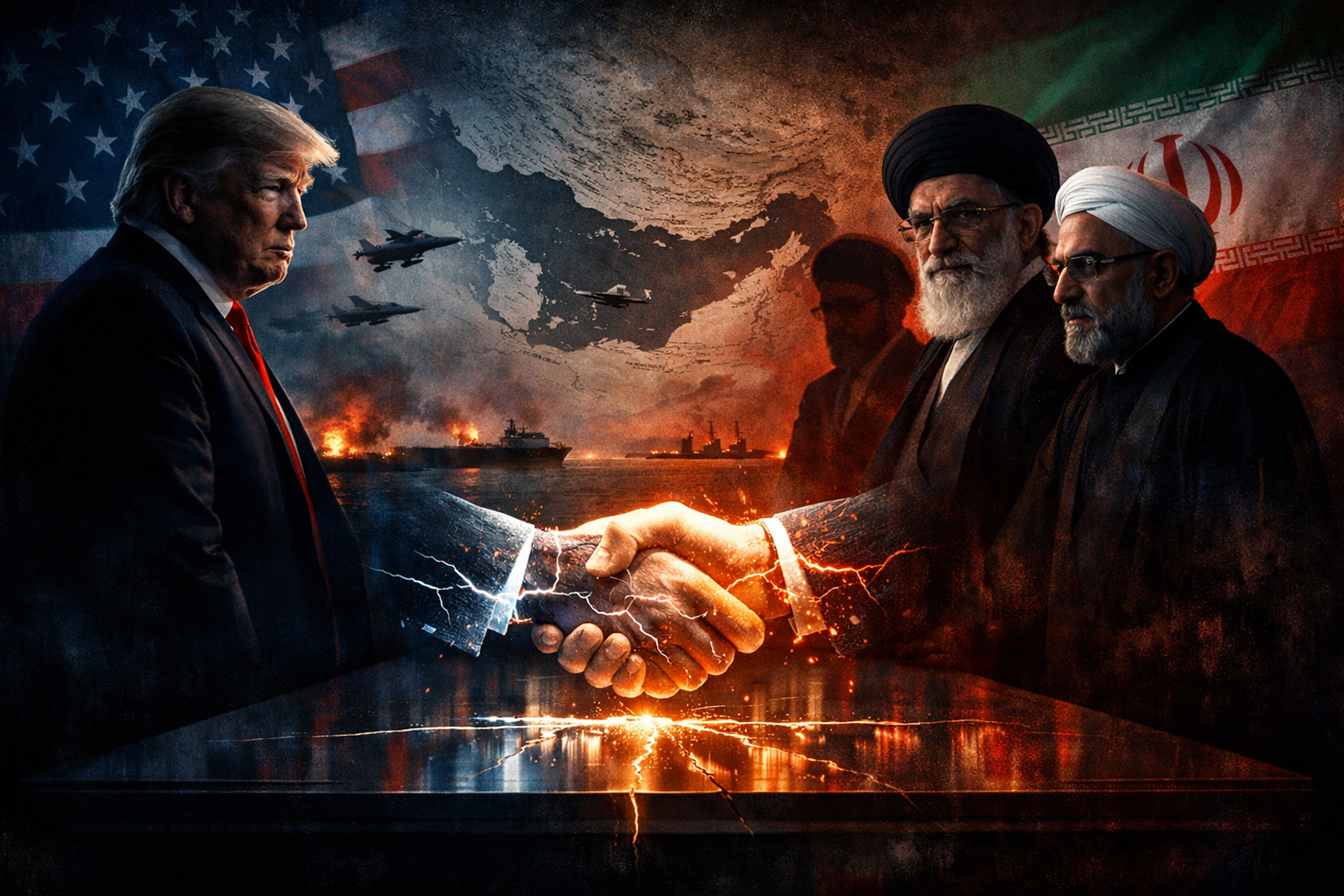
Former U.S. President Donald Trump has once again stirred global attention with his sharp remarks on Iran, claiming that the country is “begging to make a deal” with the United States. His statement comes at a time when tensions between Washington and Tehran remain high, fueled by ongoing geopolitical conflicts and stalled diplomatic efforts.
Trump, known for his blunt communication style, described Iran as “lousy fighters but great negotiators,” a comment that quickly drew mixed reactions from political analysts and international observers. While his supporters view the statement as a display of strength, critics argue that such rhetoric could further complicate already fragile diplomatic channels.
The relationship between the United States and Iran has been strained for years, particularly after the withdrawal from the nuclear agreement and the reimposition of sanctions. These measures have significantly impacted Iran’s economy, increasing pressure on its leadership to seek negotiations. However, Iranian officials have consistently denied any desperation, maintaining that they will not negotiate under coercion.
Experts believe that Trump’s comments are aimed at reinforcing his long-standing “maximum pressure” approach, which seeks to push Iran back to the negotiating table on terms favorable to the U.S. At the same time, there are concerns that escalating verbal attacks may heighten regional instability rather than promote dialogue.
As the situation unfolds, the international community continues to watch closely. Whether these statements will lead to renewed negotiations or deepen the divide remains uncertain, but the stakes for peace and stability in the Middle East are undeniably high.
Trump’s ‘Begging for Deal’ Remark on Iran Sparks Global Debate
Former U.S. President Donald Trump has reignited controversy on the global stage after claiming that Iran is “begging to make a deal” with the United States. His statement, which also labeled Iran as “lousy fighters but great negotiators,” has triggered widespread discussion among policymakers, analysts, and diplomats across the world.
The remark comes at a time when tensions between Washington and Tehran remain fragile, shaped by years of sanctions, military standoffs, and failed diplomatic attempts. While Trump’s comments reflect his signature hardline stance, they also highlight the ongoing complexities in U.S.–Iran relations.
Background of US–Iran Relations
The relationship between the United States and Iran has been marked by decades of mistrust and confrontation. The situation worsened after the U.S. withdrew from the nuclear agreement, officially known as the Joint Comprehensive Plan of Action (JCPOA). Following the withdrawal, heavy economic sanctions were reimposed on Iran, targeting its oil exports, banking system, and trade networks.
These sanctions significantly weakened Iran’s economy, leading to inflation, unemployment, and public discontent. Despite this pressure, Iranian leadership has consistently maintained that it will not enter negotiations under force or threats.
Trump’s Strategy and Political Messaging
Trump’s recent statement appears to align with his long-standing “maximum pressure” strategy. During his presidency, he emphasized the use of economic sanctions and diplomatic isolation to push Iran toward renegotiating terms more favorable to the United States.
Key elements of his approach include:
- Economic Pressure: Imposing strict sanctions to weaken Iran’s financial stability
- Diplomatic Isolation: Encouraging allies to limit engagement with Iran
- Public Messaging: Using strong rhetoric to project dominance and control
Supporters argue that this strategy forced Iran into a defensive position, increasing the likelihood of negotiations. Critics, however, believe that such aggressive tactics risk escalating tensions rather than resolving them.
Iran’s Response and Official Stand
Iranian officials have strongly rejected Trump’s claims, dismissing them as political exaggeration. Leaders in Tehran insist that the country is not “begging” for any deal and remains committed to protecting its sovereignty and national interests.
Iran’s stance can be summarized as follows:
- No Negotiation Under Pressure: Refusal to engage while sanctions remain in place
- Strategic Patience: Waiting for more favorable geopolitical conditions
- Regional Influence: Maintaining its role in Middle Eastern politics
This response reflects Iran’s broader strategy of resisting external pressure while keeping diplomatic options open under the right circumstances.
Global Reactions and Diplomatic Concerns
Trump’s remarks have drawn mixed reactions globally. Some international observers see the statement as a continuation of political rhetoric aimed at domestic audiences. Others worry that such language could complicate already sensitive diplomatic efforts.
Countries in Europe, many of which supported the original nuclear deal, have repeatedly called for calm and constructive dialogue. They fear that escalating rhetoric may derail any chances of reviving negotiations.
Meanwhile, regional players in the Middle East are closely monitoring the situation, as any escalation between the U.S. and Iran could have direct security and economic consequences.
Impact on Middle East Stability
The Middle East remains one of the most volatile regions in the world, and tensions between the U.S. and Iran play a crucial role in shaping its stability.
Potential risks include:
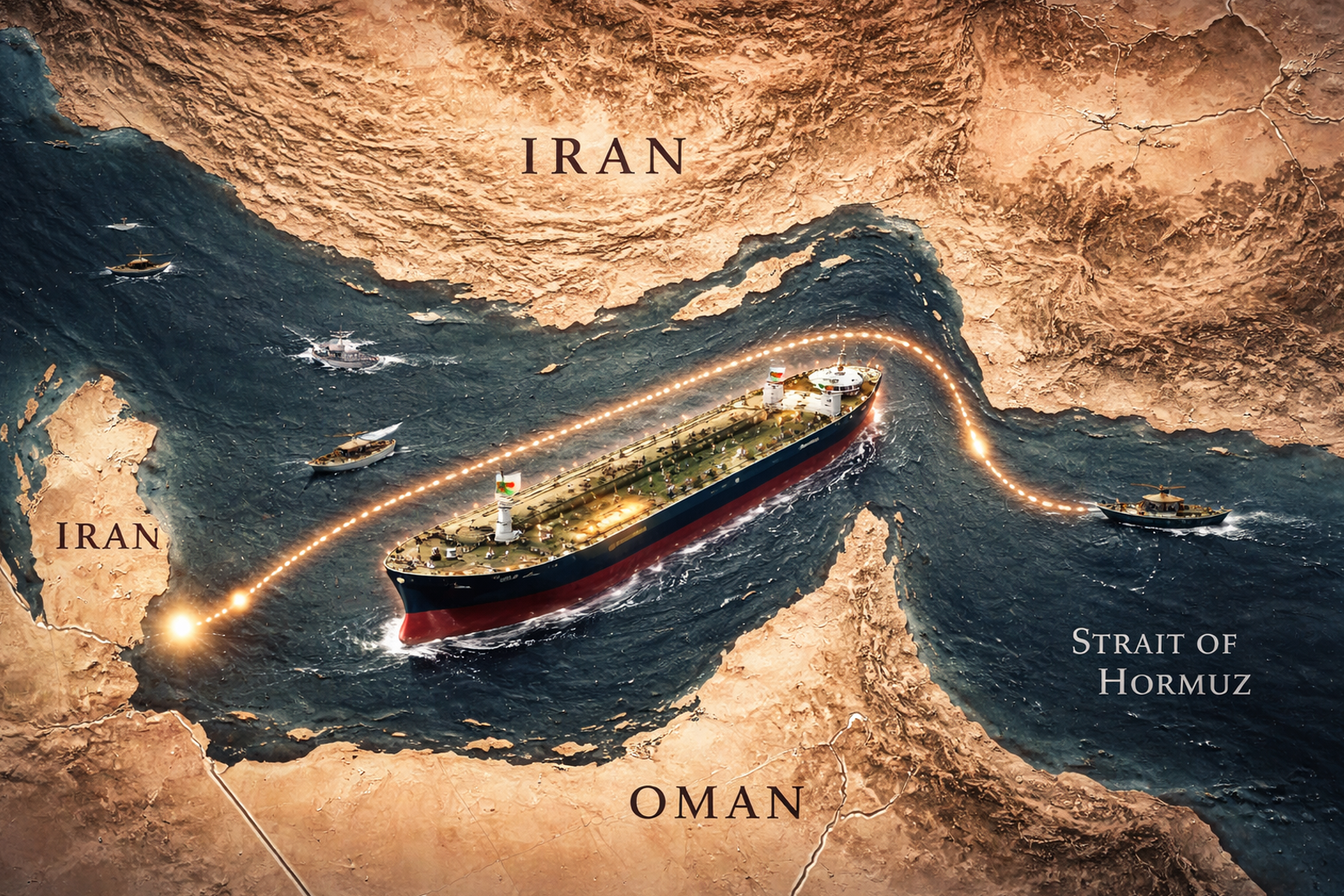
- Military Escalation:Increased chances of conflict in key areas like the Persian Gulf
- Energy Market Disruptions:Impact on global oil supply and prices
- Proxy Conflicts:Intensification of regional rivalries involving allied groups
Trump’s strong words, while not a policy decision in themselves, could influence the tone of future engagements and contribute to rising uncertainty.
The Role of Negotiations Moving Forward
Despite the heated rhetoric, diplomacy remains the only viable path toward long-term stability. Both the United States and Iran have, at different times, indicated a willingness to negotiate under certain conditions.
Key factors that could shape future talks:
- Sanctions Relief:A possible starting point for renewed discussions
- Nuclear Commitments:Ensuring compliance and transparency
- Regional Security Issues:Addressing broader concerns beyond nuclear policy
Experts believe that any meaningful progress will require mutual concessions, trust-building measures, and support from international stakeholders.
Political Implications in the United States
Trump’s statement also carries domestic political significance. As a prominent political figure, his comments are often aimed at reinforcing his image as a tough negotiator on foreign policy.
By portraying Iran as desperate for a deal, Trump seeks to validate his past policies and appeal to voters who favor a strong, uncompromising stance on national security.
However, critics argue that such statements oversimplify complex international issues and may undermine diplomatic efforts by escalating tensions unnecessarily.
Conclusion: Rhetoric vs Reality
The claim that Iran is “begging to make a deal” reflects more than just a political statement—it underscores the ongoing narrative battle surrounding U.S.–Iran relations. While Trump’s remarks resonate with his supporters, they also highlight the deep divisions in how global leaders approach diplomacy and conflict resolution.
As tensions persist, the gap between rhetoric and reality remains significant. Whether these comments will influence future negotiations or simply add to the noise of international politics is yet to be seen. What remains clear, however, is that the path to stability will require careful diplomacy, measured communication, and a willingness from all sides to move beyond confrontation.

About The Author
Shivani Nayak is an emerging journalist committed to delivering accurate, timely, and impactful stories for a fast-growing digital news platform. With a keen interest in politics, public policy, and community reporting, she focuses on issues that directly affect everyday life. Her work reflects a strong belief in responsible journalism, transparency, and fact-based reporting. She brings a modern, digital-first approach to news coverage, blending field reporting with multimedia storytelling to reach audiences across platforms. From breaking developments to in-depth explainers and human-interest features, Anita strives to present news in a clear, accessible manner while maintaining editorial integrity. Driven by curiosity and a deep sense of social responsibility, she actively engages with sources at the grassroots level, ensuring diverse voices are represented. She is particularly interested in governance, education reform, infrastructure development, and civic affairs. Through her reporting, Anita aims to build trust with readers and contribute to a culture of informed public dialogue. As part of a new portal, she looks forward to growing alongside the publication and helping shape its journalistic identity in the digital age.
Shivani Nayak | Journalist
You Might Also Like
-
Search Intensifies as Geopolitical Tensions Rise The urgent search for a missing U.S. airman has drawn international attention, as rescue teams...
-
Iran Claims Second U.S. Jet Downed as Gulf Tensions Escalate The already volatile situation in the Middle East has intensified after Iran&rsquo...

Suggested Video