




Iran-Israel Conflict: Pakistan FM Engages Egypt, Turkiye in Urgent Talks on West Asia Crisis
Pakistan Intensifies Diplomatic Efforts Amid Iran-Israel Conflict
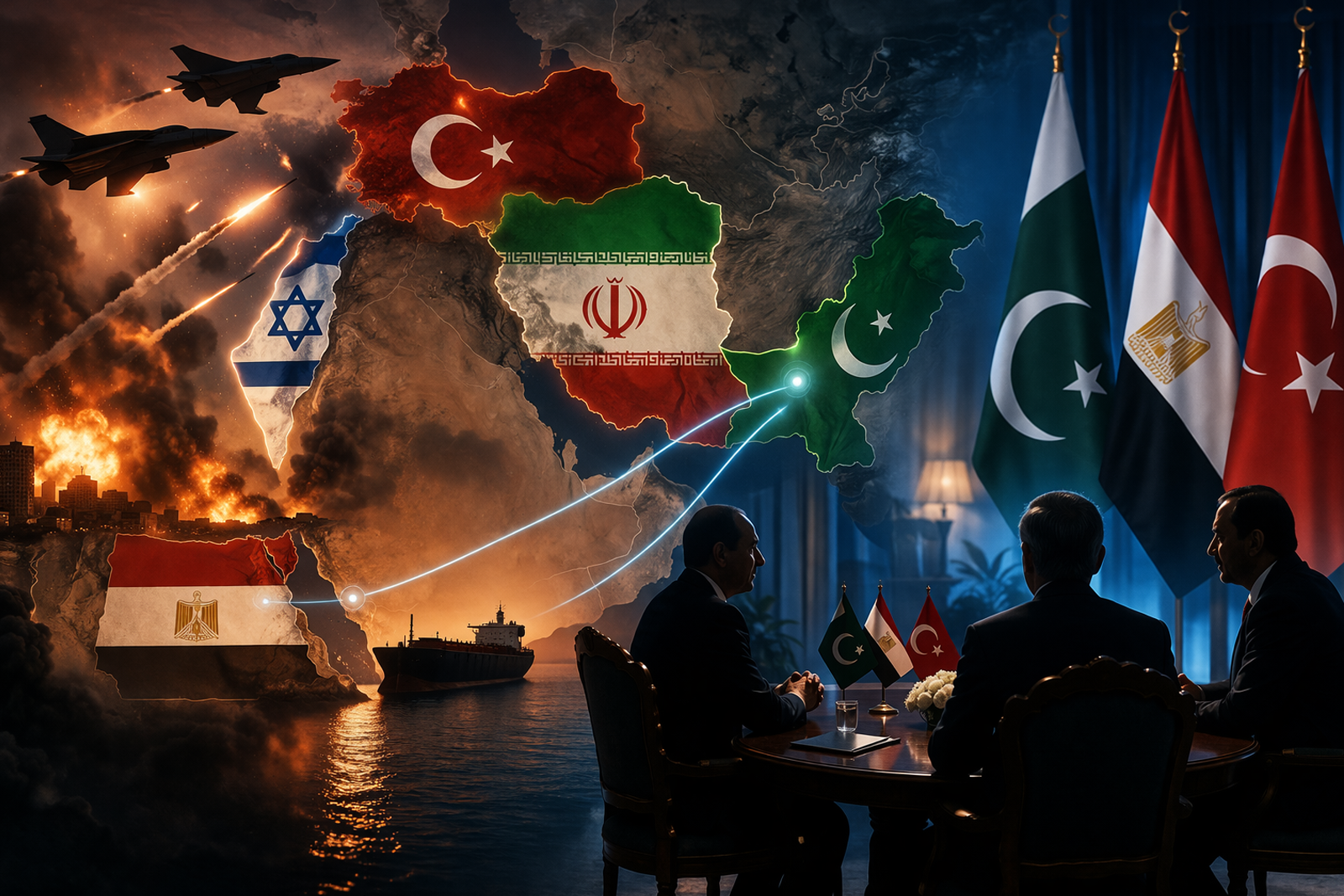
As tensions continue to rise between Iran and Israel, Pakistan has stepped up its diplomatic outreach to address the growing instability in West Asia. In a significant move, Pakistan’s Foreign Minister held high-level meetings with counterparts from Egypt and Türkiye, focusing on de-escalation strategies and regional peace efforts.
The discussions come at a time when the Iran-Israel conflict is creating widespread concern across the Middle East and beyond. Countries in the region are increasingly worried about the potential spillover effects, including disruptions to trade routes, energy supplies, and overall geopolitical stability. Pakistan, maintaining its longstanding diplomatic stance of promoting dialogue, is actively working to bring key regional players together.
During the talks, all sides emphasized the importance of restraint and the need to avoid further escalation. Egypt and Türkiye, both influential voices in the region, echoed Pakistan’s call for peaceful resolution through diplomatic channels. The leaders also explored possible frameworks for coordinated international efforts aimed at reducing tensions and ensuring stability.
Pakistan’s engagement highlights its intent to play a constructive role in regional affairs. By collaborating with major stakeholders, the country aims to support initiatives that prioritize peace, security, and cooperation. Analysts view these discussions as part of a broader diplomatic push to prevent the conflict from expanding into a larger regional crisis.
As the situation continues to evolve, such diplomatic engagements are expected to play a crucial role in shaping the response of regional and global powers. The coming days will be critical in determining whether these efforts can contribute to easing tensions and restoring stability in West Asia.
Pakistan Steps Up Regional Diplomacy as Iran-Israel Conflict Raises Global Concerns
The escalating conflict between Iran and Israel has triggered widespread geopolitical anxiety, prompting nations across the region to intensify diplomatic engagement. In a proactive move, Pakistan has taken the initiative to coordinate with key regional players, holding high-level discussions with Egypt and Türkiye. The aim is clear: to prevent further escalation and encourage a pathway toward stability in West Asia.
Rising Tensions in West Asia
The Iran-Israel conflict has rapidly evolved into one of the most critical geopolitical flashpoints in recent times. What began as targeted confrontations has now expanded into a broader crisis, raising fears of a prolonged regional conflict. The situation has not only affected the immediate region but also carries global implications, particularly in terms of energy security and international trade routes.
Countries across West Asia are on high alert as the possibility of the conflict spreading looms large. Strategic waterways, including vital oil transit routes, are at risk, which could disrupt global supply chains and impact economies worldwide.
Pakistan’s Strategic Diplomatic Outreach
Recognizing the urgency of the situation, Pakistan has positioned itself as an active diplomatic player. The recent meetings between Pakistan’s Foreign Minister and counterparts from Egypt and Türkiye reflect a coordinated effort to build consensus among influential regional nations.
Key objectives of Pakistan’s diplomatic outreach include:
- Promoting dialogue over confrontation
- Encouraging restraint from all parties involved
- Strengthening regional cooperation to manage the crisis
- Exploring peaceful conflict resolution mechanisms
Pakistan’s approach highlights its commitment to maintaining balance and stability, rather than aligning with any single bloc. This neutral yet active stance enhances its credibility as a mediator.
Role of Egypt and Türkiye in De-escalation
Both Egypt and Türkiye hold significant influence in the region and have historically played important roles in diplomatic negotiations.
Why their involvement matters:
- Egypt has longstanding ties with multiple Middle Eastern nations and has often acted as a mediator in regional conflicts.
- Türkiye serves as a bridge between Asia and Europe, making it a key strategic and political player in international diplomacy.
During the discussions, all three countries reportedly emphasized the need for immediate de-escalation and a return to diplomatic channels. Their collective voice adds weight to calls for peace and stability.
Focus on Regional Stability and Security
The ongoing conflict has raised serious concerns about regional security. Any prolonged escalation could lead to:
- Increased military confrontations
- Displacement of populations
- Economic instability across neighboring countries
- Heightened risk of involvement by global powers
Pakistan, Egypt, and Türkiye are therefore focusing not just on ending the immediate conflict but also on preventing long-term instability.
Global Economic and Energy Implications
One of the major concerns arising from the Iran-Israel conflict is its potential impact on global energy markets. West Asia is a crucial hub for oil production and export, and any disruption can lead to:
- Fluctuating oil prices
- Increased inflation globally
- Supply chain disruptions
By engaging in diplomatic talks, Pakistan and its partners are also indirectly working to safeguard global economic stability.
Call for International Cooperation
The discussions between Pakistan, Egypt, and Türkiye also highlighted the importance of broader international involvement. While regional players can initiate dialogue, lasting peace often requires support from global institutions and major powers.
Key points emphasized include:
- Strengthening multilateral diplomatic efforts
- Encouraging involvement from international organizations
- Supporting humanitarian initiatives in affected areas
This collective approach aims to ensure that peace efforts are sustainable and inclusive.
Pakistan’s Emerging Role in Global Diplomacy
Pakistan’s recent actions signal its intent to play a more active role on the global stage. By engaging with key nations during a crisis, it is positioning itself as a responsible and proactive contributor to international peace efforts.
Significance of Pakistan’s role:
- Enhances its diplomatic credibility
- Strengthens ties with influential regional countries
- Demonstrates commitment to global peace and stability
Analysts believe such initiatives could help Pakistan expand its influence beyond South Asia and into broader international affairs.
Challenges Ahead
Despite these diplomatic efforts, several challenges remain:
- Deep-rooted tensions between Iran and Israel
- Risk of sudden military escalation
- Complex alliances and geopolitical interests
Diplomatic talks, while essential, may take time to yield tangible results. Continuous engagement and sustained efforts will be necessary to achieve meaningful progress.
Conclusion
As the Iran-Israel conflict continues to unfold, Pakistan’s engagement with Egypt and Türkiye represents a significant step toward promoting peace and stability in West Asia. Through dialogue, cooperation, and strategic diplomacy, these nations are محاولة to prevent further escalation and encourage a peaceful resolution.
While uncertainties remain, such coordinated efforts offer a glimmer of hope in an otherwise volatile situation. The coming weeks will be crucial in determining whether diplomacy can succeed in easing tensions and restoring balance in the region.

About The Author
Shivani Nayak is an emerging journalist committed to delivering accurate, timely, and impactful stories for a fast-growing digital news platform. With a keen interest in politics, public policy, and community reporting, she focuses on issues that directly affect everyday life. Her work reflects a strong belief in responsible journalism, transparency, and fact-based reporting. She brings a modern, digital-first approach to news coverage, blending field reporting with multimedia storytelling to reach audiences across platforms. From breaking developments to in-depth explainers and human-interest features, Anita strives to present news in a clear, accessible manner while maintaining editorial integrity. Driven by curiosity and a deep sense of social responsibility, she actively engages with sources at the grassroots level, ensuring diverse voices are represented. She is particularly interested in governance, education reform, infrastructure development, and civic affairs. Through her reporting, Anita aims to build trust with readers and contribute to a culture of informed public dialogue. As part of a new portal, she looks forward to growing alongside the publication and helping shape its journalistic identity in the digital age.
Shivani Nayak | Journalist

You Might Also Like
-
Search Intensifies as Geopolitical Tensions Rise The urgent search for a missing U.S. airman has drawn international attention, as rescue teams...
-
Iran Claims Second U.S. Jet Downed as Gulf Tensions Escalate The already volatile situation in the Middle East has intensified after Iran&rsquo...

Suggested Video