





Iran-Israel War: IRGC Threatens U.S. Tech Giants After Targeted Killings of Leaders
Iran–Israel War Escalates as Iran Warns U.S. Tech Firms of Retaliation
The ongoing conflict between Iran and Israel has entered a more dangerous phase, with tensions now extending beyond traditional military targets. In a strong statement, the Islamic Revolutionary Guard Corps (IRGC) warned that major American technology companies could become potential targets if further attacks lead to the killing of its senior leaders.
A Shift Beyond the Battlefield
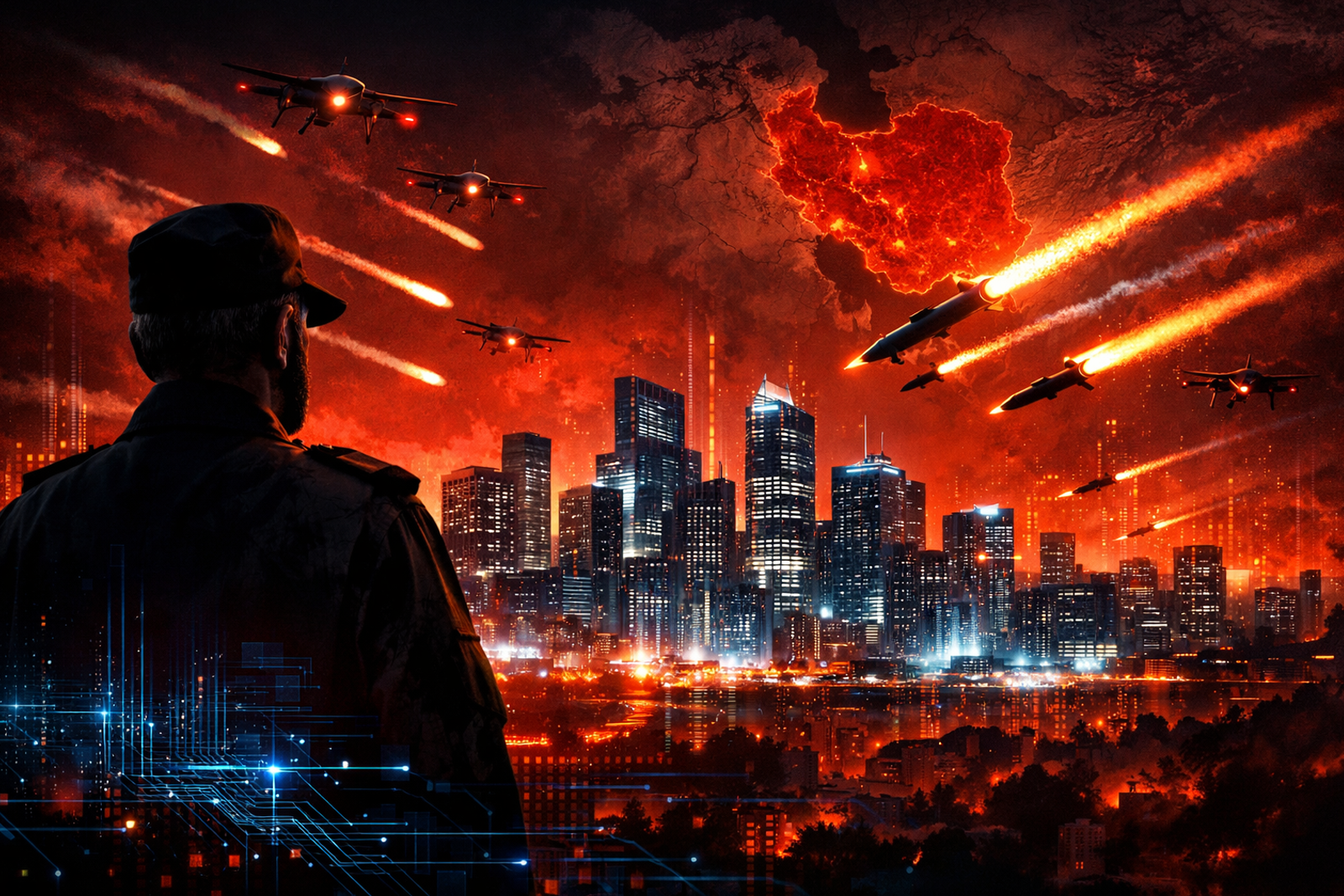
This warning signals a notable shift in strategy. Instead of limiting retaliation to direct military responses, Iran appears to be considering broader actions that could impact global economic and digital systems. Experts believe this could include cyberattacks or disruptions aimed at major corporations like Google, Apple, and Meta.
Rising Global Concerns
The threat has raised alarms worldwide, as any attack on U.S. tech firms could have far-reaching consequences. These companies form the backbone of global communication, commerce, and data infrastructure. A disruption could affect millions of users and businesses across multiple countries, intensifying the global impact of the conflict.
Geopolitical Implications
Analysts suggest that this development could draw the United States more directly into the situation. While the U.S. has already been involved diplomatically and strategically, threats to its corporate sector may increase pressure for a stronger response.
Uncertain Road Ahead
As the Iran–Israel conflict continues to evolve, the possibility of cyber warfare and economic targeting adds a new layer of uncertainty. The situation remains fluid, with the international community closely monitoring every move. Any further escalation could transform a regional conflict into a broader global crisis, affecting not just nations but industries and everyday digital life.
Global Impact and Economic Concerns
The implications of such threats go far beyond the Middle East. If major tech companies are targeted, the consequences could ripple across global markets and economies.
Possible global effects:
- Stock market volatility, especially in tech-heavy indices
- Disruptions to international trade and e-commerce
- Reduced consumer confidence in digital platforms
- Increased cybersecurity costs for businesses worldwide
Countries that rely heavily on digital services may face temporary slowdowns, highlighting how modern warfare can affect economies without physical destruction.
The Role of the United States
The involvement of theUnited Statescould deepen if its corporate sector becomes a direct target. While the U.S. has maintained strategic support for Israel, threats to American companies may force a recalibration of its response.
Potential U.S. actions could include:
- Strengthening cybersecurity defenses across industries
- Issuing warnings or sanctions against Iran
- Increasing military readiness in the region
- Collaborating with allies to counter cyber threats
Such developments could further internationalize the conflict, increasing tensions between major global powers.
Rising Tensions in the Middle East
The broader Middle East remains on edge as the conflict continues to evolve. Regional players are closely watching the situation, aware that any escalation could draw them into a wider confrontation.
Key regional concerns:
- Expansion of conflict through proxy groups
- Disruption of oil supply routes
- Increased military presence in strategic zones
- Risk of miscalculation leading to direct confrontation
The fragile balance in the region makes every new threat significant, particularly when it involves unconventional forms of warfare.
What Lies Ahead
The situation remains highly fluid, with no clear indication of how events will unfold. However, one thing is evident—the nature of conflict is changing.
Future scenarios may include:
- Increased cyberattacks targeting global infrastructure
- Diplomatic efforts to prevent further escalation
- Stronger international cooperation on cybersecurity
- Prolonged tension affecting global political and economic stability
The Iran–Israel conflict is no longer confined to geographic borders. It is evolving into a multidimensional crisis involving military, technological, and economic fronts.
Conclusion
The latest warning from Iran marks a critical turning point in the ongoing conflict with Israel. By potentially targeting U.S. technology firms, the crisis risks expanding into a global issue that affects not just governments, but also businesses and ordinary citizens.
As the world becomes increasingly dependent on digital systems, the line between warfare and everyday life continues to blur. The coming days will be crucial in determining whether tensions can be contained or whether the conflict will escalate into a broader global disruption.

About The Author
Shivani Nayak is an emerging journalist committed to delivering accurate, timely, and impactful stories for a fast-growing digital news platform. With a keen interest in politics, public policy, and community reporting, she focuses on issues that directly affect everyday life. Her work reflects a strong belief in responsible journalism, transparency, and fact-based reporting. She brings a modern, digital-first approach to news coverage, blending field reporting with multimedia storytelling to reach audiences across platforms. From breaking developments to in-depth explainers and human-interest features, Anita strives to present news in a clear, accessible manner while maintaining editorial integrity. Driven by curiosity and a deep sense of social responsibility, she actively engages with sources at the grassroots level, ensuring diverse voices are represented. She is particularly interested in governance, education reform, infrastructure development, and civic affairs. Through her reporting, Anita aims to build trust with readers and contribute to a culture of informed public dialogue. As part of a new portal, she looks forward to growing alongside the publication and helping shape its journalistic identity in the digital age.
Shivani Nayak | Journalist


You Might Also Like
-
Search Intensifies as Geopolitical Tensions Rise The urgent search for a missing U.S. airman has drawn international attention, as rescue teams...
-
Iran Claims Second U.S. Jet Downed as Gulf Tensions Escalate The already volatile situation in the Middle East has intensified after Iran&rsquo...

Suggested Video