





Tariff Cuts Bring Some Relief to Japan—Smaller Auto Firms Still Hurting
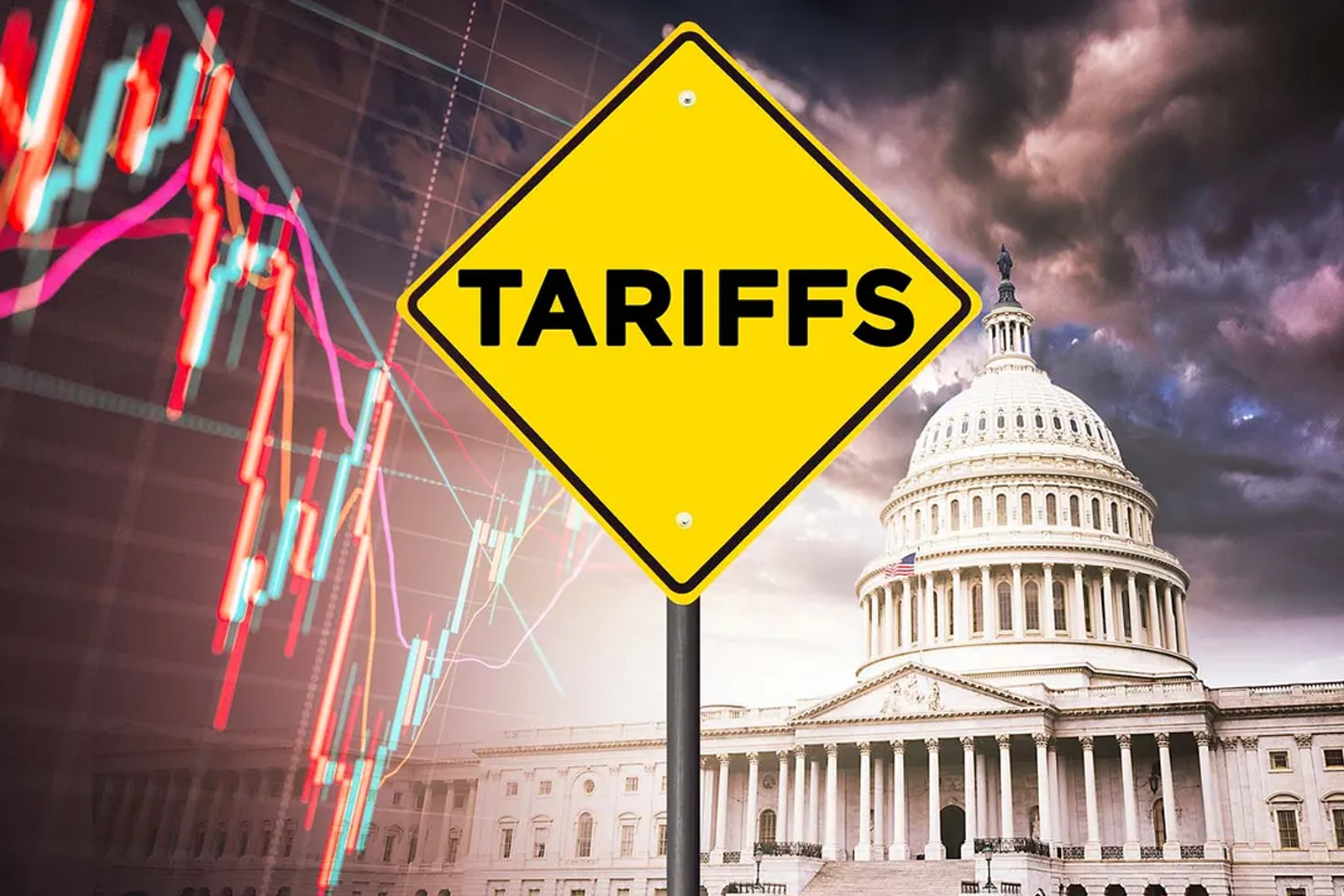
Japan’s auto industry is cautiously celebrating after the United States announced a major tariff rollback on vehicle imports. President Donald Trump signed an executive order this week reducing tariffs on Japanese cars from 27.5 % to 15 %, a move that instantly lifted pressure on the country’s biggest carmakers and was hailed as a step toward easing trade tensions between the two economies.
For the heavyweights of Japan’s auto sector, like Toyota and Honda, this decision provides much-needed stability. Both brands already maintain extensive production facilities in North America, which has shielded them from the worst of Washington’s tariff measures over the past two years. Industry experts note that without the rollback, Toyota alone was staring at potential profit losses of nearly $10 billion by the end of this fiscal year.
But while the tariff relief brings hope, the picture looks far less optimistic for Japan’s smaller automakers. Companies such as Mitsubishi, Mazda, and Subaru remain heavily dependent on exporting directly from Japan, with little to no local production in the U.S. For them, the reduced tariff still cuts into margins, leaving them with difficult choices—whether to raise prices for American consumers, scale back their range of vehicles in the U.S., or consider partnerships to share costs.
The financial strain is already showing. Japan’s automakers collectively saw a 30 % plunge in recurring profits during the second quarter of 2025, with Mitsubishi reporting one of its worst financial performances in years. Analysts warn that if the trend continues, some smaller brands may struggle to sustain their presence in the highly competitive American market.
The broader Japanese economy is also feeling the weight of trade uncertainty. While capital spending has risen, manufacturing output and export profits have dipped significantly. Economists say this mixed picture highlights just how dependent Japan remains on global demand—and how vulnerable smaller companies are when geopolitical tensions spill into trade.

Across the Pacific, however, not everyone is welcoming the deal. U.S. automakers including General Motors, Ford, and Stellantis have criticized the agreement, claiming it puts them at a disadvantage. They argue that while Japanese car imports will now face lower duties, American manufacturers are still grappling with high tariffs on raw materials like steel and auto parts. Labor unions have also expressed concern, warning that U.S. workers could face job losses if cheaper Japanese models begin to outcompete domestically made vehicles.
Despite these criticisms, both governments are presenting the deal as a milestone in U.S.–Japan relations. Alongside the tariff cuts, Japan has pledged to invest more than $550 billion in U.S. infrastructure projects and increase purchases of American agricultural goods—moves designed to balance the benefits of the agreement.
For now, the tariff rollback is a relief for Japan’s auto giants, but for the smaller players, the journey ahead remains uncertain. Survival may depend on bold restructuring, greater overseas investment, or even alliances with larger partners. What’s clear is that while tariffs may have eased, the competitive pressures in the U.S. car market are only getting tougher.

About The Author
Shivani Nayak is an emerging journalist committed to delivering accurate, timely, and impactful stories for a fast-growing digital news platform. With a keen interest in politics, public policy, and community reporting, she focuses on issues that directly affect everyday life. Her work reflects a strong belief in responsible journalism, transparency, and fact-based reporting. She brings a modern, digital-first approach to news coverage, blending field reporting with multimedia storytelling to reach audiences across platforms. From breaking developments to in-depth explainers and human-interest features, Anita strives to present news in a clear, accessible manner while maintaining editorial integrity. Driven by curiosity and a deep sense of social responsibility, she actively engages with sources at the grassroots level, ensuring diverse voices are represented. She is particularly interested in governance, education reform, infrastructure development, and civic affairs. Through her reporting, Anita aims to build trust with readers and contribute to a culture of informed public dialogue. As part of a new portal, she looks forward to growing alongside the publication and helping shape its journalistic identity in the digital age.
Shivani Nayak | Journalist


You Might Also Like
-
Iran Grants India Access to Strait of Hormuz Amid Rising Tensions In a significant geopolitical development, Iran has decided to allow India an...
-
U.S. Grants 30-Day Waiver for India to Continue Russian Oil Purchases Temporary Relief Amid Global Supply Concerns The United States has is...

Suggested Video