- Loading...
- Loading...



For decades, Indian IT offered a clear roadmap: engineering degree → campus placement → software developer → career growth → financial stability. Cities like Bengaluru, Hyderabad, Pune, and Gurugram became hubs of opportunity, attracting talent from across the country.
Financial Security: Competitive salaries and perks.
Global Exposure: Opportunities to work with multinational clients, travel abroad, or experience remote collaboration.
Social Prestige: “IT jobs” were markers of success for middle-class families.
Yet, despite these advantages, cracks are emerging in the model.
Several factors are prompting young professionals to rethink IT careers:
Monotony & Lack of Creative Expression: Coding and repetitive software maintenance can feel unfulfilling to those craving tangible, expressive outcomes.
Workplace Burnout: High-pressure deadlines, late-night client calls, and continuous performance targets contribute to stress and mental health challenges.
Career Plateauing: After 5–7 years, many feel stuck in hierarchical structures with limited creative autonomy.
Automation & AI: Routine programming and testing tasks are increasingly automated, reducing perceived long-term growth.
Value Misalignment: Many young workers seek work that aligns with personal values — sustainability, social impact, and self-expression — not just profit.
These push factors are juxtaposed with new opportunities in creative industries, making career shifts feasible.
Creative fields — design, content creation, marketing, filmmaking, animation, gaming, and UX/UI — offer multiple attractions:
Freedom & Autonomy: Professionals can manage projects, select clients, or start personal ventures.
Visible Impact: Output is tangible; a design, campaign, or video gains immediate recognition.
Monetization Opportunities: Social media, freelance marketplaces, and digital platforms allow independent income generation.
Portfolio-Based Progression: Unlike IT, advancement often depends on creativity, innovation, and audience engagement rather than rigid hierarchies.
Platforms like Behance, YouTube, Instagram, Dribbble, and LinkedIn have democratized exposure, enabling young creators to earn recognition and income simultaneously.
Ananya, 27, Bengaluru: Left a mid-sized IT firm to start an illustration studio. “I was earning well, but I felt invisible. Now, clients reach out to me because of my style, not my coding speed.”
Rohit, 25, Pune: Shifted from backend development to content marketing. “I never imagined a LinkedIn post could bring me more satisfaction than a year of debugging code.”
Shreya, 29, Gurugram: Former software engineer turned UX designer. “The IT job gave me skills, but creative careers give me identity.”
Such transitions are no longer isolated anecdotes—they reflect a growing trend among India’s millennial and Gen Z professionals.
The shift is reshaping workforce strategies:
Talent Retention Challenges: IT companies must rethink engagement, offering creative projects, rotational roles, and flexible work models.
Skill Gap Awareness: Creative careers demand visual literacy, storytelling, and digital design skills. Many IT graduates lack formal training, prompting the rise of short-term courses, bootcamps, and online certifications.
Cross-Pollination Opportunities: Some IT firms are integrating design thinking, UX/UI, and innovation labs to retain talent while expanding service offerings.
The talent exodus also creates opportunities for startups, design agencies, media firms, and digital marketing platforms to attract skilled professionals who value autonomy over paychecks.
Changing Perceptions: Families are gradually accepting creative professions as viable, especially if monetization is clear.
Shift in Urban Lifestyle: Cities like Bengaluru and Mumbai now host vibrant co-working spaces, creator hubs, and incubators, fostering entrepreneurship in creative sectors.
Mental Health & Job Satisfaction: Early evidence suggests creative professionals report higher job satisfaction and lower burnout rates than peers in traditional IT roles.
This reflects a broader shift in India’s middle-class value system: security remains important, but self-expression, purpose, and autonomy are increasingly prioritized.
Skill Development Initiatives: Government and private entities are offering bootcamps in digital marketing, graphic design, animation, and content production.
Entrepreneurship Support: Startups in the creative economy receive seed funding, co-working spaces, and mentorship from incubators and accelerators.
Higher Education Curricula: Colleges are integrating design thinking, AI for creative industries, and multimedia production to prepare students for non-IT careers.
Education and policy must evolve to reflect the changing aspirations of India’s young workforce, ensuring smooth transitions and sustainable career pathways.
While creative careers are appealing, they carry challenges:
Income Uncertainty: Freelancing and entrepreneurial paths are often unpredictable.
Skill Saturation: With growing popularity, competition increases for visibility, clients, and engagement.
Work-Life Blur: Autonomy can lead to self-exploitation, irregular schedules, and financial stress.
Credential Recognition: Unlike IT degrees or certifications, creative portfolios are often judged subjectively, creating barriers for some.
Navigating these risks requires mentorship, financial planning, and supportive ecosystems.
A key trend is hybrid careers: professionals combining IT skills with creative expertise.
Examples: UX engineers, game developers, AI-driven designers, product managers with creative skills.
Benefits: Retain analytical foundation while exploring self-expression, increasing marketability.
Many IT companies are actively fostering innovation labs, hackathons, and internal design projects to cater to this hybrid talent pool.
India’s young professionals are leaving IT for creative careers due to monotony, burnout, and desire for autonomy.
Creative fields offer tangible impact, freedom, and portfolio-based recognition.
Mega-shifts affect employers, requiring retention strategies, upskilling, and cross-functional roles.
Societal acceptance and supportive ecosystems are growing, with policy, education, and startups playing key roles.
Hybrid careers merging IT and creative skills represent the future of work in India, combining stability with creativity.

In today’s world of endless choices and digital noise, marketing is no longer just about promoting products — it’s about creating meaningful connections. Successful brands focus on building relationships rather than chasing transactions. Marketing that connects transforms audiences into loyal communities by earning their trust, understanding their needs, and delivering genuine value. When businesses prioritize people over promotions, marketing becomes more than strategy — it becomes a relationship built to last.
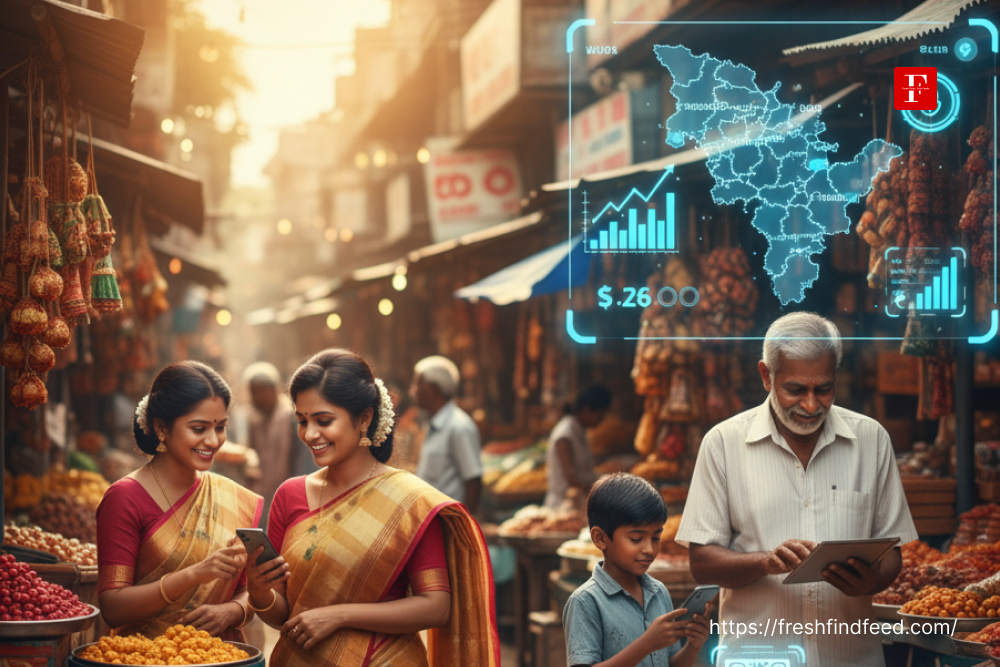
Odisha’s small businesses are entering a new era — where mobile apps, online payments, and e-commerce aren’t luxuries, but lifelines for growth and survival.

As India enters the second phase of its digital revolution, artificial intelligence and automation are not just transforming industries—they’re redefining what it means to work, earn, and adapt.

The conference brought together officials from ten central districts, including district collectors, tehsildars, registrars, and welfare officers, either virtually or in person.

We glorified sleepless nights, burnout, and exhaustion as signs of ambition. But when did working yourself to the edge become the definition of success?

Not everyone who thrives in tech writes code. Some design the very experiences that make technology human.






Leave Comments